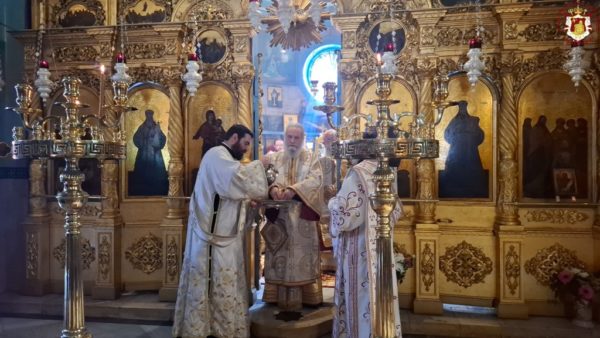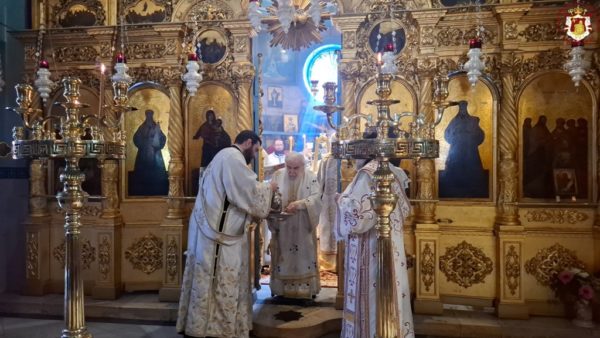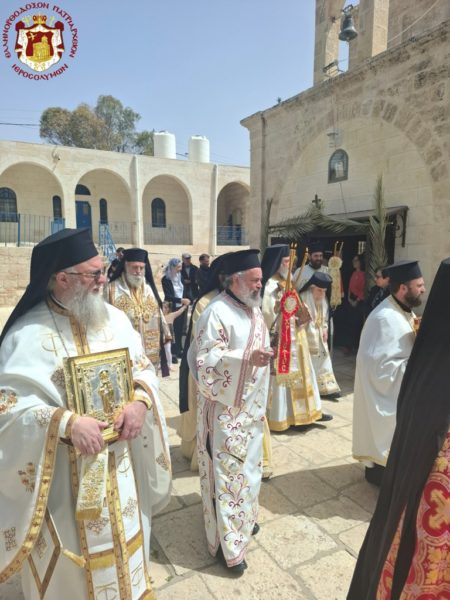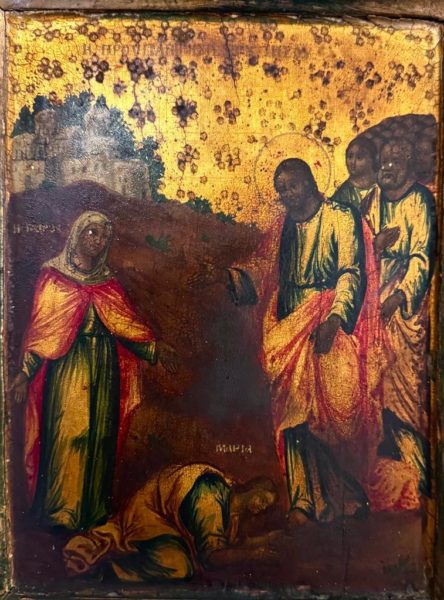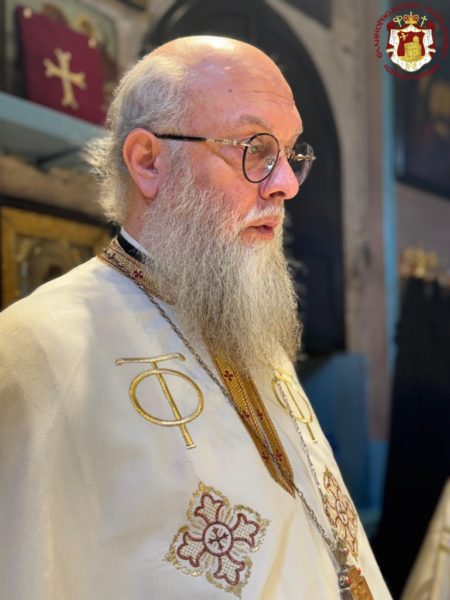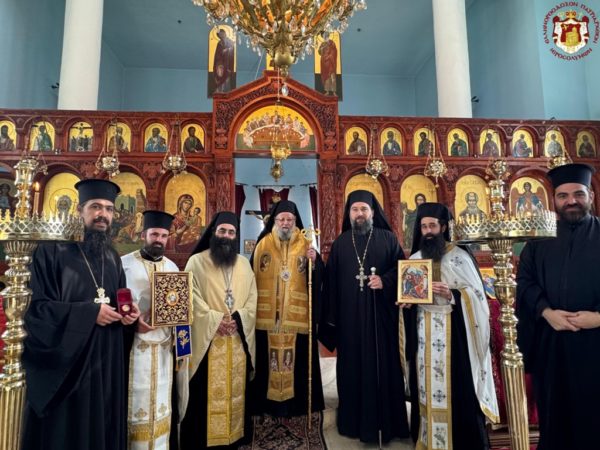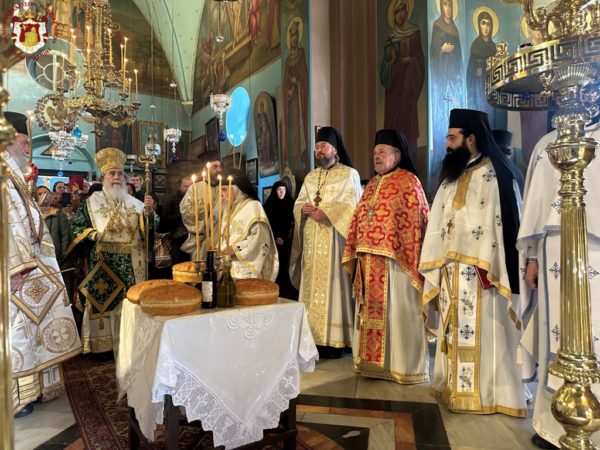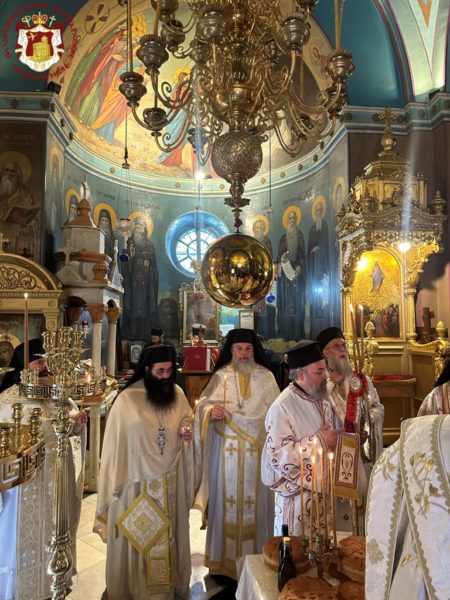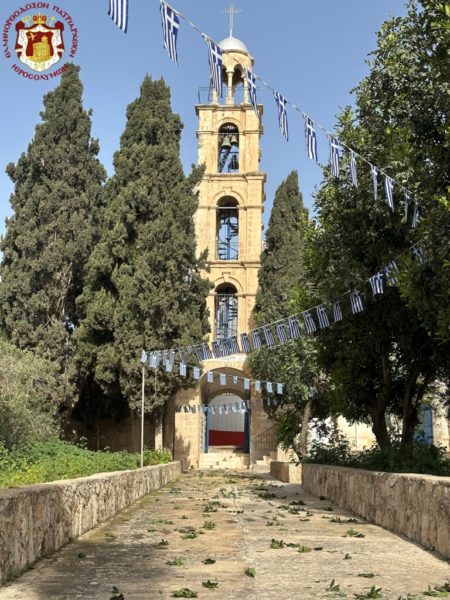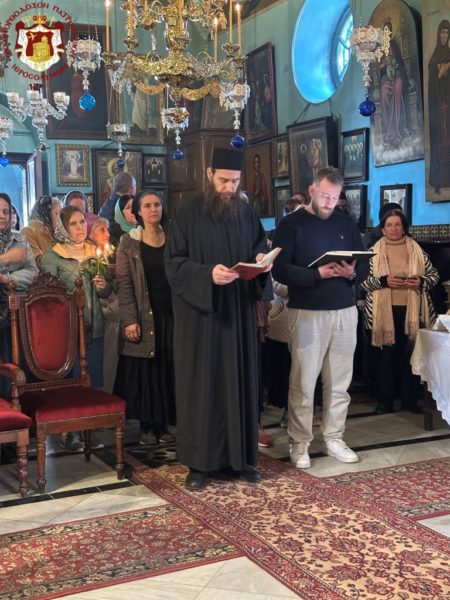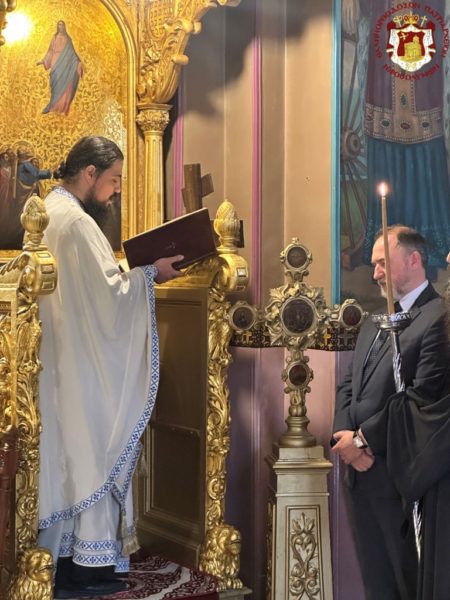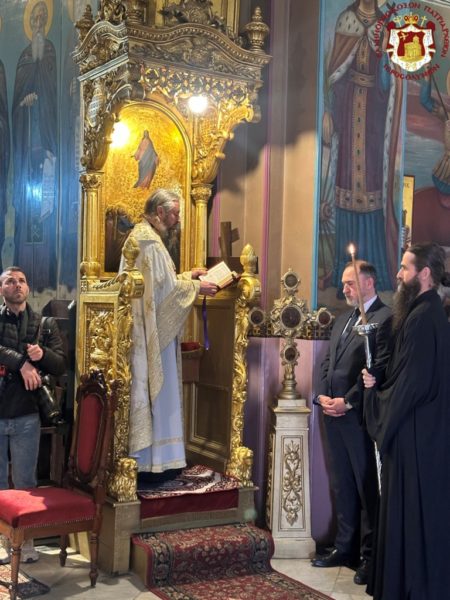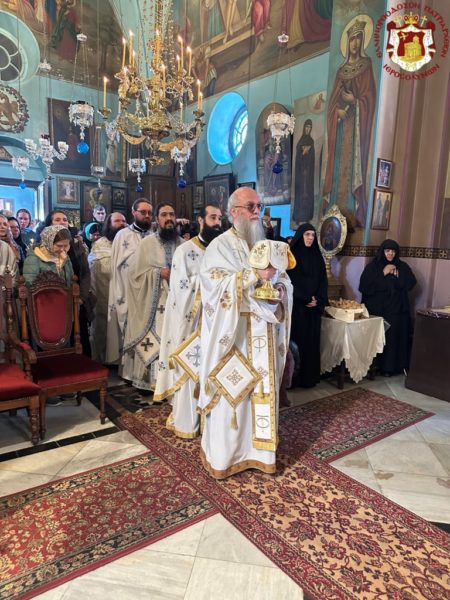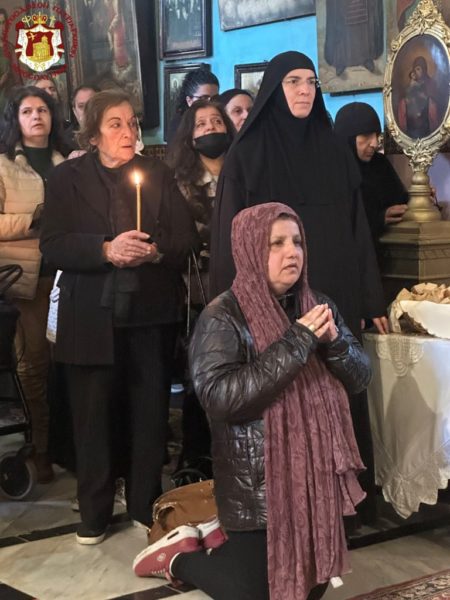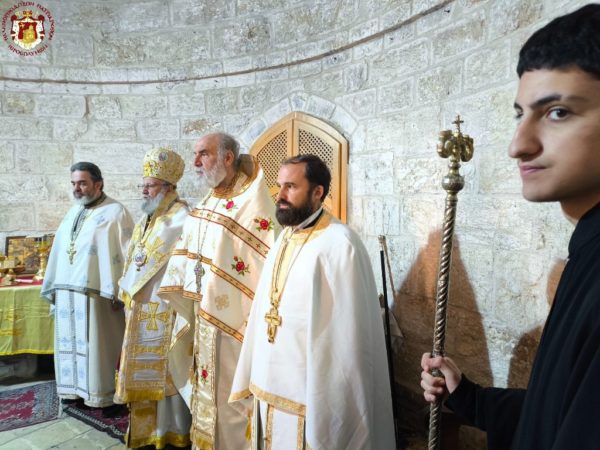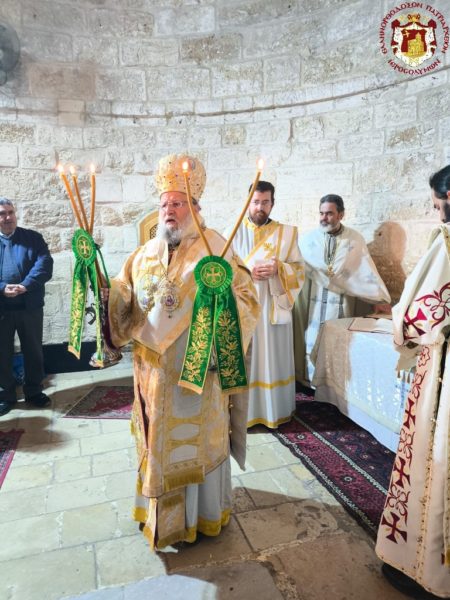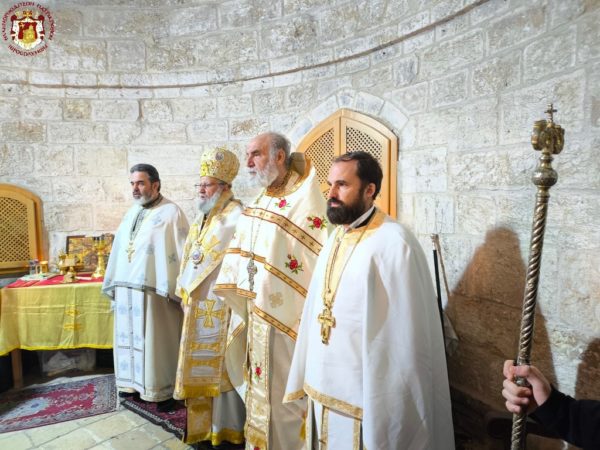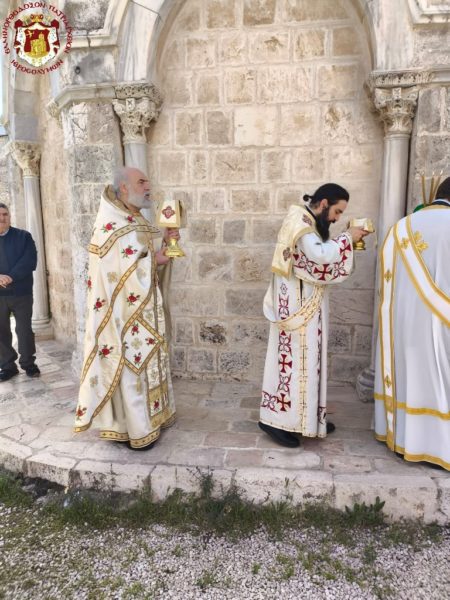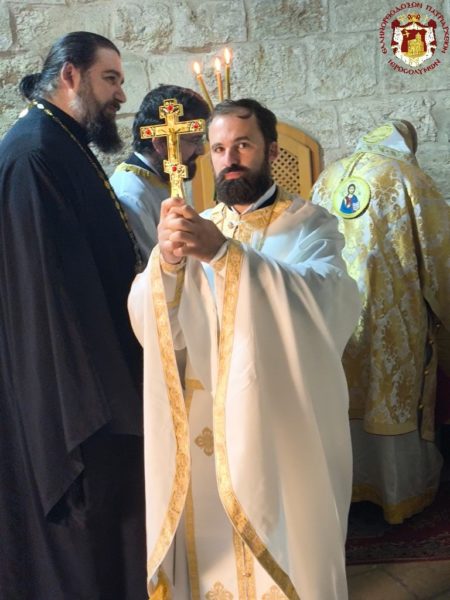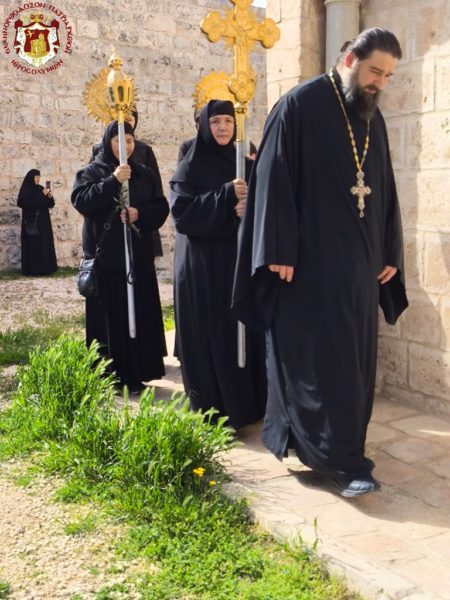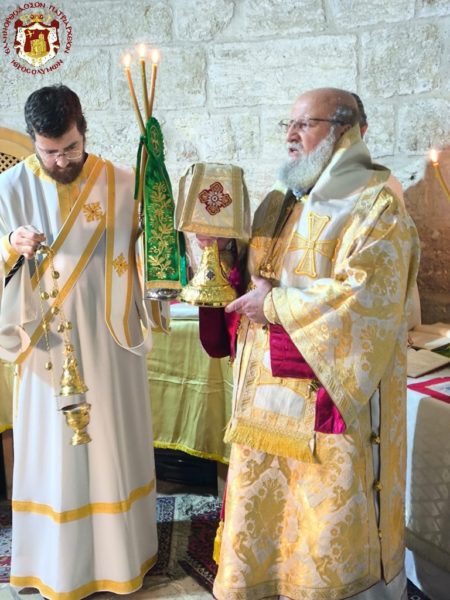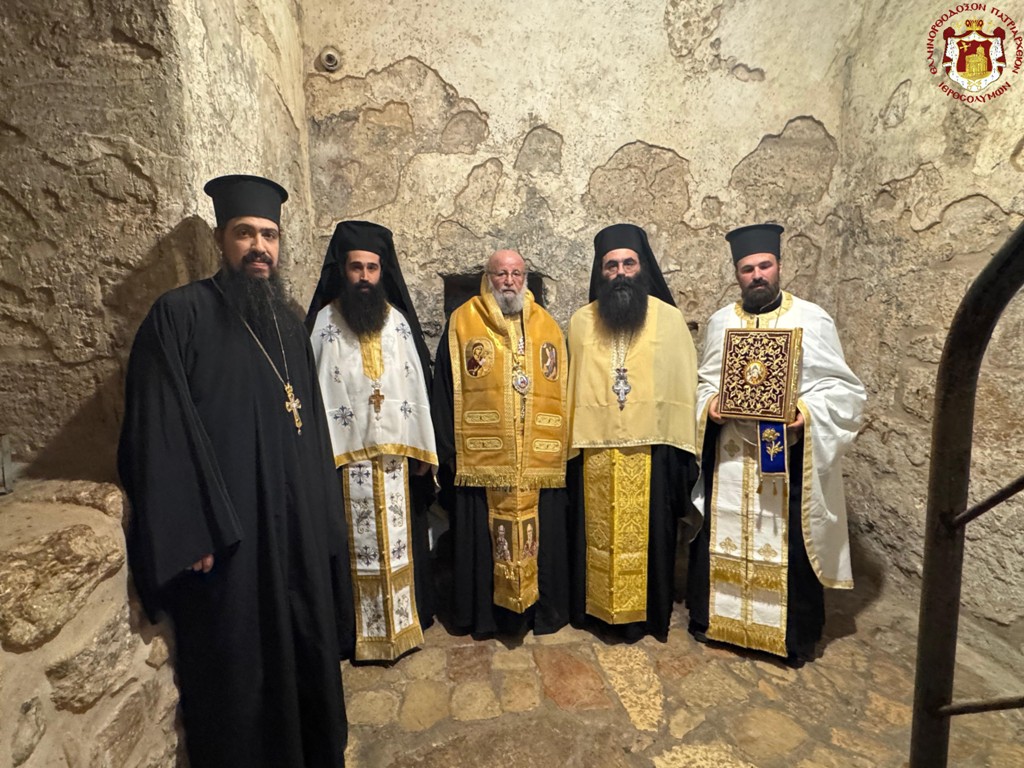
On Saturday, 22 March / 4 April 2026, Lazarus Saturday was celebrated by the Greek Orthodox Patriarchate of Jerusalem upon the Mount of Olives, in accordance with the Church Rites and the Status Quo of the Church of Jerusalem, by reason of the proximity of the Mount of Olives to Bethany. On this feast, the Church commemorates that our Lord Jesus Christ raised His friend Lazarus, who came from Bethany, being four days dead, thus confirming also our common Resurrection.
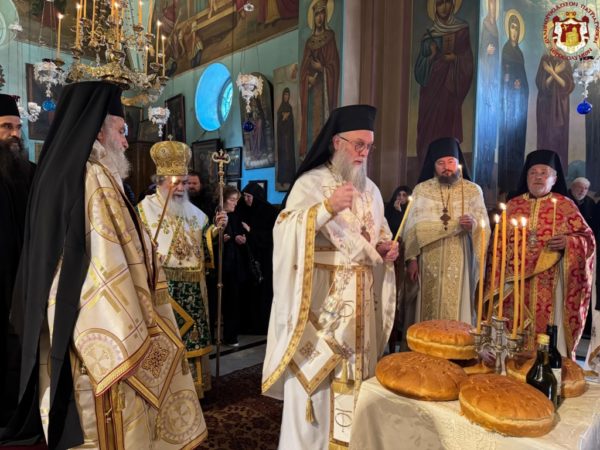
For this feast, Vespers was celebrated on the previous evening together with the Canon of the feast of Saint Lazarus, composed by Andrew of Crete of Jerusalem; and in the morning the Divine Liturgy was celebrated, presided over by His Eminence Archbishop Philoumenos of Pella, without procession to the Holy Monastery of the Men of Galilee, without participation of the faithful, and without the presence of Our Father, His Beatitude Theophilos III, on account of the security measures arising from the continuing war.
2. AT THE HOLY MONASTERY OF BETHANY
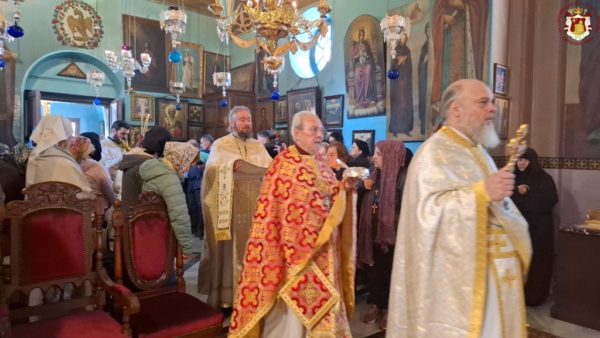
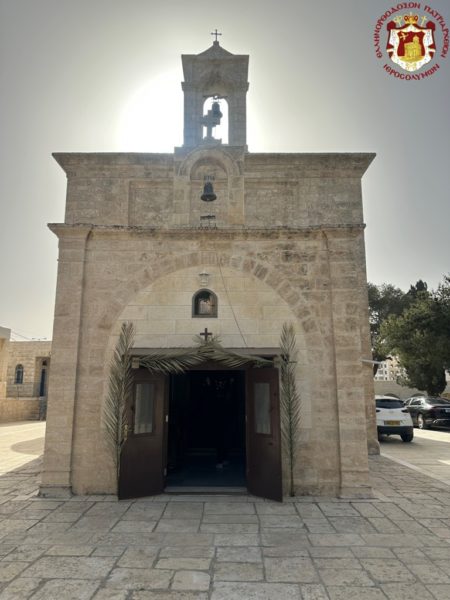
This feast was celebrated at the Holy Monastery of Bethany, the homeland of Lazarus, in remembrance of his raising by the Lord. Thus, the Church chants in its troparion, in the Apolytikion of the feast: “Confirming the common Resurrection before Thy Passion, Thou didst raise Lazarus from the dead, O Christ God…”
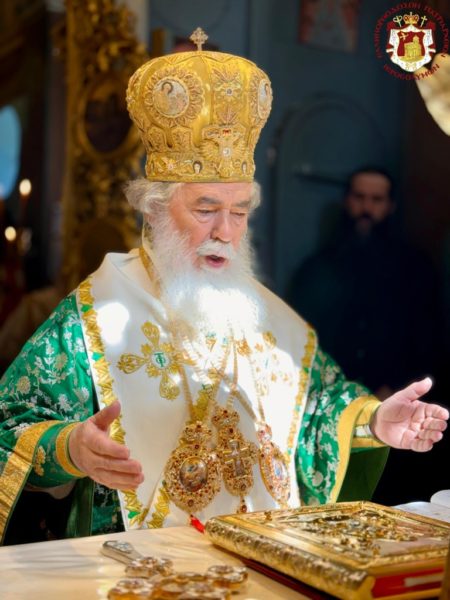
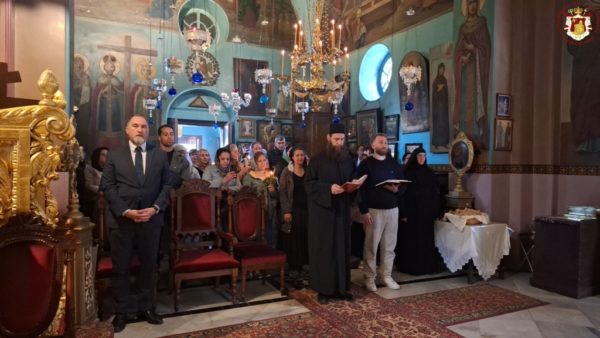
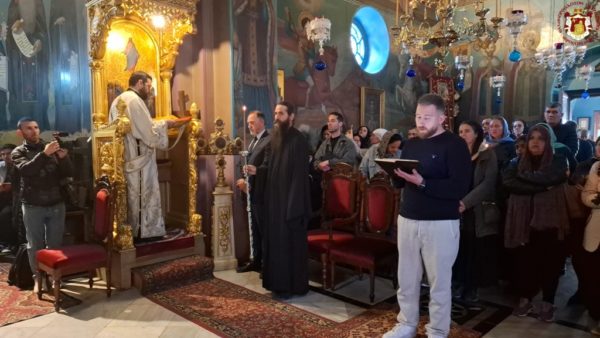
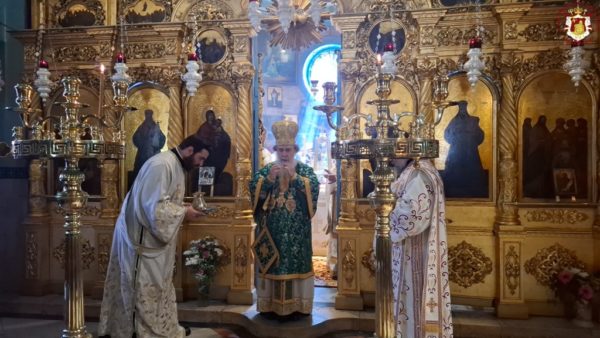
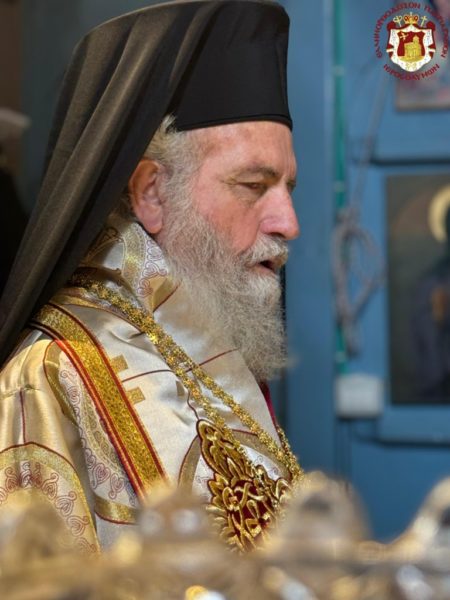
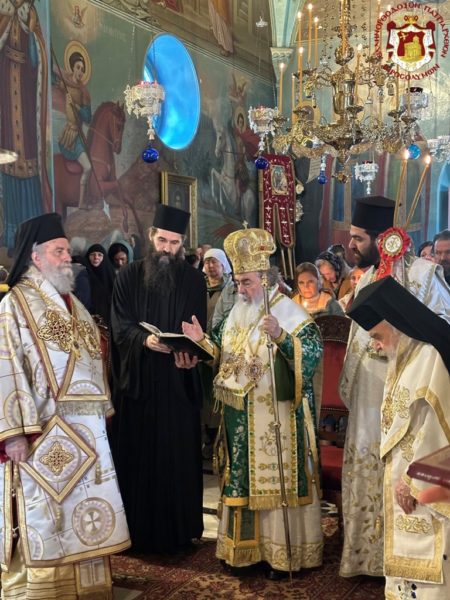
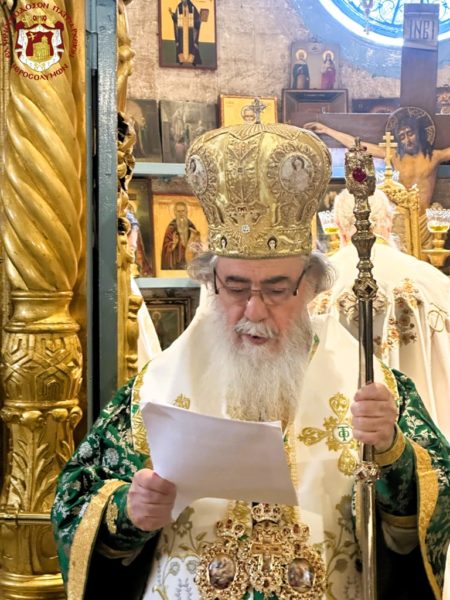
On Friday afternoon, Vespers was held by the ministering Priest of the Monastery, Archimandrite Epiphanios, together with the nuns of the Holy Monastery. On Saturday morning, the Divine Liturgy was presided over by Our Father and Patriarch of Jerusalem, His Beatitude Theophilos III, concelebrating with His Eminence Metropolitan Hesychios of Capitolias and the Elder Chief Secretary, His Eminence Archbishop Aristarchos of Constantina, without the participation of the faithful on account of the war.
Before the Holy Communion, His Beatitude delivered the following Sermon:
“Thou hast shown unto all the surpassing token of Thy Godhead, O Master, by raising Lazarus, four days dead, from among the dead. Today Bethany proclaimeth beforehand the Resurrection of Christ the Giver of Life, rejoicing in the raising of Lazarus.” The hymnographer of the Church proclaims.
Beloved brethren in Christ,
Pious Christians and Pilgrims,
Today, on the Saturday before Palm Sunday, our Holy Church celebrates the raising of the holy and righteous Lazarus, the friend of Christ, who had lain four days in the tomb. Wherefore we also have assembled in this venerable place of the renowned Holy Monastery of Lazarus in Bethany, that we may celebrate the mystery of mystical blessing, that is to say, the Divine Eucharist, on the one hand; and, on the other, proclaim this place as a type of the Resurrection of Christ, saying together with the hymnographer: “The joy of all, Christ the Truth, the Light, the Life, the Resurrection of the world, hath appeared unto those upon earth in His goodness, and hath become the type of the Resurrection, granting divine forgiveness unto all.”
In other words, the manifestation in Christ upon earth of the resurrection of the world constitutes the fulfilment of the mystery of the Divine Providence. Therefore also, unto the confession of Martha, the sister of Lazarus: “I know that he shall rise again in the resurrection at the last day” (John 11:24), Jesus says unto her: “I am the resurrection, and the life: he that believeth in me, though he were dead, yet shall he live: and whosoever liveth and believeth in me shall never die. Believest thou this?” (John 11:25–26).
Interpreting this saying of the Lord, Cyril of Alexandria says: “Having first explained the power of the mystery concerning Himself, and having clearly shown that He is by nature Life and true God, He requires assent in faith, establishing thereby a pattern for the Churches concerning this matter.” (That is to say, after Jesus had explained the power of the mystery concerning Himself and plainly shown that He Himself is Life by nature and true God, He seeks assent in faith; and in this manner He established a pattern for the Churches regarding this matter.)
And the divine Paul, invoking the word of Christ, “that I am the resurrection,” immediately proclaims: “But if there be no resurrection of the dead, then is Christ not risen: and if Christ be not risen, then is our preaching vain, and your faith is also vain” (1 Corinthians 15:13–14).
According to the interpreter Theodoretos of Cyrus, the divinely-inspired Paul here means that: “We preached Christ not only as God, but also as man… and we have declared that this same One both died and rose again.” Indeed, the denial of the resurrection of the dead entails also the denial of the Resurrection of Christ, and likewise of the common resurrection.
It is precisely this common resurrection of us the faithful, and of all mankind, in Christ Who has risen, that the raising of righteous Lazarus foretells, as this is expressed by the hymnographer of the Church: “O Christ, by raising Lazarus dead four days before Thy death, Thou didst shake the dominion of death, and through one beloved friend Thou didst proclaim beforehand unto all men deliverance from corruption.”
It is noteworthy that this freedom from the corruption of death is not limited only unto mankind, but extends also unto all creation, as the divine Paul proclaims: “Because the creature itself also shall be delivered from the bondage of corruption into the glorious liberty of the children of God. For we know that the whole creation groaneth and travaileth in pain together until now” (Romans 8:21–22). And this is because, according to the wise Paul: “The first man is of the earth, earthy: the second man is the Lord from heaven” (1 Corinthians 15:47).
Let us also hear Andrew of Crete proclaiming hymnographically: “O Word of Life, Thou who of old didst join dust unto spirit, and by Thy word didst animate the clay with spirit, now also by Thy word Thou hast raised Thy friend from corruption and from the regions beneath.”
The raising from the dead of righteous Lazarus, “and his return again unto life” by the voice of the Word of God, my beloved brethren, concerns two things: First, the confirmation of the common Resurrection in Christ before His Passion upon the Cross; and secondly, the triumph of Christ’s Victory over the death of corruption.
Wherefore let us also say with the hymnographer: “By the supplications of Lazarus, Martha, and Mary, together with the intercessions of the all-blessed Theotokos Mary, count us worthy, O Lord, to become beholders of Thy Cross and Passion, and of Thy light-bearing Resurrection, Queen and Sovereign of days, O Lover of mankind.”
Blessed and Peaceful be the Holy Pascha. Amen.”
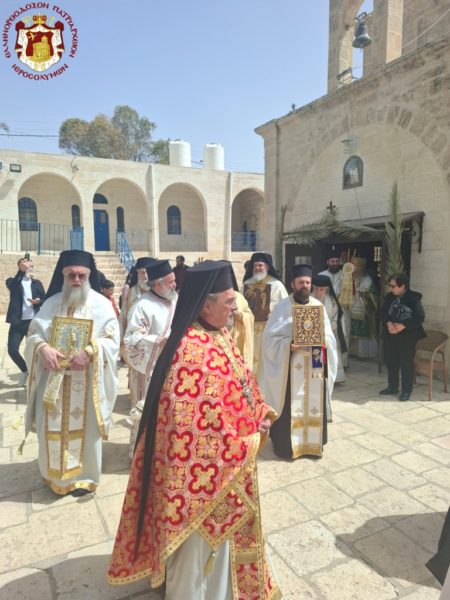
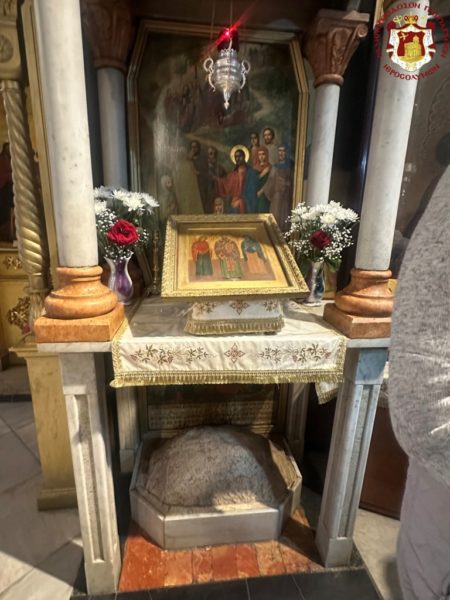
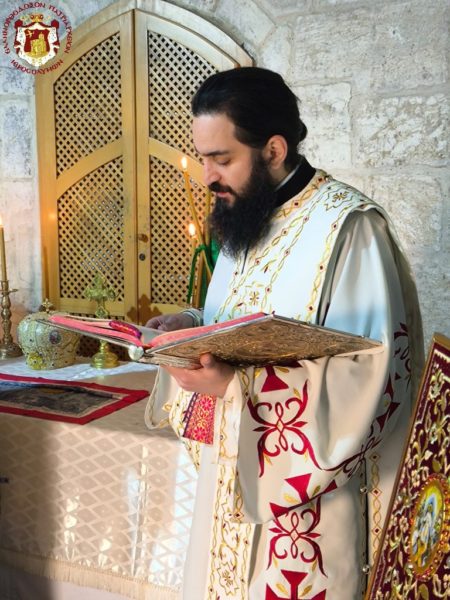
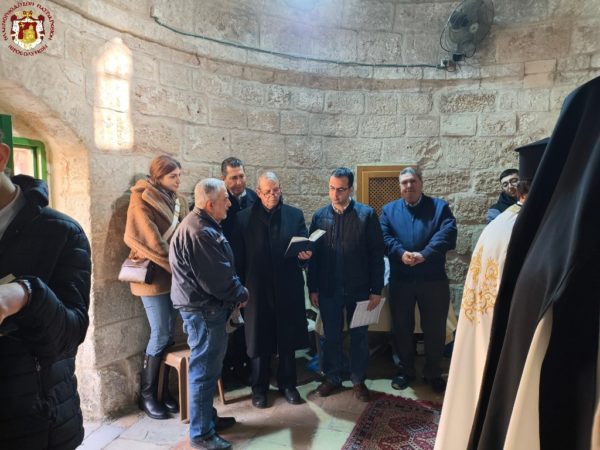
The Liturgy was followed by a procession to the tomb of Lazarus, where His Eminence read the Gospel narrative according to the Gospel of John concerning the Resurrection of Lazarus.
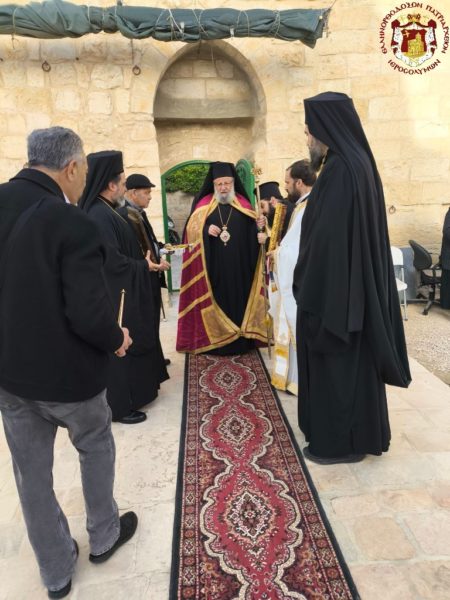
At the Holy Monastery, the Abbess Nun Mitrodora received Our Father and Patriarch of Jerusalem, His Beatitude Theophilos, together with members of His entourage, as well as the Mayor of Bethany, who thereafter received the officiating Hierarch and his accompanying party at the Town Hall.
From the Chief Secretariat