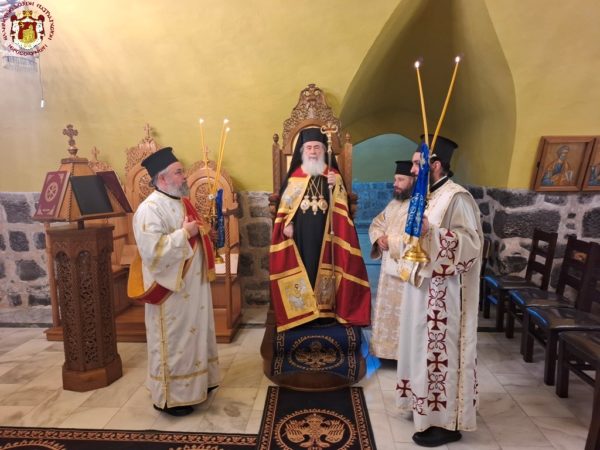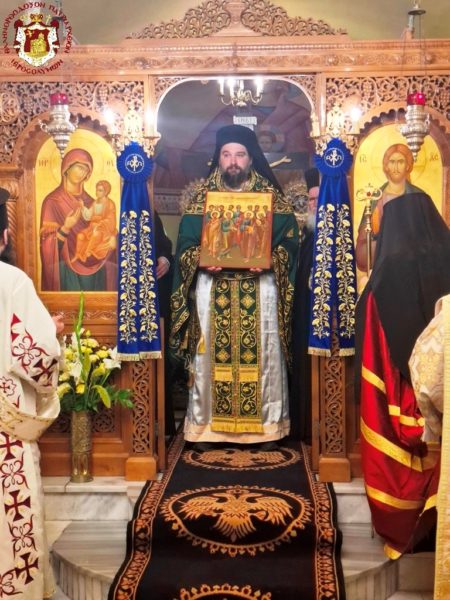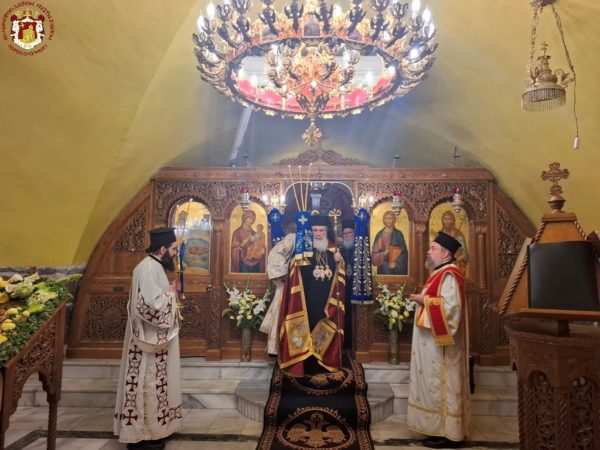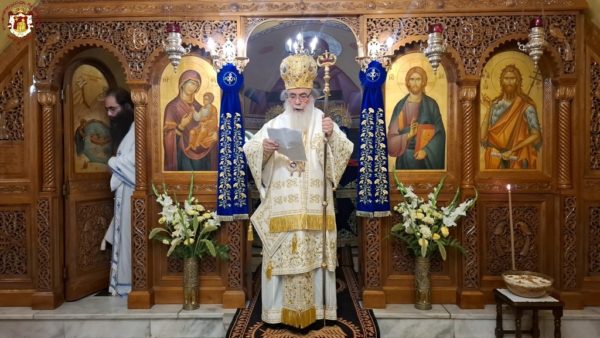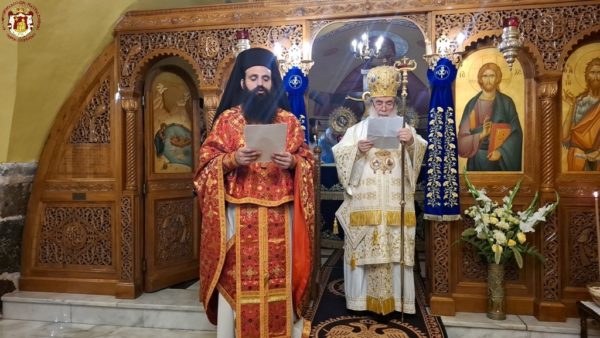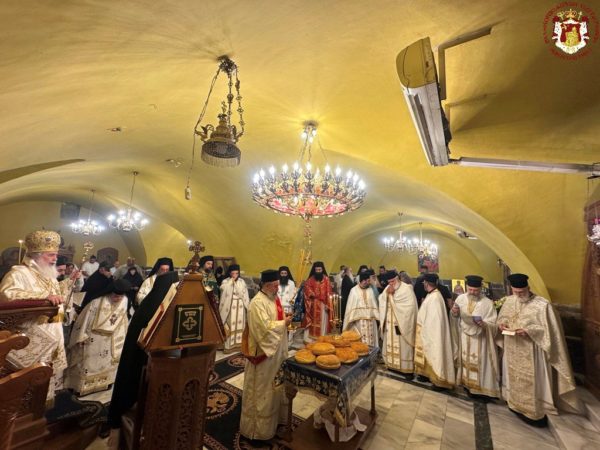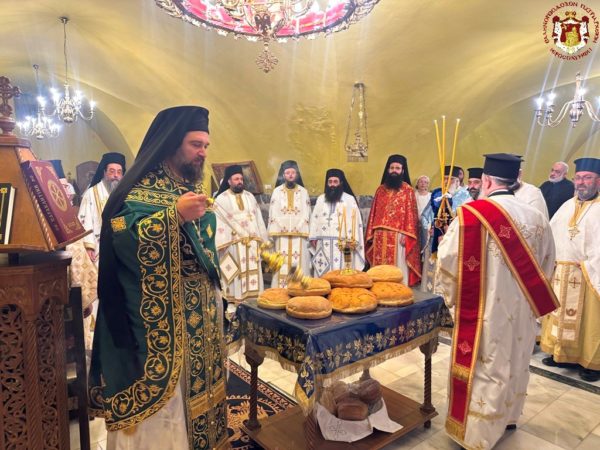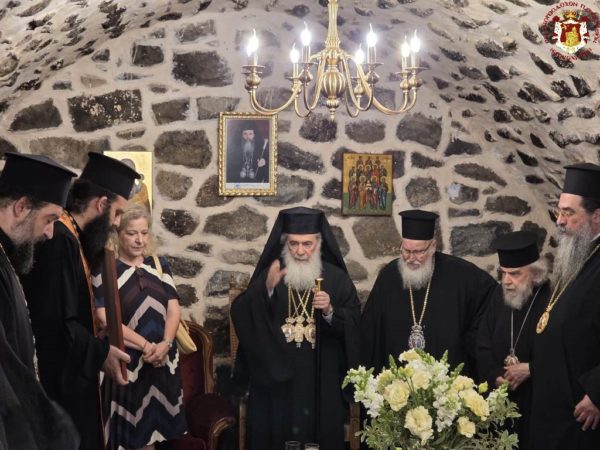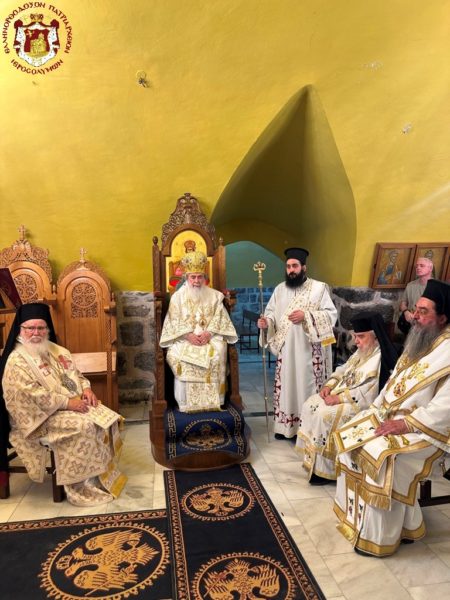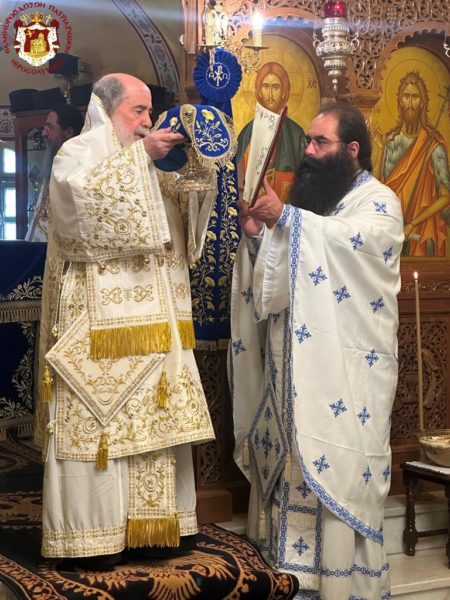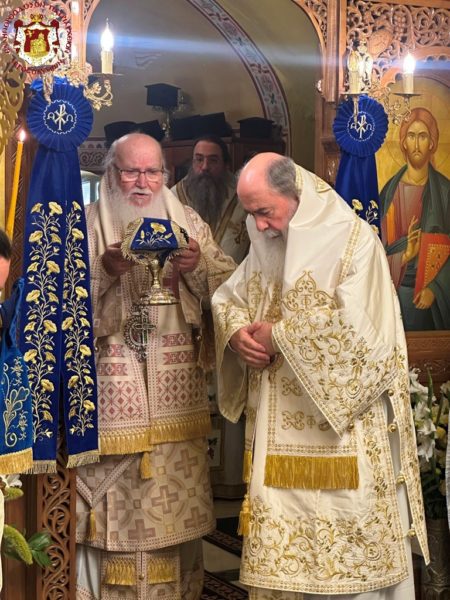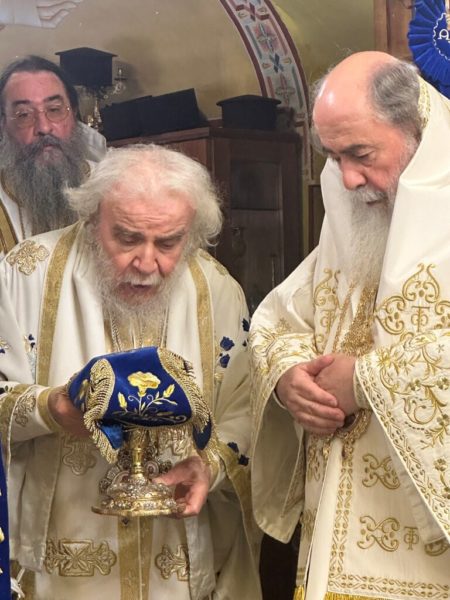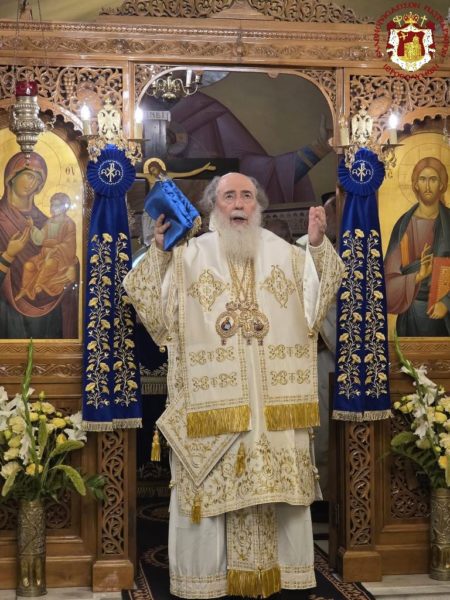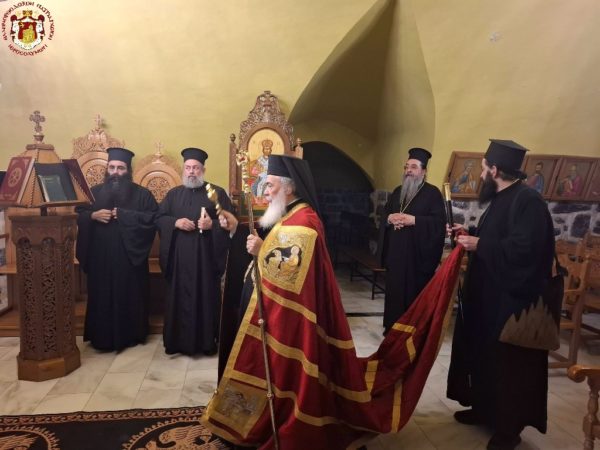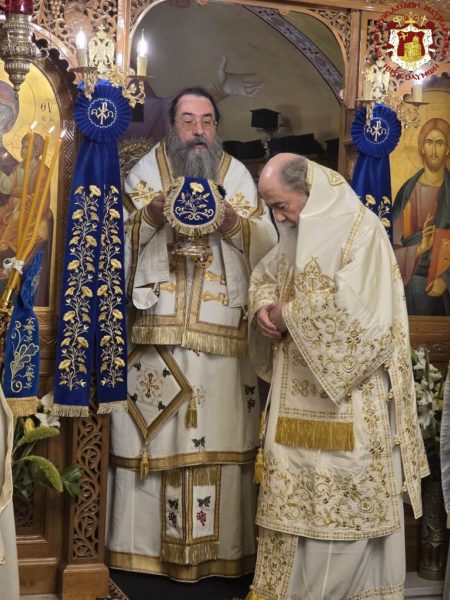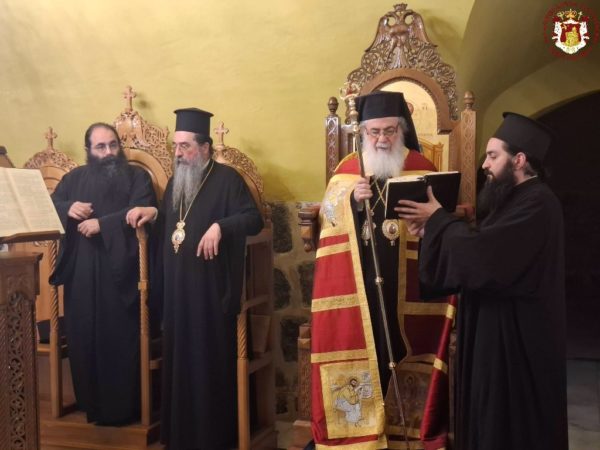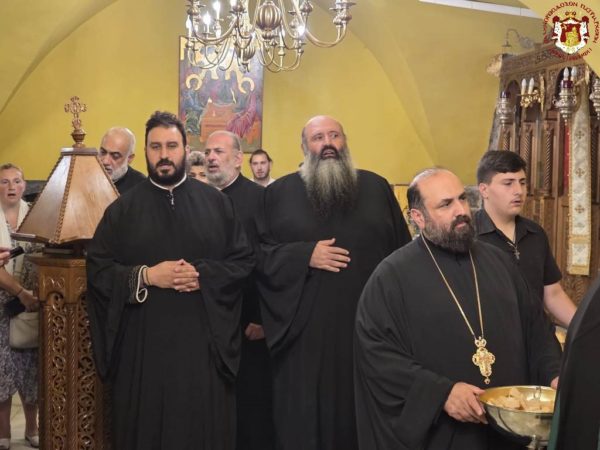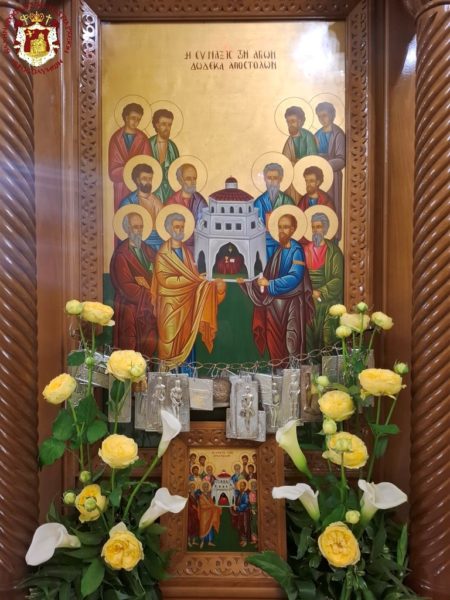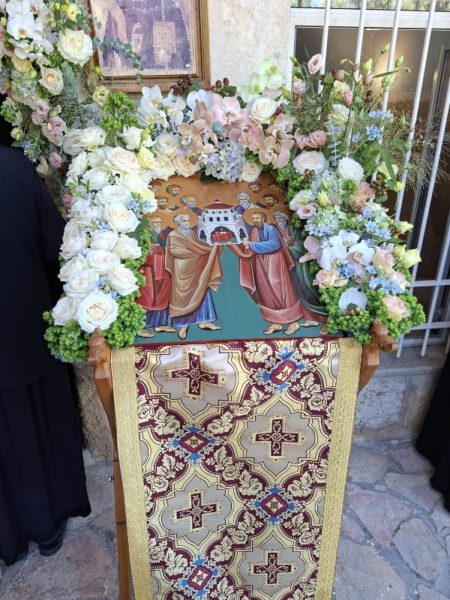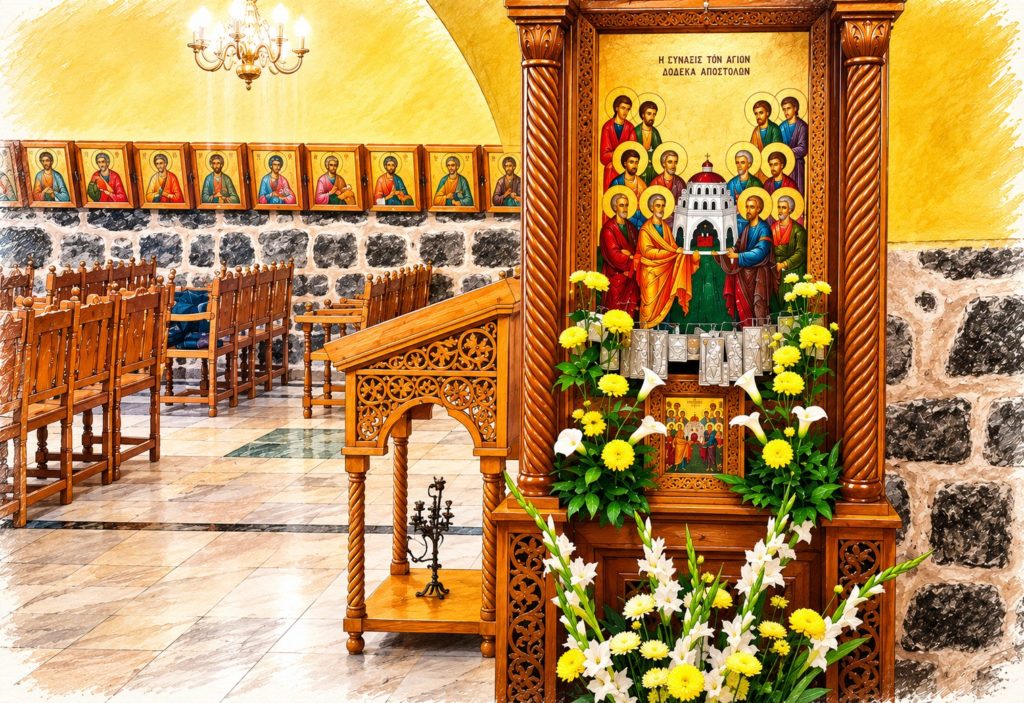
On Monday, 30 June / 13 July 2026, the Patriarchate celebrated the Feast of the Synaxis of the Holy Twelve Apostles, that is, the gathering of the faithful in honour of the memory of all twelve Apostles. The number twelve is symbolic, representing the twelve tribes which, gathered together, constituted Israel; it also signifies the nations to whom the Apostles preached, who became the Christian people, a royal priesthood, united in the oneness of the One, Holy, Catholic, and Apostolic Church of Christ.
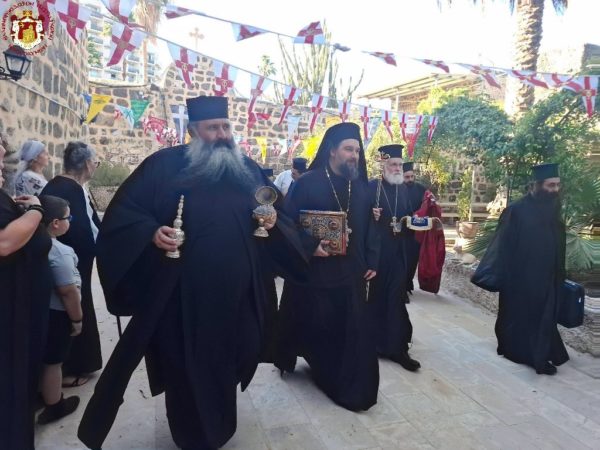
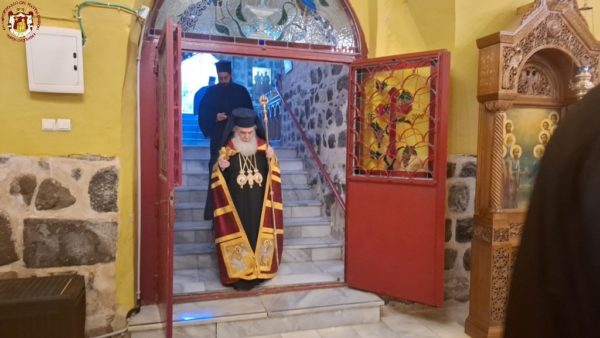
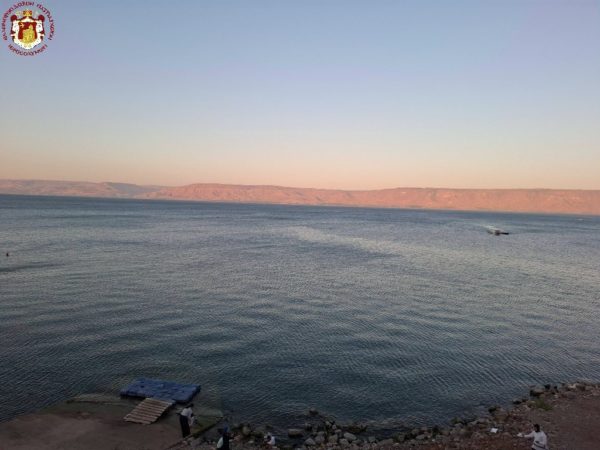
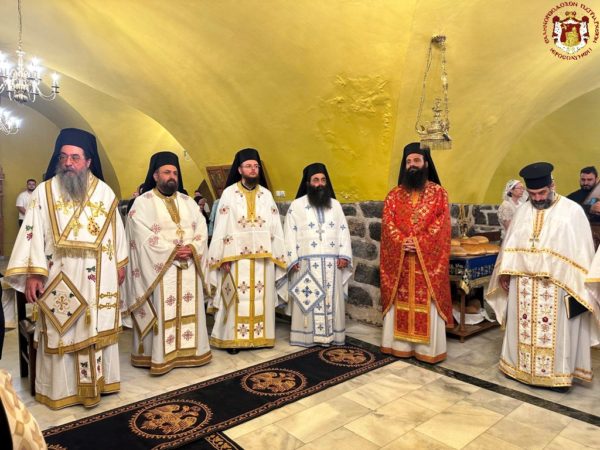
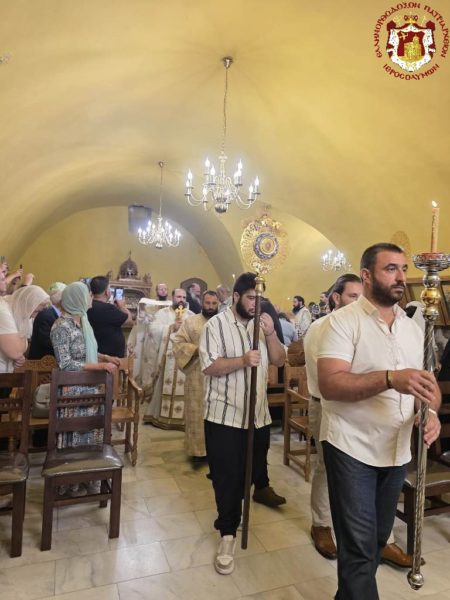
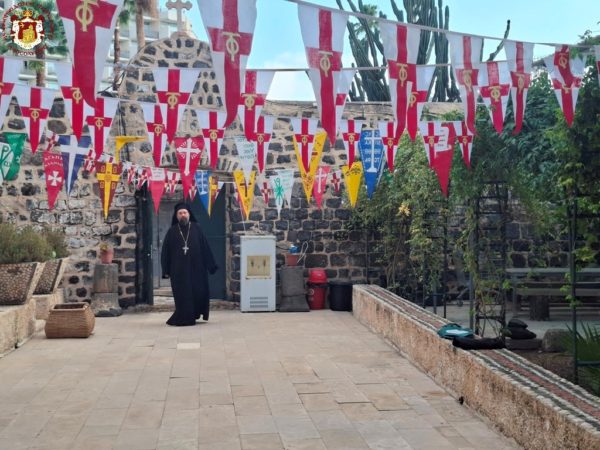
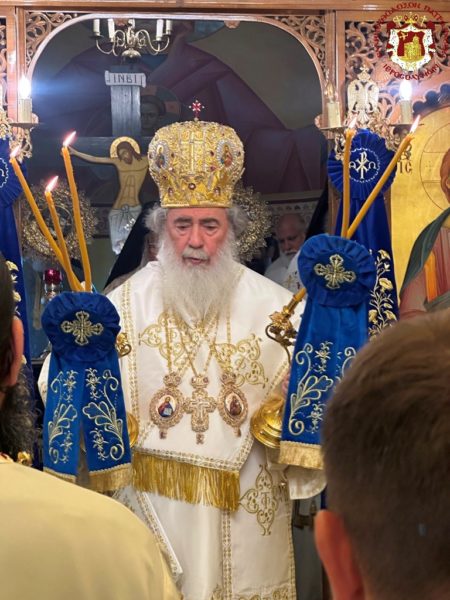
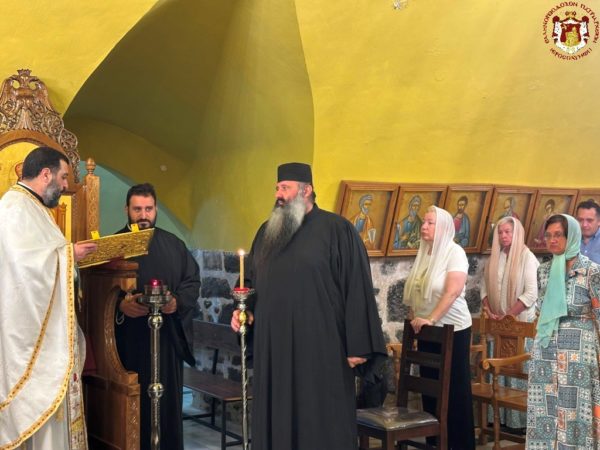
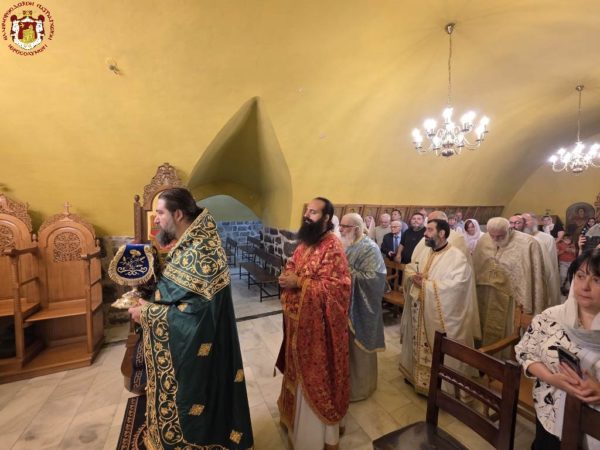
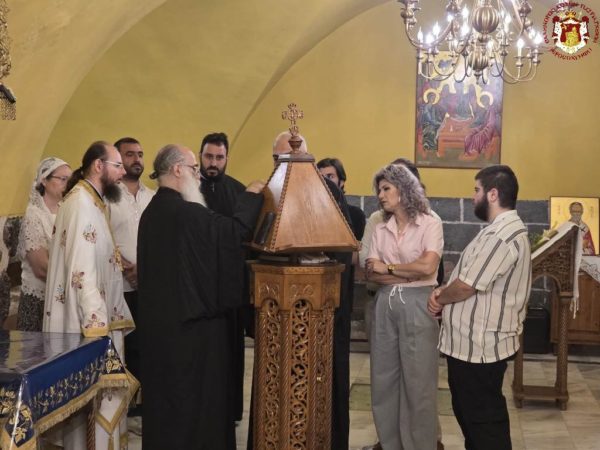
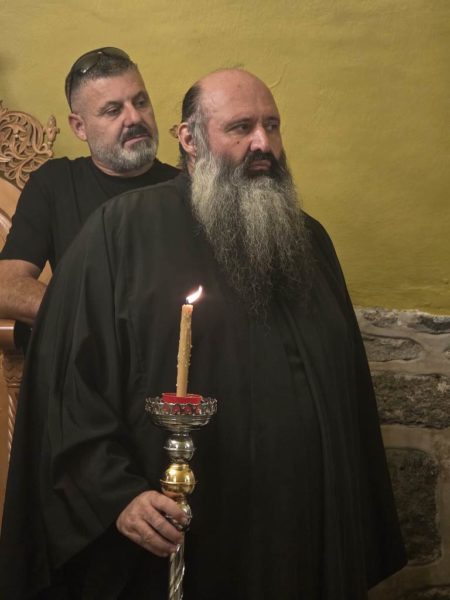
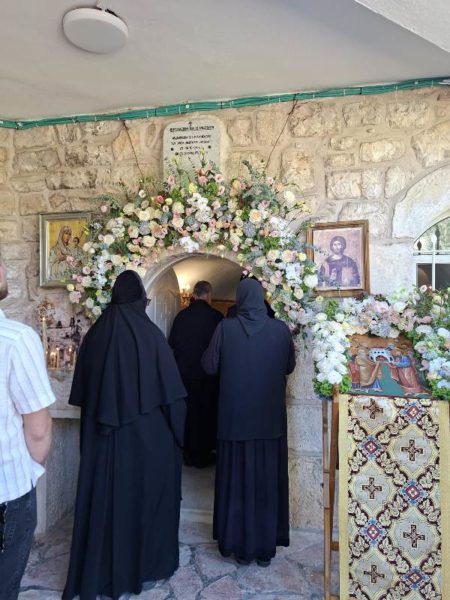
Their memory was celebrated by the Patriarchate at the Holy Monastery of the Holy Apostles in Tiberias, with Vespers on the eve of the feast and the Divine Liturgy on the following morning. His Beatitude our Father and Patriarch of Jerusalem, Theophilos III, presided over the Divine Liturgy, concelebrating with His Eminence Metropolitan Kyriakos of Nazareth; the Elder Chief Secretary, His Eminence Archbishop Aristarchos of Constantina; the Patriarchal Commissioner of Acre and Ptolemais, His Eminence Metropolitan Makarios; Holy Sepulchre Hieromonks, headed by the Elder Dragoman, Archimandrite Matthaios; the Secretary of the Holy and Sacred Synod, Archimandrite Christodoulos; Archimandrite Artemios, Hegumen of Haifa; priests from the neighbouring regions of Galilee; Archdeacon Mark and Hierodeacon Prodromos.
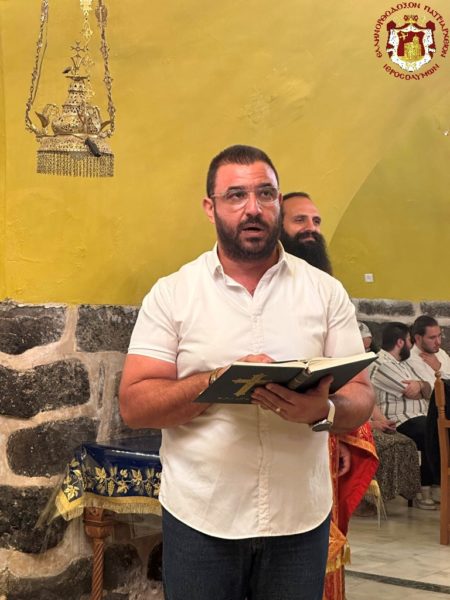
The hymns were chanted in Greek, Arabic, and Russian by the choir under the direction of His Eminence Archbishop Aristovoulos of Qatar.
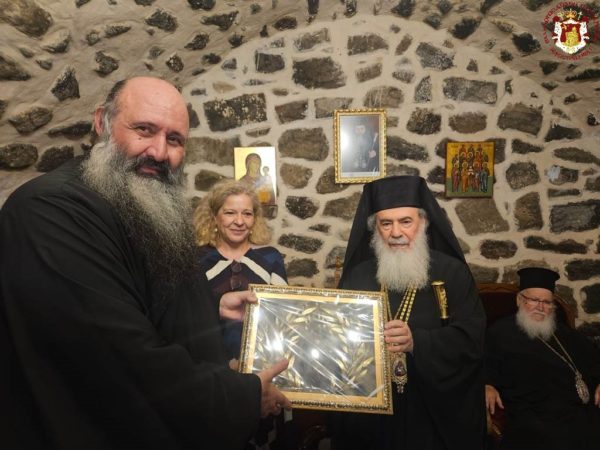
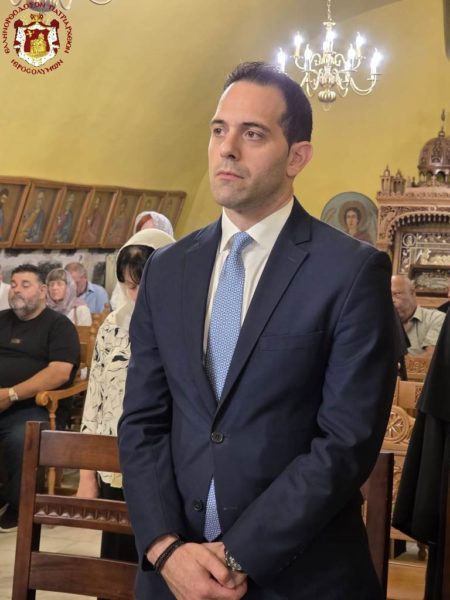
Also present were the Ambassador of Greece to Israel, Mrs Maya Solomou, Mr Mavroeides, together with monks, nuns, the faithful from the region of Tiberias, and pilgrims, all participating prayerfully in the celebration.
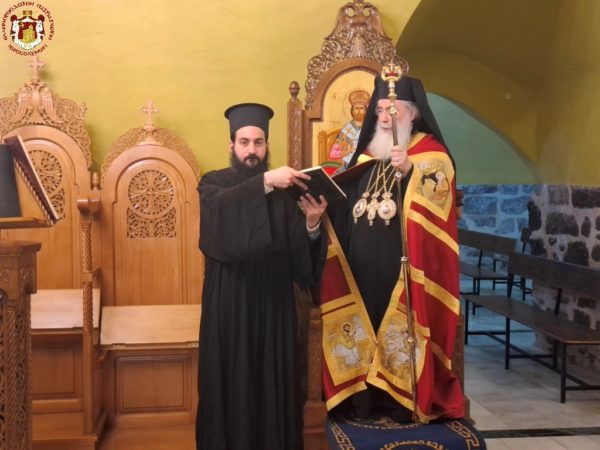
Addressing this devout congregation, His Beatitude delivered the following sermon:
“Now it came to pass in those days that He went out to the mountain to pray, and continued all night in prayer to God. And when it was day, He called His disciples to Himself; and from them He chose twelve whom He also named apostles” (Luke 6:12–13).
Beloved brethren in Christ,
Pious Christians and pilgrims,
The grace of the Holy Spirit has gathered us all together in this holy place by the Sea of Tiberias, where “Jesus showed Himself again to His disciples after His Resurrection” (cf. John 21:1), that we may celebrate the Synaxis of His holy, glorious and all-praised Twelve Disciples and Apostles, in the sacred monastery dedicated to their honour.
To these twelve disciples the Lord Jesus entrusted the mission of proclaiming the Gospel, saying to them: “Go into all the world and preach the gospel to every creature” (Mark 16:15). At the same time, He bestowed upon them authority over unclean spirits, for, as the Evangelist Matthew records: “And when He had called His twelve disciples to Him, He gave them power over unclean spirits, to cast them out, and to heal all kinds of sickness and all kinds of disease” (Matthew 10:1).
Interpreting these words, Blessed Theophylactos says: “Observe the Lord’s command: ‘Preach to every creature.’ He did not say, ‘Preach only to those who are willing to believe,’ but to every creature, whether they receive the message or not.” Saint John Chrysostom likewise remarks: “Notice the wisdom of the timing of their mission. Christ did not send them out immediately, but only after they had benefited sufficiently from following Him; after they had witnessed the dead being raised, the sea rebuked, demons cast out, the paralytic restored, sins forgiven, the leper cleansed, and after they had received abundant proof of His divine power both through His works and through His words. Only then did He send them forth.”
The number twelve itself was symbolic, corresponding to the twelve tribes of Israel. As Theophylactos observes: “He chose twelve disciples according to the number of the twelve tribes.” Concerning these twelve tribes, the Lord Himself said to His disciples: “Assuredly I say to you, that in the regeneration, when the Son of Man sits on the throne of His glory, you who have followed Me will also sit on twelve thrones, judging the twelve tribes of Israel” (Matthew 19:28).
Particularly noteworthy is the testimony of the holy Evangelist John concerning the heavenly city and its wall: “Now the wall of the city had twelve foundations, and on them were the names of the twelve apostles of the Lamb” (Revelation 21:14). Again, in the Book of Revelation, Saint John declares: “Now I saw a new heaven and a new earth… Then I, John, saw the holy city, New Jerusalem, coming down out of heaven from God, prepared as a bride adorned for her husband. And I heard a loud voice from heaven saying, ‘Behold, the tabernacle of God is with men, and He will dwell with them, and they shall be His people. God Himself will be with them and be their God” (Revelation 21:1–3).
According to the divine Paul, the city of God coming down from heaven is the Church, which Christ loved and “gave Himself for her, that she might be holy and without blemish… For no one ever hated his own flesh, but nourishes and cherishes it, just as the Lord does the church. For we are members of His body, of His flesh and of His bones” (cf. Eph. 5:25-30).
Foremost and principally, His disciples and Apostles proved to be such members of the body and of the flesh of Christ; they became companions in the “true tabernacle which the Lord erected, and not man” (Heb. 8:2). Therefore, the hymnographer exclaims: “Having adopted Your disciples, O You Who are by nature the Son, You did show them, O All-Good One, to be heirs of the paternal inheritance by grace, and You did deign that they should sit in council with You, Who art God and Master.”
The wise Paul, addressing the Ephesians regarding the fact that God united the Gentiles, that is, the idolaters, and the Jews into one single Church in Christ Jesus, says: “Now, therefore, you are no longer strangers and foreigners, but fellow citizens with the saints and members of the household of God, having been built on the foundation of the apostles and prophets, Jesus Christ Himself being the chief cornerstone, in whom the whole building, being fitted together, grows into a holy temple in the Lord, in whom you also are being built together for a dwelling place of God in the Spirit” (Eph. 2:19-22).
Here, the members of God’s household are presented as living stones being built upon the spiritual edifice of the Church, of which Christ is the chief cornerstone. As the Apostle Peter says: “Coming to Him as to a living stone, rejected indeed by men, but chosen by God and precious… Therefore it is also contained in the Scripture, ‘Behold, I lay in Zion a chief cornerstone, elect, precious, and he who believes on Him will by no means be put to shame’” (1 Pet. 2:4-6). According to Zigavenos, the foundations are the Apostles, as they were the first to believe and were placed before all others into the building of the Church; alternatively, their preaching is the base and infrastructure of the Church. This is why, as previously mentioned, the hymnographer says: “He Who is by nature the Son from the beginning, namely, Jesus Christ, showed His disciples and Apostles to be heirs of His paternal inheritance by grace.”
Furthermore, according to Clement of Rome: “The Apostles received the Gospel for us from the Lord Jesus Christ; Jesus Christ was sent forth from God. Christ, therefore, is from God, and the Apostles are from Christ. Both ministries, therefore, were sequentially ordained according to the will of God.”
In other words, my beloved brethren, the Apostles are the voice and the seal of the Lord. This is because the first Bishops were ordained from among the Apostles as their disciples, and from them came the Bishops and Presbyters established in every place. Thereafter, bishops were ordained by succession in a continuous and unbroken line, with everything taking place “sequentially according to the will of God.”
Highly interesting in this context is the account concerning John the Apostle and Evangelist, recorded by Eusebius of Caesarea (of Palestine) and Clement of Alexandria, which reads: “For when, after the tyrant’s death, [John] returned from the isle of Patmos to Ephesus, he used to go away, when requested, even to the neighbouring regions of the Gentiles, in some places to appoint bishops, in others to set whole Churches in order, and in others to ordain to the clergy some one of those indicated by the Spirit.”
From the above, it is most clearly demonstrated that spiritual authority, that is to say, the ecclesiastical hierarchy with its apostolic succession, derives from the incarnate, crucified, and risen Christ. In Him, the Apostles directly established bishops and presbyters in the Church, who thus received the priestly “gift of God which is in you through the laying on of my hands,” as the Apostle Paul instructs his disciple Timothy, saying: “I remind you to stir up the gift of God which is in you through the laying on of my hands” (2 Tim. 1:6).
Behold, therefore, why the God-bearing Fathers who assembled at the First Ecumenical Council in Nicaea in 325 AD, when composing the “Creed” (Symbol of Faith), called the Church “Apostolic”.
As for us, who honour their all-venerable memory, let us say along with the hymnographer: “O Disciples of the Saviour, you traversed the creation and enlightened it; by your teachings you utterly consumed the delusion of the idols like fuel. You caught the nations with your net, rescuing them from the abyss of ignorance and bringing them to divine knowledge. And now, intercede with Christ, that He may be merciful unto us on the Day of Judgment.”
Amen! Many and peaceful returns to all!”
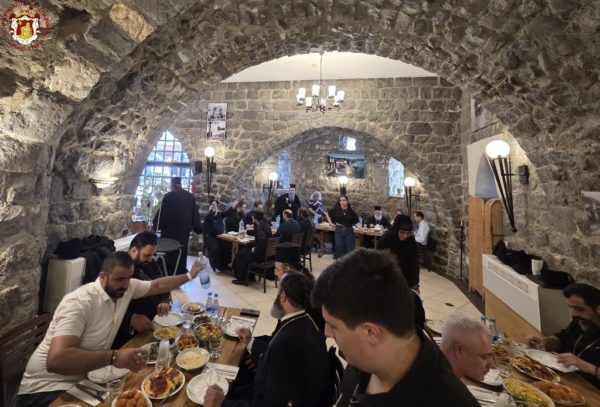
Following the Divine Liturgy, a reception and a rich festive traditional meal were offered at a restaurant in Tiberias by Fr Konstantinos, the Supervisor of the Monastery.
Vespers on the eve of the feast and the Divine Liturgy were also celebrated at the Holy Chapel of the Holy Apostles in Gethsemane by His Eminence Metropolitan Joachim of Helenopolis, Hegumen of the Shrine, concelebrating with Archimandrite Thaddaios, in the prayerful presence of monks, nuns, and the faithful of Jerusalem.
From the Chief Secretariat