Drepturile copiilor – fotoreportaj din bibliotecă
În ultimele 3 decenii, a apărut conceptul de „Drepturile copilului” pentru a defini interesele acestuia în dreptul internațional. Cu toate că intenția este, teoretic, de lăudat, „Drepturile copilului” sunt o noțiune abstractă, lipsită de sens, într-o lume separată de Dumnezeu.
Fără Dumnezeu, fiecare dintre instituțiile care interpretează în mod practic această noțiune devin, de fapt, dumnezeii copiilor și a părinților implicați – hotărându-le într-un mod mai mult sau mai puțin arbitrar viitorul relației lor pe baza viziunii strâmte a unei instituții fără nicio legătură personală cu familia pe care îi manipulează și deci lipsiți de orice dragoste față de aceștia.
Să nu uităm că Dumnezeu a dat un mare dar natural oamenilor: dragostea dintre părinți și copii ca liant al societății. Dacă distrugem acest lucru, ne distrugem, de fapt, societatea.
Soluția nu este a impune legi oarbe pe baza unor excepții negative, ci mai degrabă să promovăm modul corect de a fi. În acest punct, trebuie să menționăm că modul corect de a fi nu constă în „a avea” pentru că dacă pornim pe drumul lăcomiei, niciodată nu vom avea destul. De asemenea, nu constă nici în „a ști” (informații intelectuale) pentru că, astfel, niciodată nu vom ști destul, întunecați fiind în îngâmfarea părerii înalte despre sine.
Modul corect de a fi este „a iubi” – a fi persoană, a fi uman, asta chiar dacă niciodată nu vom putea iubi destul.
Părinți, să avem grijă să-i învățăm pe copiii noștri să iubească prin exemplul nostru personal pentru că în absolutul lui Dumnezeu acestea sunt drepturile copilului: să iubească și să fie iubit!
Dacă nu avem grijă la drepturile copiilor, la iubirea noastră, legea duhovnicească va interveni și copiii se vor îndepărta de noi fie că dorim fie că nu dorim.
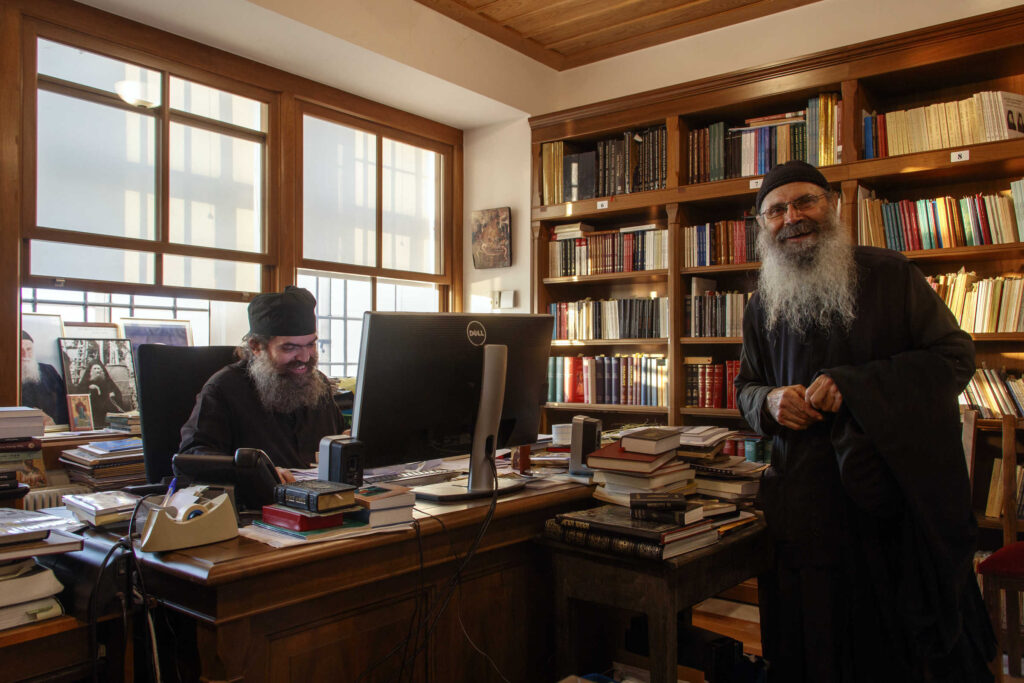
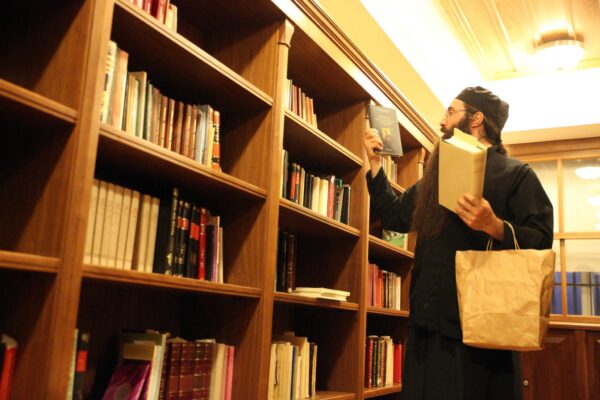
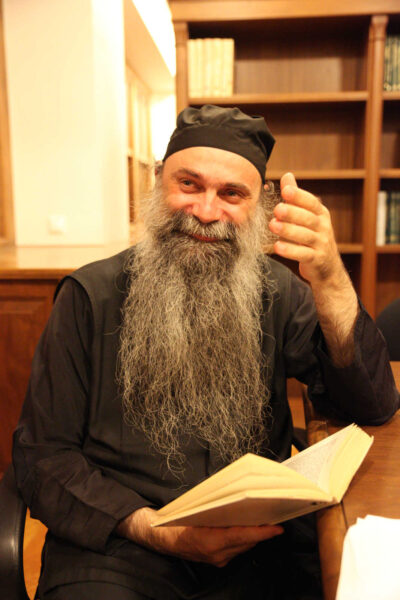
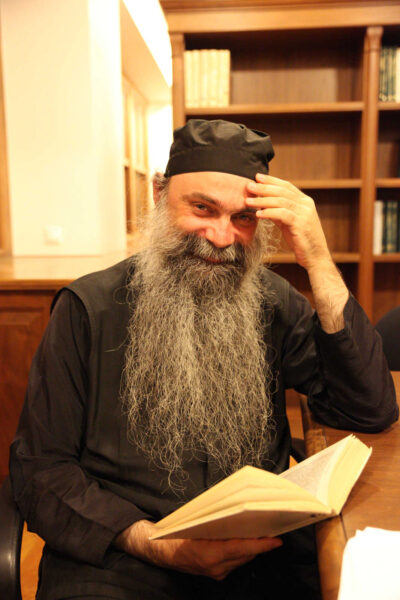
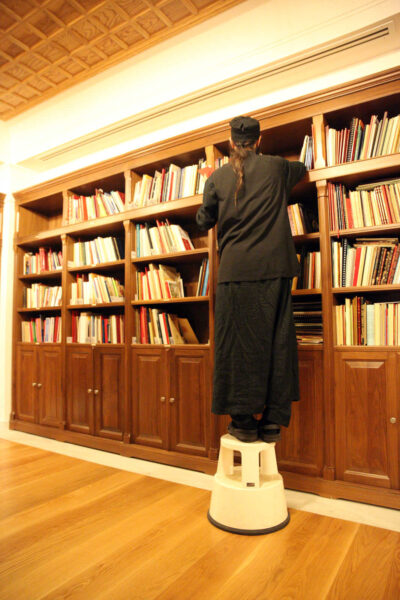
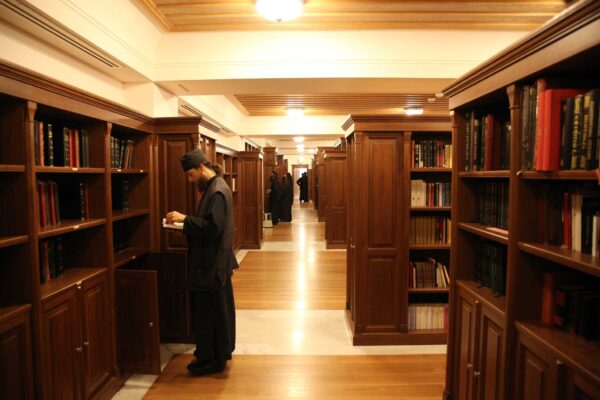
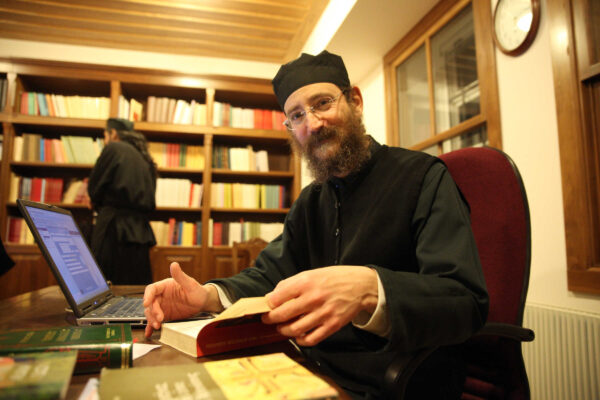
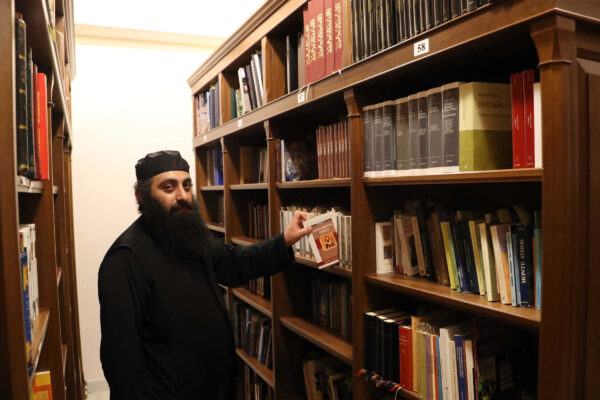
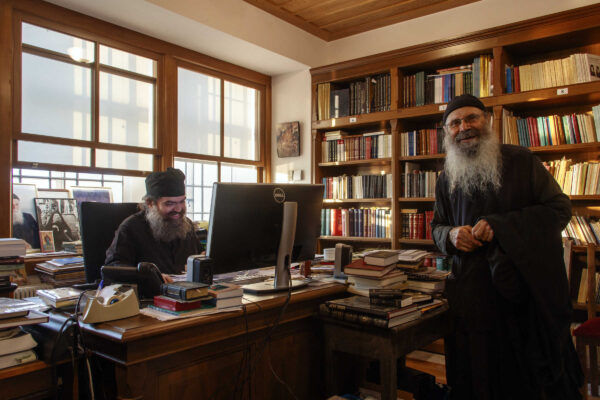
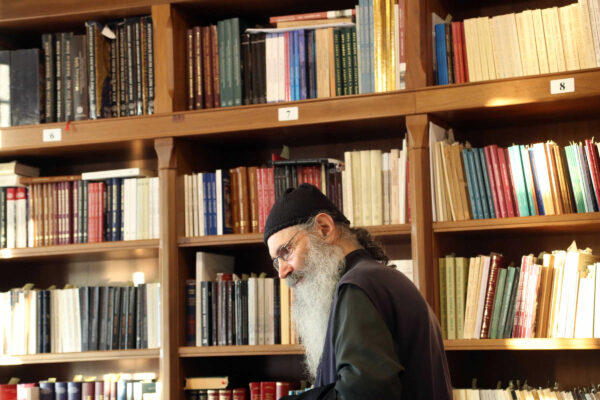
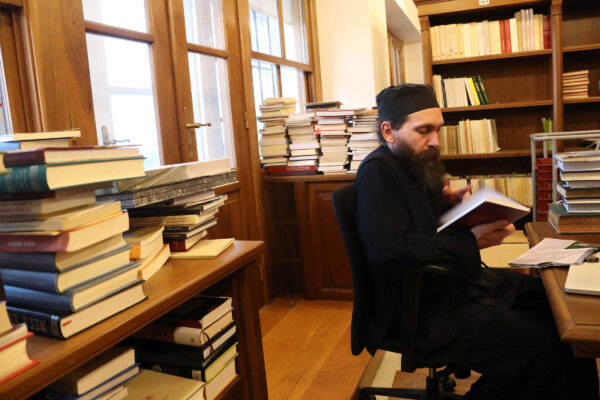
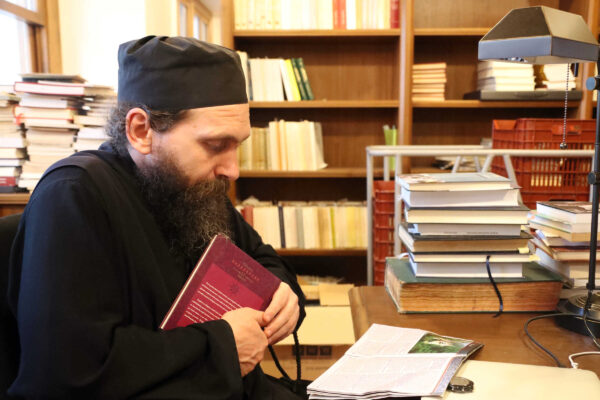
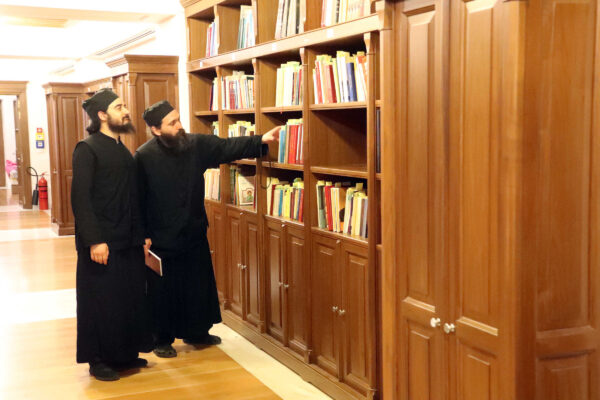
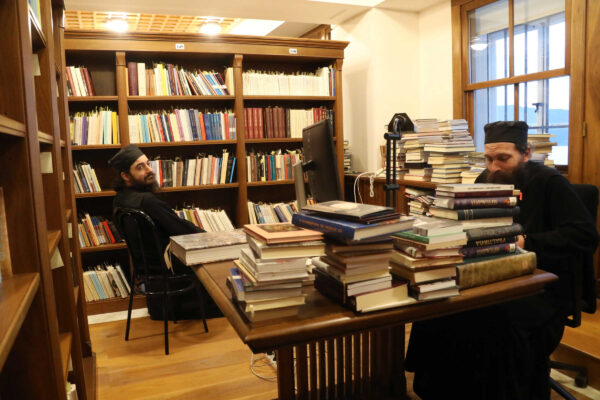
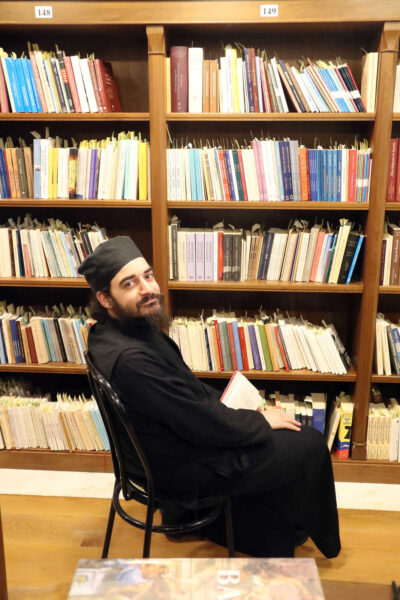
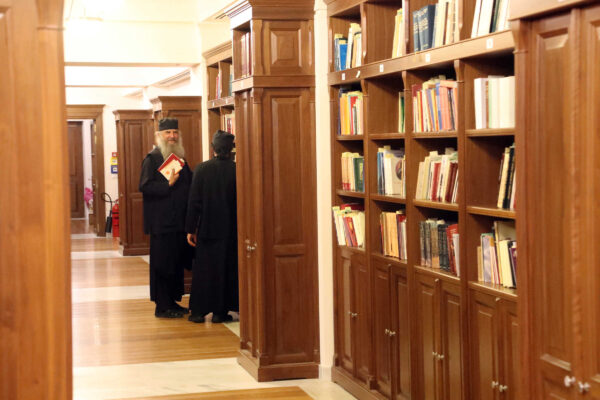
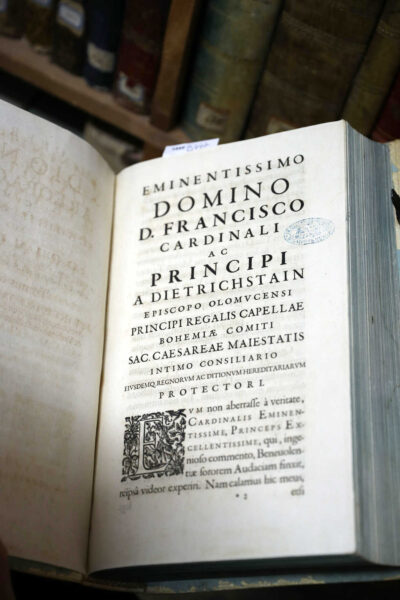
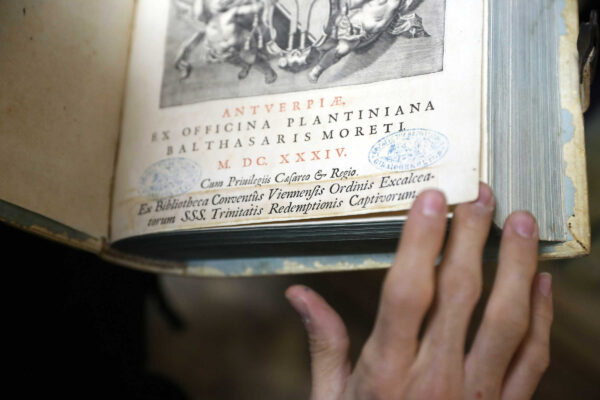
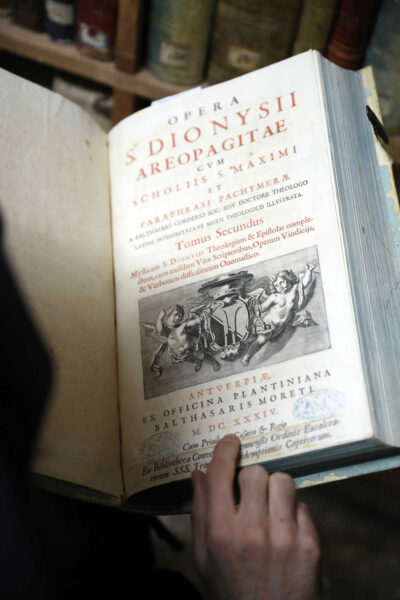
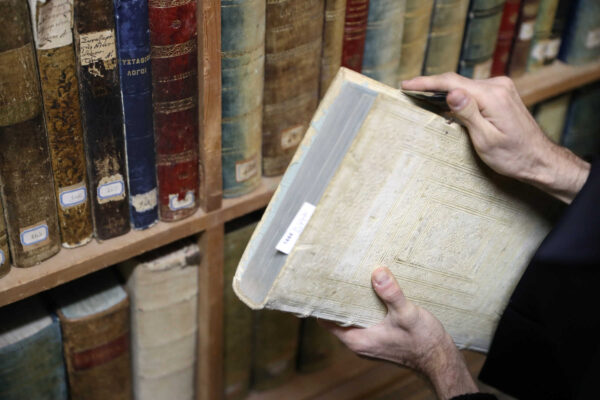
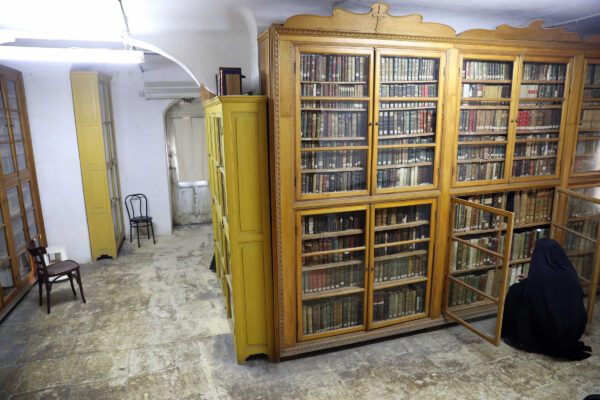
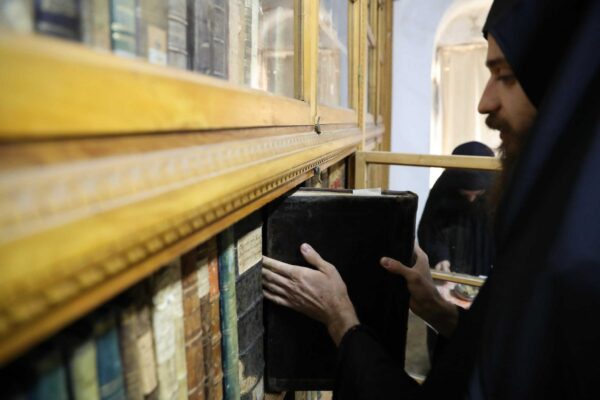
Imaginile sunt din bibliotecile nouă și veche de la Mănăstirea Vatoped, Muntele Athos. Cartea reprezintă volumul doi din Opera Sfântului Dionisie Areopagitul cu comentarii de Sfântul Maxim Mărturisitorul tipărită în 1634 în Antwerp.

In the last 3 decades, the concept of ‘Children’s Rights’ has emerged to define their interests in international law. Although the intention is, theoretically, to be praised, ‘Children’s Rights’ is an abstract, meaningless notion, in a world separate from God.
Without God, each of the institutions that practically interpret this notion becomes, in fact, the ‘god’ of the children and the parents involved – in a more or less arbitrary way deciding the future of their relationship based on the narrow vision of an institution without any personal connection with the family it manipulates and therefore lacks any love for them.
Let us not forget that God has given a great and natural gift to people: the love between parents and children as a binder of society. If we destroy this, we actually destroy our society.
The solution is not to impose blind laws on the basis of negative exceptions but rather to promote the right way of being. At this point, we must mention that the right way of being is not ‘to have’ because if we start on the path of greed, we will never have enough. It also does not consist in ‘to know’ (intellectual information) because thus we will never know enough, being darkened in the pride of a high opinion of ourselves.
The right way to be is ‘to love’ – to be a person, to be human, even if we will never be able to love enough.
Parents, let us be careful to teach our children to love through our personal example because in the absolute world of God these are the rights of the children: to love and to be loved.
If we do not care about the rights of the children, that is to love them, the spiritual law will intervene and the children will depart from us whether we want this or not.
The images are from the new and old libraries of the Monastery of Vatopaidi, Mount Athos. The book represents volume two of Saint Dionysios the Areopagite’s Works, with commentary by St. Maximos the Confessor, printed in 1634 in Antwerp.

H αναδημοσίευση του παραπάνω άρθρου ή μέρους του επιτρέπεται μόνο αν αναφέρεται ως πηγή το ORTHODOXIANEWSAGENCY.GR με ενεργό σύνδεσμο στην εν λόγω καταχώρηση.
 Ακολούθησε το ORTHODOXIANEWSAGENCY.gr στο Google News και μάθε πρώτος όλες τις ειδήσεις.