Ecumenical Patriarch Bartholomew: “Genuine education, as the ‘formation of the human person,’ is inconceivable if it neglects the development of the spiritual dimension”
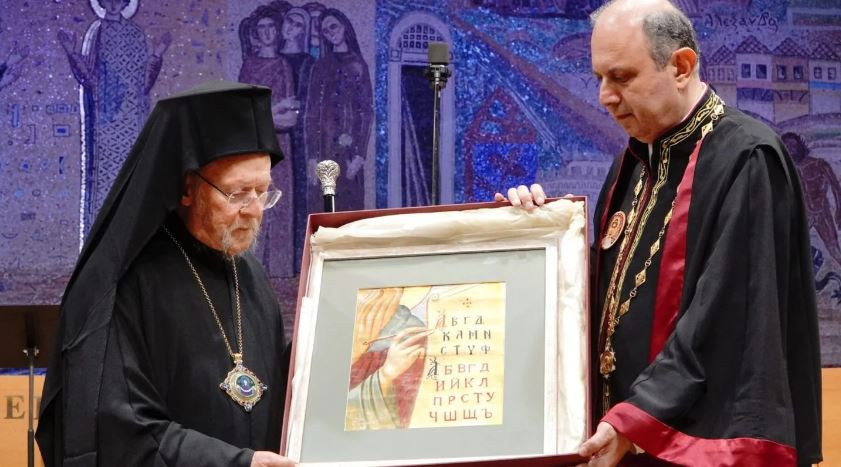
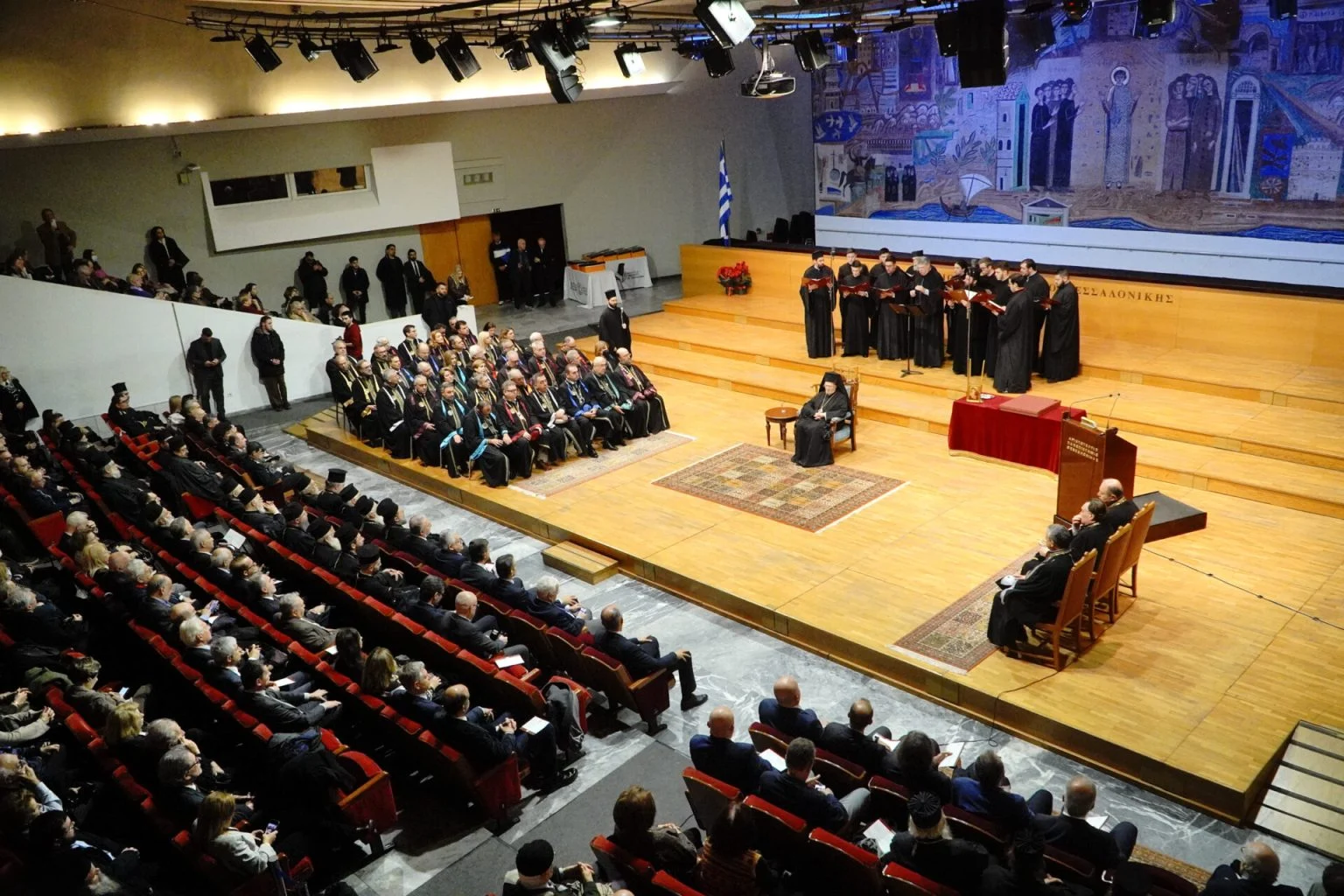
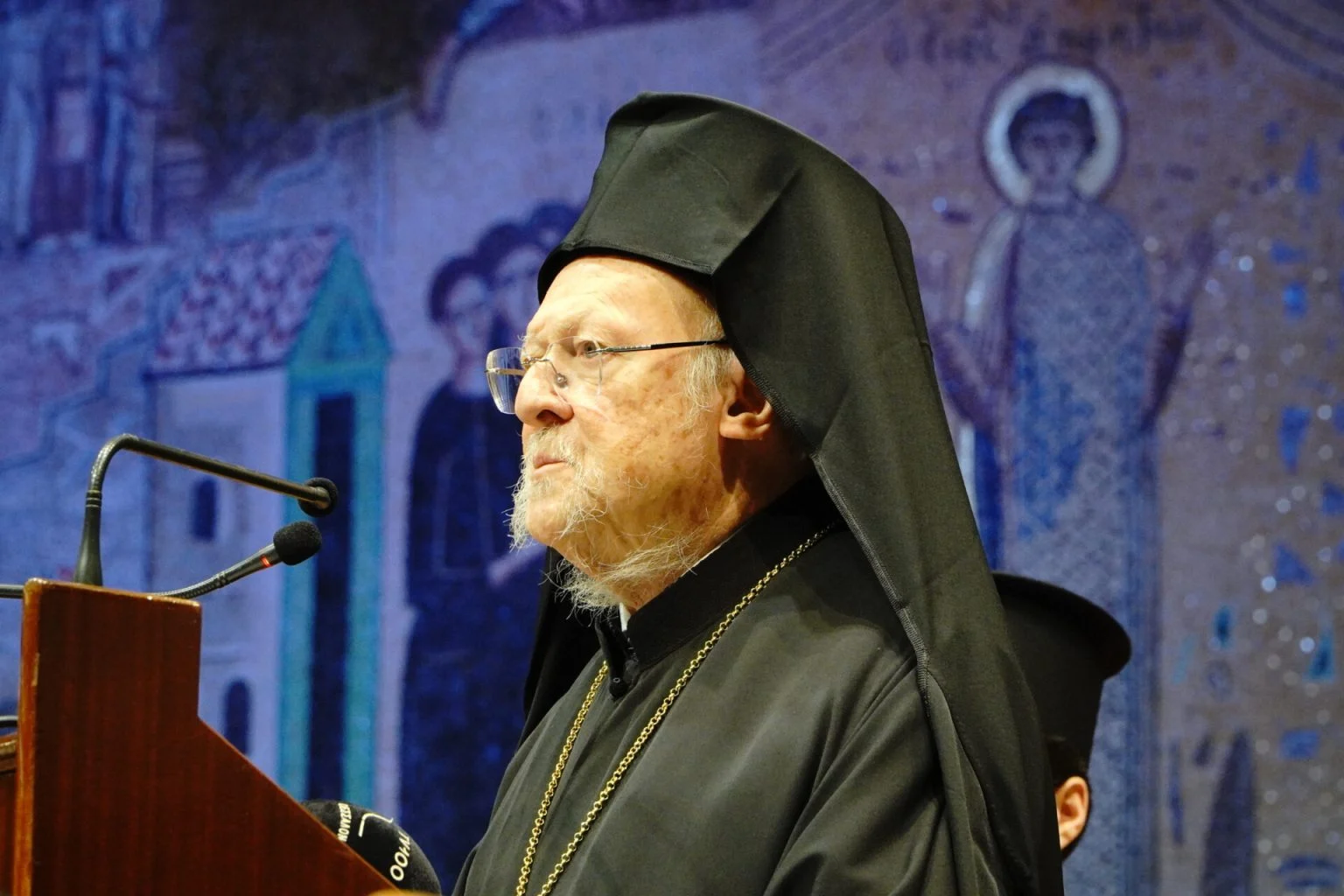
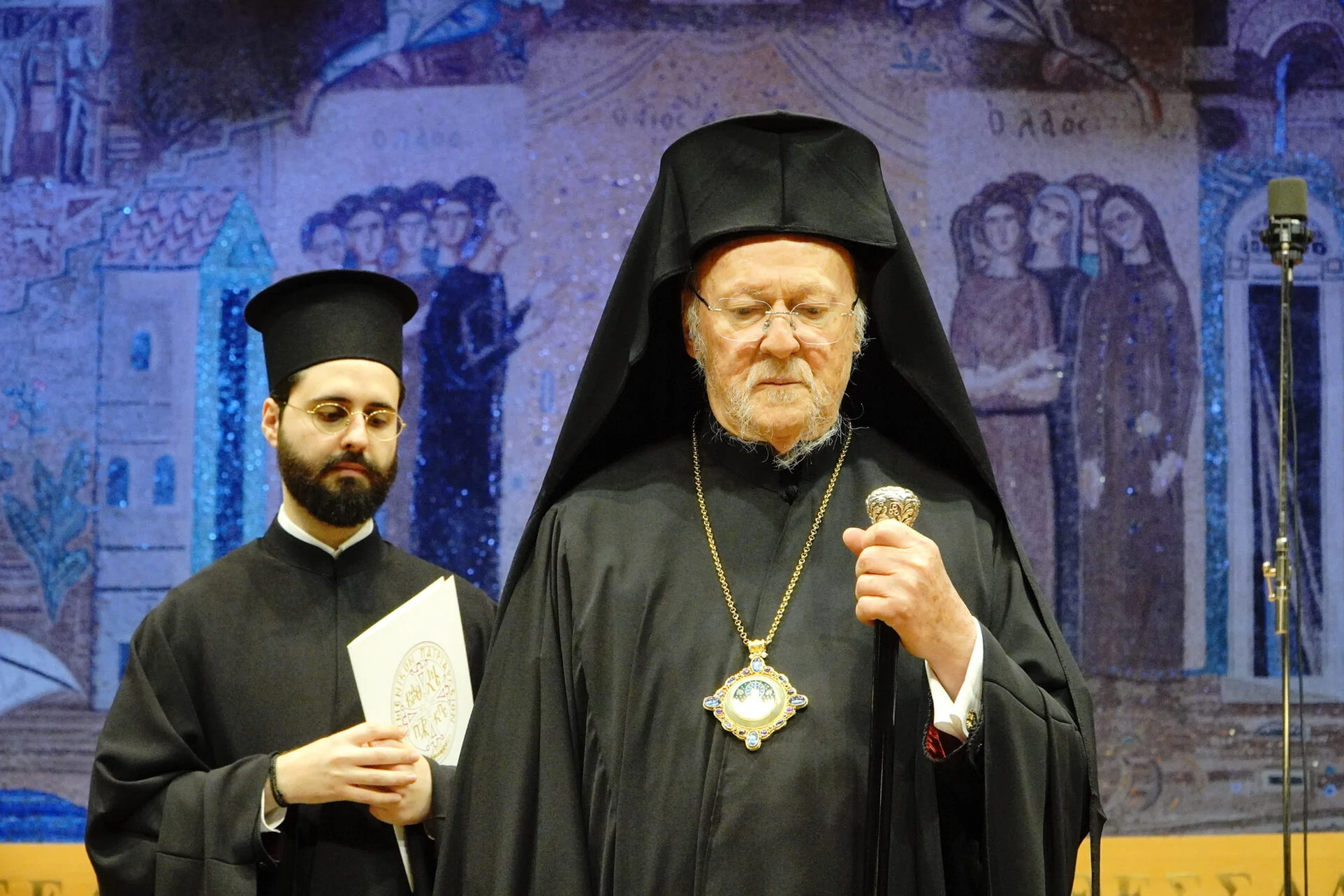
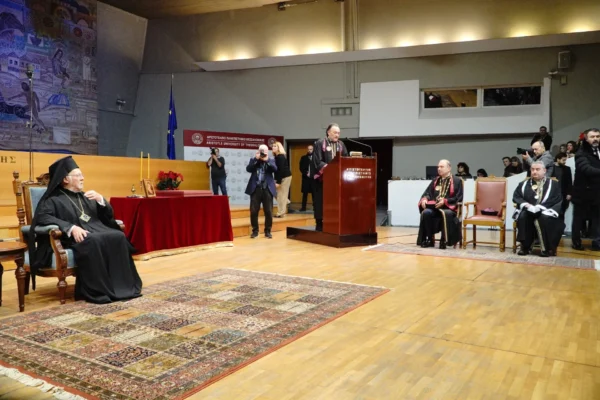
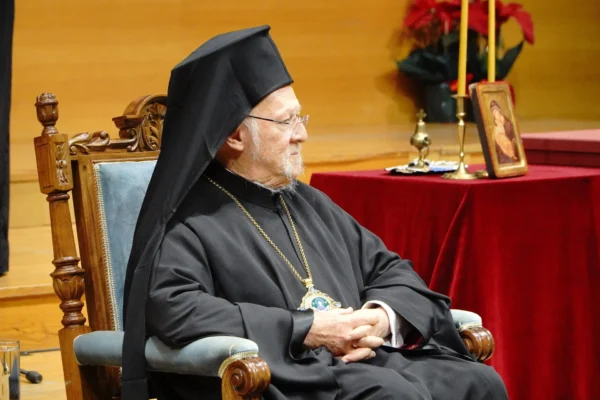
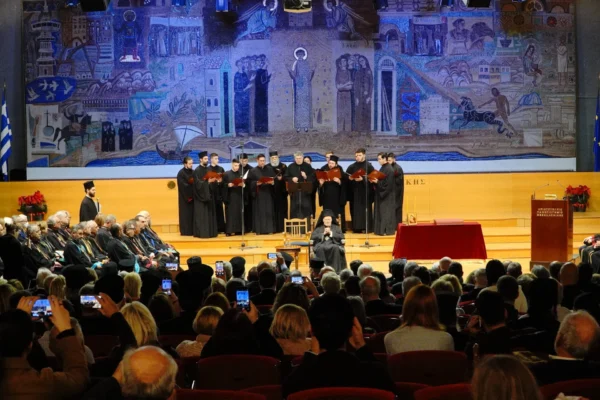
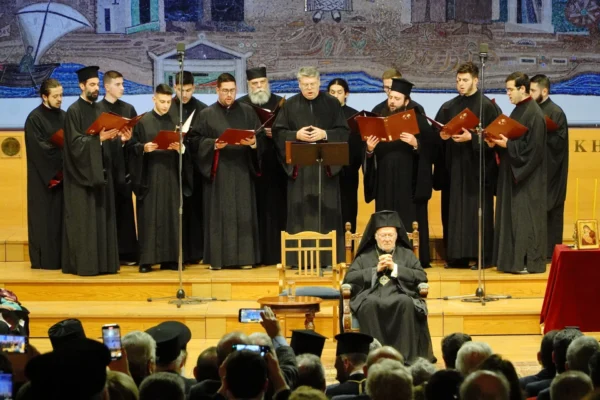
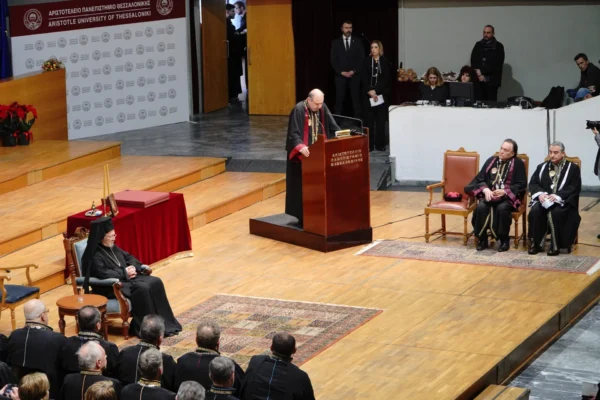
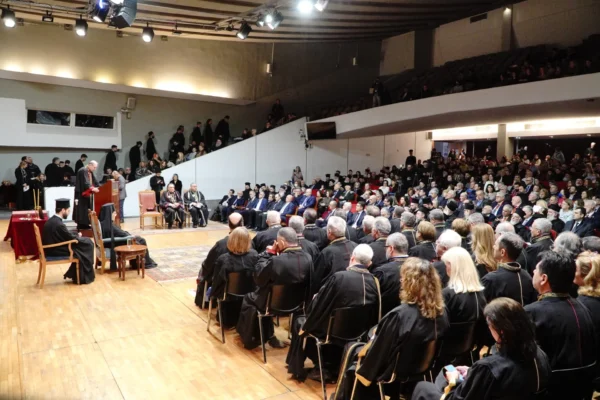
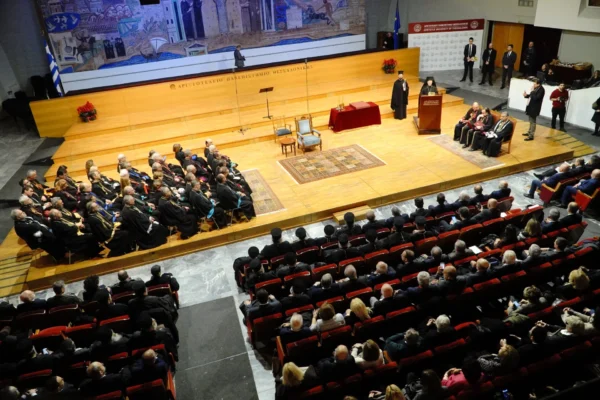
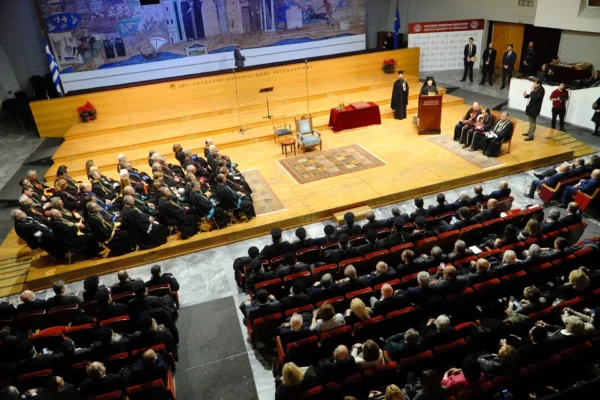
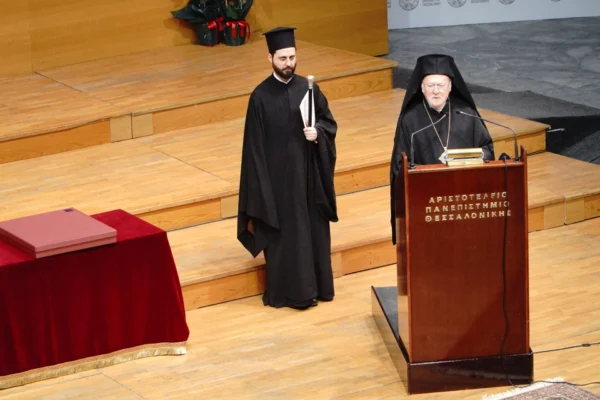
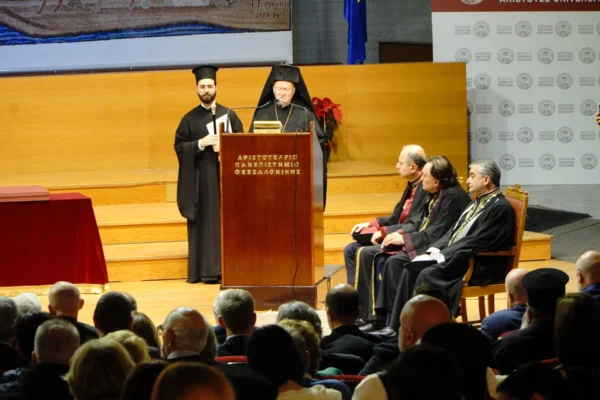
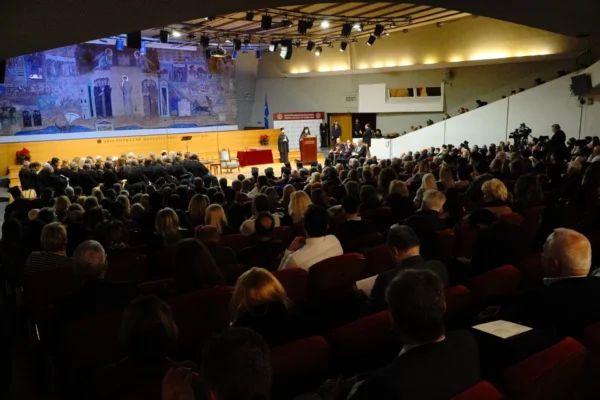
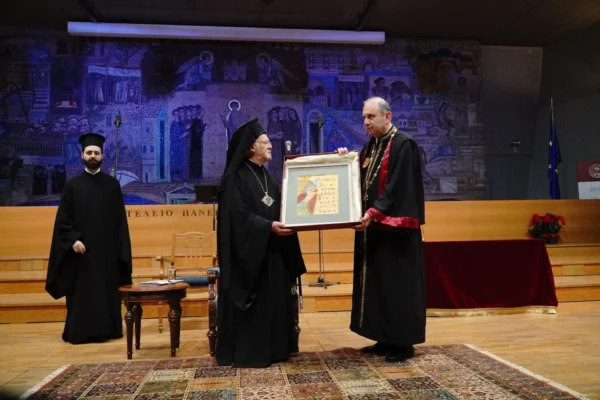
“The outstanding texts of the Three Hierarchs, their theology, piety, ecclesial mindset, anthropological wisdom, and pedagogical ideas, have a striking relevance today,” emphasised His All-Holiness Ecumenical Patriarch Bartholomew, delivering the festive address at the Celebration Ceremony of the Three Hierarchs, held on Thursday, 29 January 2026, at the Aristotle University of Thessaloniki.
The Three Hierarchs, he said at the event held in the Ceremonial Hall of AUTH, succeeded in expressing, in a unique way, the experience of salvation in Christ, using Greek philosophical terminology; and through their spoken and written word, Christianity addressed with confidence the cultural environment that was inseparably bound to the Greek language and education, expressed the Gospel teaching with dynamism, and enriched both theology and Greek philosophy.
“The remembrance of the great Fathers is not a reference to the past, but to an ever-living ecclesial tradition of theory and practice, which illuminates the present and serves as a guidepost for our course into the future,” the Ecumenical Patriarch noted, explaining that a defining characteristic of the spirit of the Three Hierarchs is that education lies at the centre of their thought and action. “Education indeed always presupposes human freedom; it appeals to it and seeks to direct it toward the ‘good.’ There are no automatic processes in the humanisation of the human person. Freedom is always duty, pursuit, and goal—faciendum, not factum,” he underlined.
Observing that the experience of the centuries teaches that the upbringing and formation of the new generation is a difficult and particularly demanding undertaking, His All-Holiness noted that to the inherently complex problems of the pedagogical task there are added today unprecedented, situational difficulties, such as the dominance of new technologies and economic criteria in the field of education.
“The computer is a marvellous tool in the school too; yet it readily imposes its harsh, rigid logic, the transformation of everything, even persons, into data. Turning schools into ‘paradises of new technologies’ does not solve the problem of education. Equally unproductive is the approach and organisation of education exclusively on the basis of economic criteria,” he said.
With regard to the rapid development and global dominance of technological civilisation, he stressed that this does not render insignificant or inactive what we know about the human being, human freedom, and the human condition, since as long as “human nature remains the same,” formation and education will fulfil their human-making role: they will concern survival and the good life, knowledge and faith, the appropriation of tradition and our contribution to civilisation, living together with our fellow human beings and civic life, personal responsibility and the giving of meaning to existence, representing, that is, what the human person “ought to become.”
In this context, Bartholomew recalled that the Holy and Great Council of the Orthodox Church declared that “scientific knowledge does not activate the moral will of the human being, who, although he knows the dangers, continues to act as though he did not know them.”
“Spirituality and responsible freedom do not develop automatically and in parallel with scientific training and technical expertise. What is required is ethical and religious formation, an education in spiritual values, which will draw from the inexhaustible source of the faith, ethos, and culture of Orthodoxy,” he stressed, explaining that in our era, when scientific knowledge and technology are the great power that radically changes life in all its aspects, and artificial intelligence creates a deep and unprecedented rupture in the history of civilisation, religious faith emerges as the other “great power,” representing what the human person “cannot give to himself,” as well as the truth that the human person is always more than what science can grasp; and on this basis “the progress of science and technology appears as a revelation of power, but also of the limits of human knowledge.” In this framework, he concluded, religious faith and theology recognise the power of scientific knowledge, “while at the same time emphatically pointing beyond knowledge.”
“Education is not only a matter of knowledge, but primarily relationship, responsibility, and a way of life. Saints Basil the Great, Gregory the Theologian, and John Chrysostom were teachers who knew deeply the science and philosophy of their time, but at the same time taught by their personal example that true knowledge is illumined and completed by spiritual cultivation and gains meaning only when it serves the human person,” stressed the Rector of AUTH, Professor Kyriakos Anastasiadis, in his greeting.
Addressing the Patriarch, he noted that the Patriarch’s participation in the celebration at AUTH “gives it particular weight and high symbolism, since the feast of the Three Hierarchs is a timeless point of reference for Greek and universal education.”
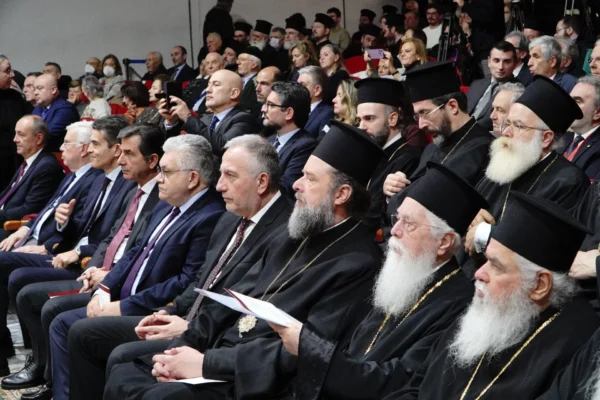
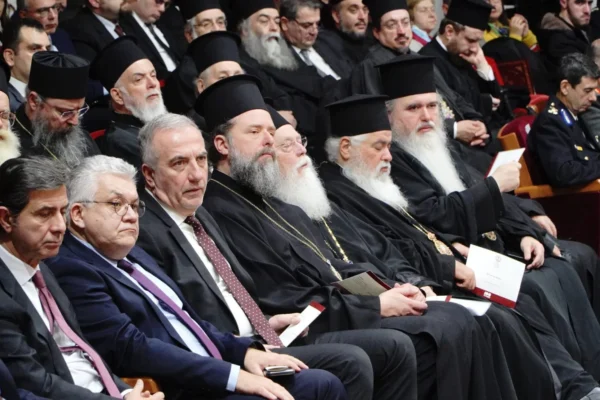
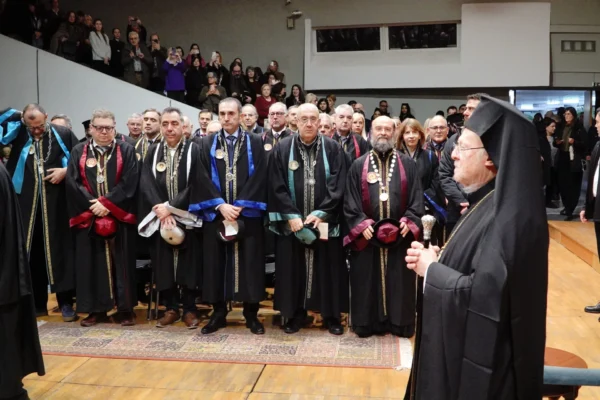
At the event, which concluded with the cutting of the University’s Vasilopita—there were present representatives of the Greek government, parliament, political parties, local government, the armed forces, the hierarchy, and the university community of AUTH. Greetings were delivered by Deputy Minister of Education, Religious Affairs and Sport Nikos Papaioannou; Deputy Minister of the Interior (Macedonia–Thrace sector) Konstantinos Gioulekas; and Deputy Minister of Development Stavros Kalafatis.
H αναδημοσίευση του παραπάνω άρθρου ή μέρους του επιτρέπεται μόνο αν αναφέρεται ως πηγή το ORTHODOXIANEWSAGENCY.GR με ενεργό σύνδεσμο στην εν λόγω καταχώρηση.
 Ακολούθησε το ORTHODOXIANEWSAGENCY.gr στο Google News και μάθε πρώτος όλες τις ειδήσεις.