Ecumenical Patriarch’s appeal for the protection of civilians and the immediate cessation of hostilities in Ukraine
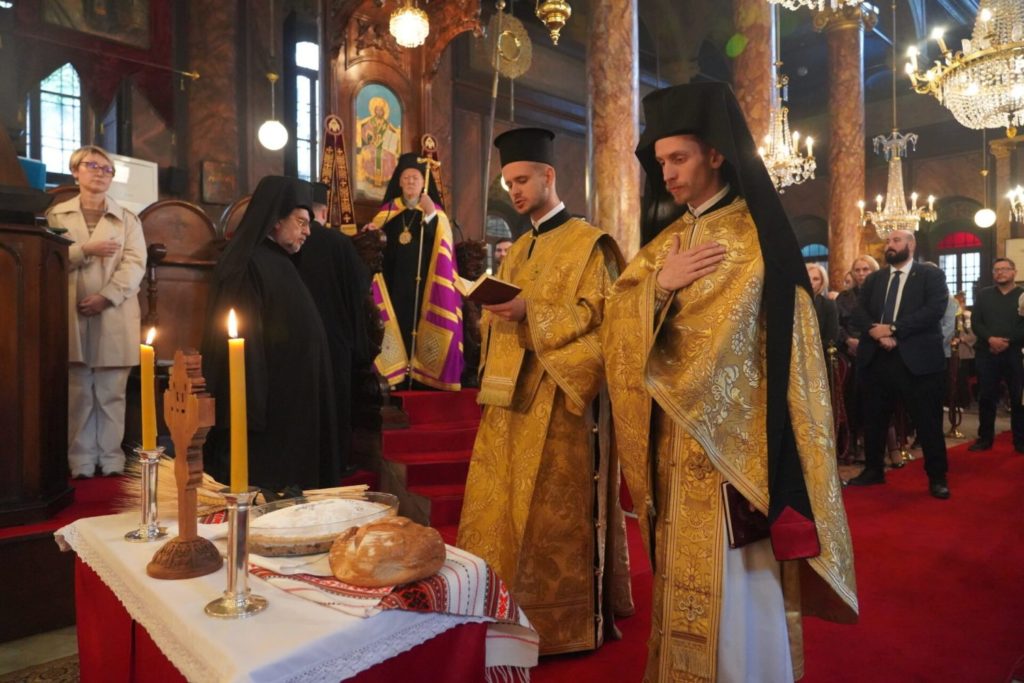
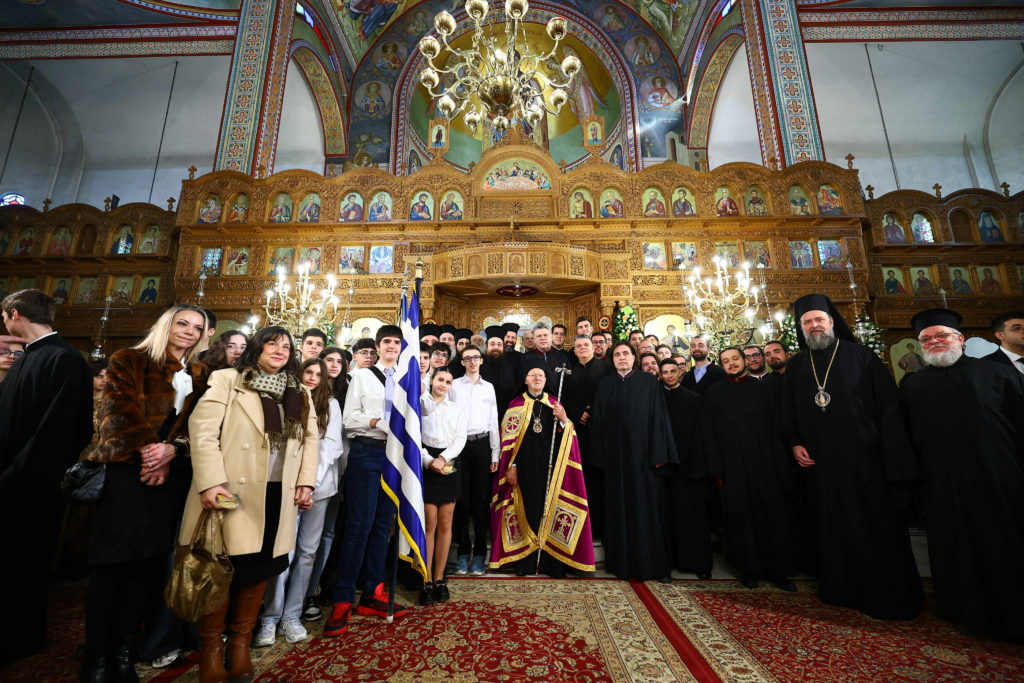
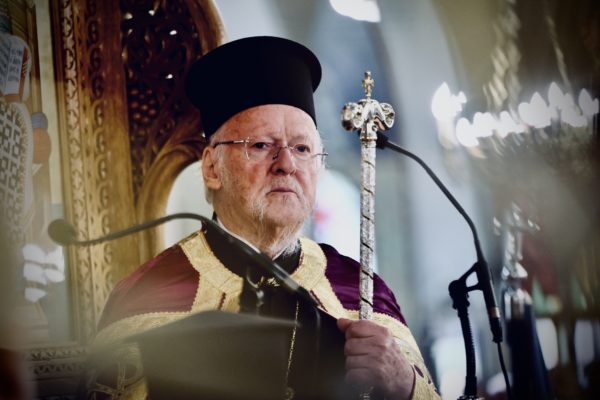
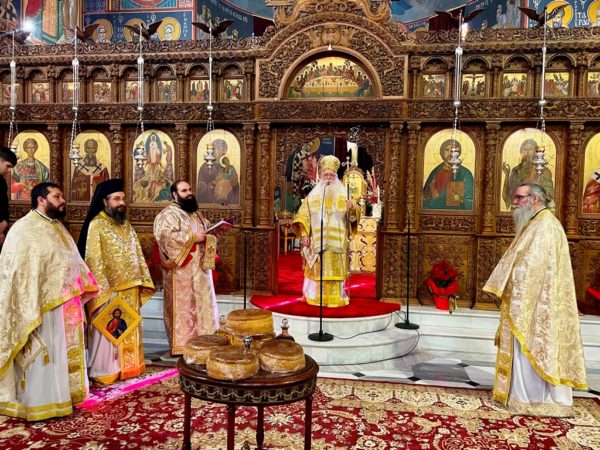
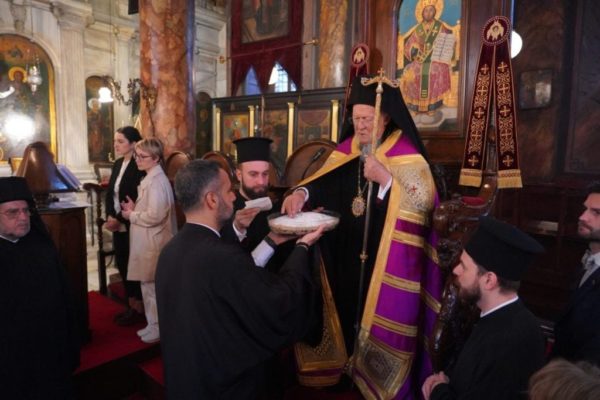
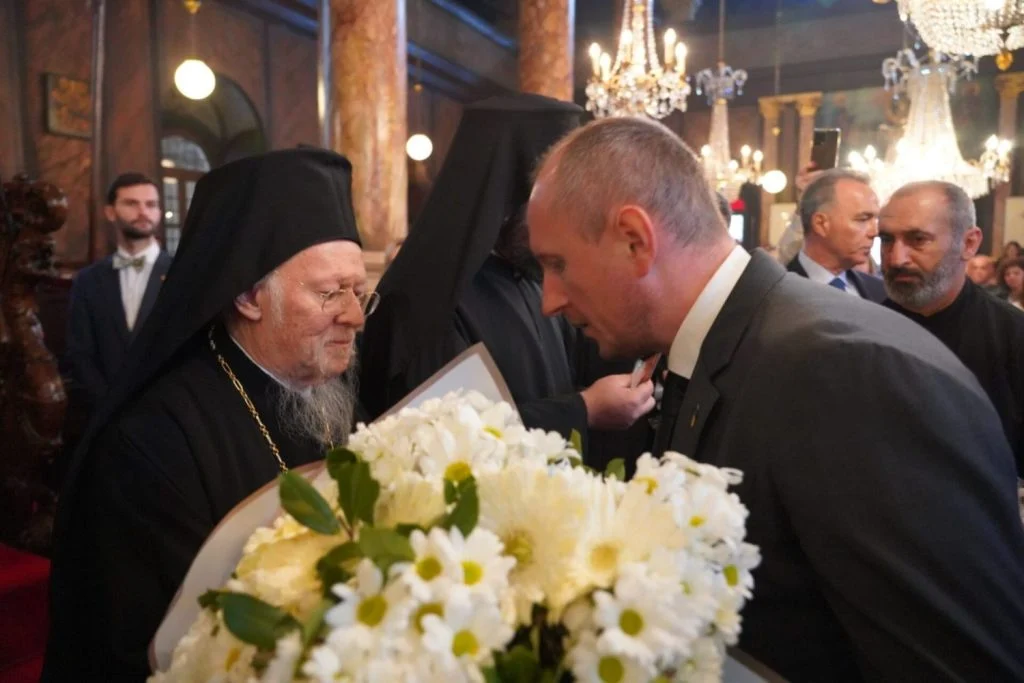
An appeal for the protection of civilians, the dignified treatment and release of prisoners of war, the safe return of displaced children, and the immediate cessation of hostilities in Ukraine was made by the Ecumenical Patriarch Bartholomew, following the Divine Liturgy over which he presided on Saturday, 22 November 2025, at the Church of St. Nicholas of Jivali, at the conclusion of which a memorial service was held for the victims of the “Holodomor” [1932–1933], the induced famine crisis in Ukraine during which millions of people lost their lives, as well as for the victims of the ongoing war in that country.
Specifically, His All-Holiness Ecumenical Patriarch Bartholomew referred to the tragedy of the Holodomor, reminding that it was not a natural disaster but a deliberate and systematic assault on human life and dignity. The annual commemorations, the Patriarch said at another point, are a moral imperative; they bear witness to humanity’s living conscience, which refuses to forget the sufferings of an entire nation that was deprived of food in an attempt to destroy it.
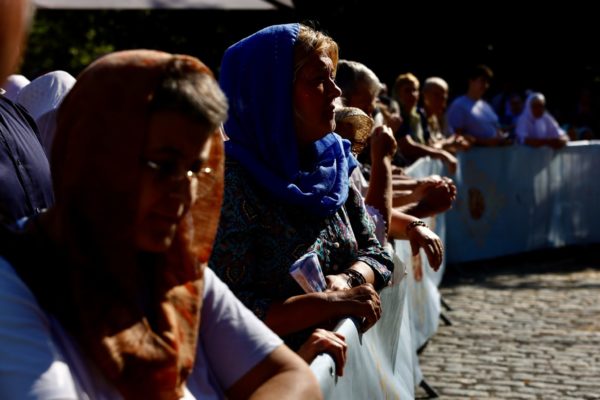
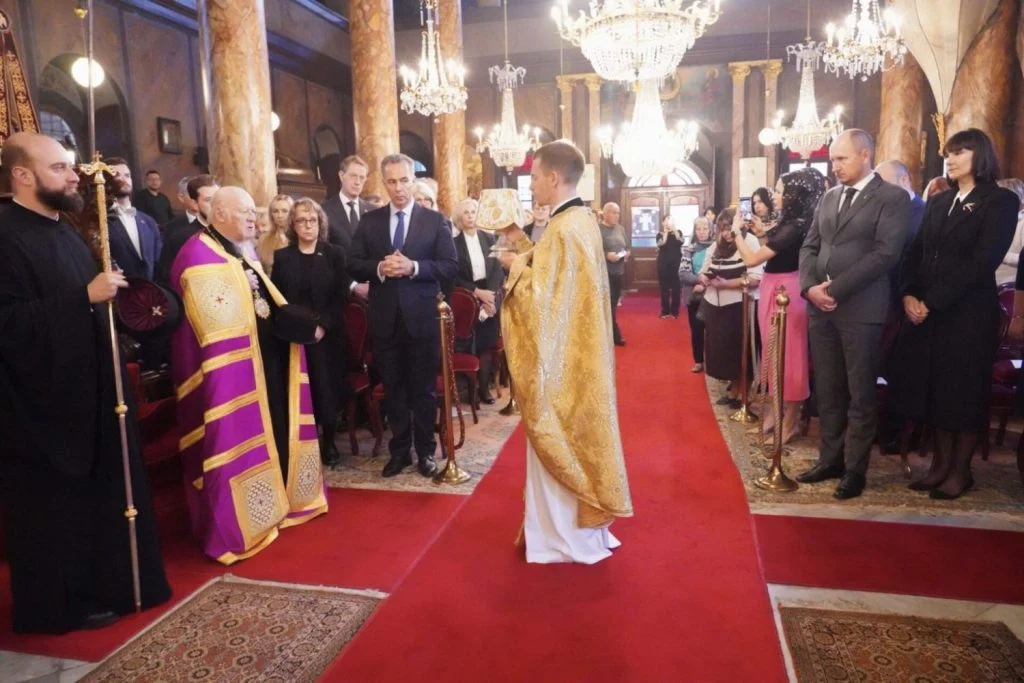
Addressing members of the Ukrainian Community, as well as a group of Ukrainian women from Mariupol whose husbands, brothers, or children are missing or held captive, the Ecumenical Patriarch also spoke about the present tragic period experienced by the Ukrainian people as a result of the Russian invasion. He made special mention of the relatives of the missing and the prisoners, and also of the countless abducted children who, as he said, must return to the safety and warmth of their families.
“These are not political issues; they are tragedies that speak directly to the conscience of the Church and our shared civilization. In every person who suffers, we see the face of Christ,” said the Ecumenical Patriarch, stressing that the Ukrainian people continue to show admirable endurance, patience, and devotion to life.
“They struggle to protect their country, safeguard their families, and rebuild what has been damaged. Every sovereign State, according to the principles of international law and moral order, has the right to chart its own course and secure its stability. Ukraine is no exception. The Holy Great Church of Christ, the Mother Church of the Ukrainian people, cannot remain unmoved by their anguish. Our concern is pastoral, not strategic, but profoundly spiritual. As the Apostle Paul teaches: ‘If one member suffers, all suffer together; if one member is honoured, all rejoice together’ (1 Cor. 12:26). This divine teaching obliges us to solidarity, compassion, and moral clarity.”
Elsewhere in his address, he emphasised that “peace must be founded on truth, respect, and the recognition of human dignity,” and called upon “world leaders, diplomats, and all people of good will to insist on sincere dialogue, uphold humanitarian principles, and work with determination to secure a future in which freedom and sovereignty are inviolable.”
Earlier, the Consul General of Ukraine in the City, Mr. Roman Nedilskyi, delivered brief remarks.
Present were Ambassador Mr. Konstantinos Koutras, Consul General of Greece; the Consuls General of Canada, Mr. Britton; Montenegro, Mr. Branislav Karadzic; Sweden, Ms. Karin Hernmarck; the Netherlands, Mr. Daan Huisinga; and Moldova, Mr. Sergiu Gurduza; the Deputy Consul General of Romania, Mr. Martin Graf; and the Consuls of Poland, Ms. Joanna Szymańska, and Belgium, Mr. Martin Duruisseau, Deputy Head of Mission, as well as a large number of faithful from the Ukrainian community and pilgrims from Greece.
Address of the Ecumenical Patriarch Bartholomew at the 92nd Commemoration of the Holodomor
Θεοφιλ. Επίσκοπε Αλικαρνασσού κ. Αδριανέ,
Reverend Clergy,
Your Excellencies, Honourable Consuls General,
Distinguished guests,
Beloved brothers and sisters,
As is our annual practice, we gather in this Holy Temple of Saint Nicholas to honour the memory of the millions of innocent men, women, and children who perished during the artificial famine known as the Holodomor—the deliberate “death by forced starvation” inflicted upon the Ukrainian people between 1932 and 1933.
This yearly commemoration is not merely a ritual. It is an act of truth; it is a moral imperative. It is the living conscience of humanity refusing to forget the suffering of an entire nation, deprived of sustenance in an attempt to extinguish its future.
The Holodomor was not a natural calamity. It was a deliberate and systematic assault on human life and God-given dignity. Even in years of rich harvests, food was confiscated, information suppressed, and whole regions abandoned to a merciless ideology that denied the spiritual worth of the human person. It was an attack not only upon the body, but upon the inner life of a people, whose trust in God and devotion to one another were targeted with cruelty.
As Christians, we affirm that “where the Spirit of the Lord is, there is freedom” (2 Cor. 3:17). Authentic freedom is not inherently political; it is the atmosphere in which every person can live in righteousness, with a clear conscience, and in communion with God. When that freedom is violated and truth is obscured, the moral foundations of society are shaken.
Nearly a century after that dark chapter, Ukraine once again endures the wounds of conflict. Cities continue to suffer repeated bombardments, families are displaced, and the elderly, the poor, and the infirm bear heavy burdens. Many face a winter with fragile energy systems. Others live with the uncertainty of loved ones missing in action or held as prisoners of war. We grieve also for the countless children who have been forcibly taken from their homeland—children who deserve safety, identity, and the embrace of their families.
These are not political matters; they are tragedies that speak directly to the conscience of the Church and our shared civilization. In every person who suffers, we see the face of Christ.
And yet, amid hardship, the Ukrainian people continue to show remarkable fortitude, patience, and a commitment to life. They strive to protect their country, safeguard their families, and rebuild what has been damaged. Every sovereign state, according to the principles of international law and the moral order, has the right to chart its own path and secure its stability. Ukraine is no exception.
The Holy Great Church of Christ, Mother Church of the Ukrainian people, cannot remain unmoved by their anguish. Our concern is pastoral, not strategic, but profoundly spiritual. As Saint Paul teaches: “If one member suffers, all suffer together; if one member is honoured, all rejoice together” (1 Cor. 12:26). This divine instruction compels us to solidarity, compassion, and moral clarity.
For this reason, we raise our voice in appeal. From this sacred space—the spiritual home of the local Ukrainian community—we call for the protection of civilians, for the humane treatment and release of prisoners of war, for the safe return of displaced children, and for an immediate cessation of hostilities. The Holy and Great Council of the Orthodox Church on Crete in 2016 affirmed that “the Church of Christ condemns war in general as a consequence of evil and sin in the world.” This teaching remains vital today, for violence can never bring true unity, and injustice cannot produce lasting peace.
Peace must be grounded in truth, respect, and the recognition of human dignity. It must defend the vulnerable, secure the future of families, and allow every nation to flourish without fear. It must offer hope to those who remain within Ukraine and to those who have sought refuge abroad, many of whom worry about the demographic and social fabric of their homeland. Therefore, we call upon world leaders, diplomats, and all people of goodwill to persist in earnest dialogue, uphold humanitarian principles, and work with determination to secure a future in which liberty and sovereignty are inviolable.
The memory of the Holodomor also warns us against the manipulation of basic necessities. In the past, entire populations were deprived of food; today, whole cities risk losing access to heat, electricity, and essential services. Whenever fundamental needs are used to weaken a people’s spirit, we encounter a grave moral failing that every conscience must reject.
Beloved friends,
The remembrance of the Holodomor calls us to defend the sanctity of human life. As the Psalmist commands: “Defend the weak and the fatherless; uphold the cause of the poor and the oppressed. Rescue the weak and the needy” (Ps. 82:3–4). Our commemoration is therefore a pledge: that never again will hunger be used as a weapon; never again will truth be silenced through fear; and never again will the dignity of a people be trampled by tyranny.
We bow before the memory of the victims of the Holodomor. We embrace the Ukrainian people with paternal affection. We pray for the healing of wounds—visible and invisible—and for the restoration of concord, stability, and wholeness to their nation.
May the Lord of mercy grant rest to the departed, comfort to the afflicted, wisdom to leaders throughout the globe, and compassion to every heart. May He strengthen us always to stand on the side of truth, justice, and peace.
May their memory be eternal.
Photographs: Nikos Papachristou
H αναδημοσίευση του παραπάνω άρθρου ή μέρους του επιτρέπεται μόνο αν αναφέρεται ως πηγή το ORTHODOXIANEWSAGENCY.GR με ενεργό σύνδεσμο στην εν λόγω καταχώρηση.
 Ακολούθησε το ORTHODOXIANEWSAGENCY.gr στο Google News και μάθε πρώτος όλες τις ειδήσεις.