Splendid Celebration of the 318 Fathers and Fortieth Anniversary in Shrewsbury
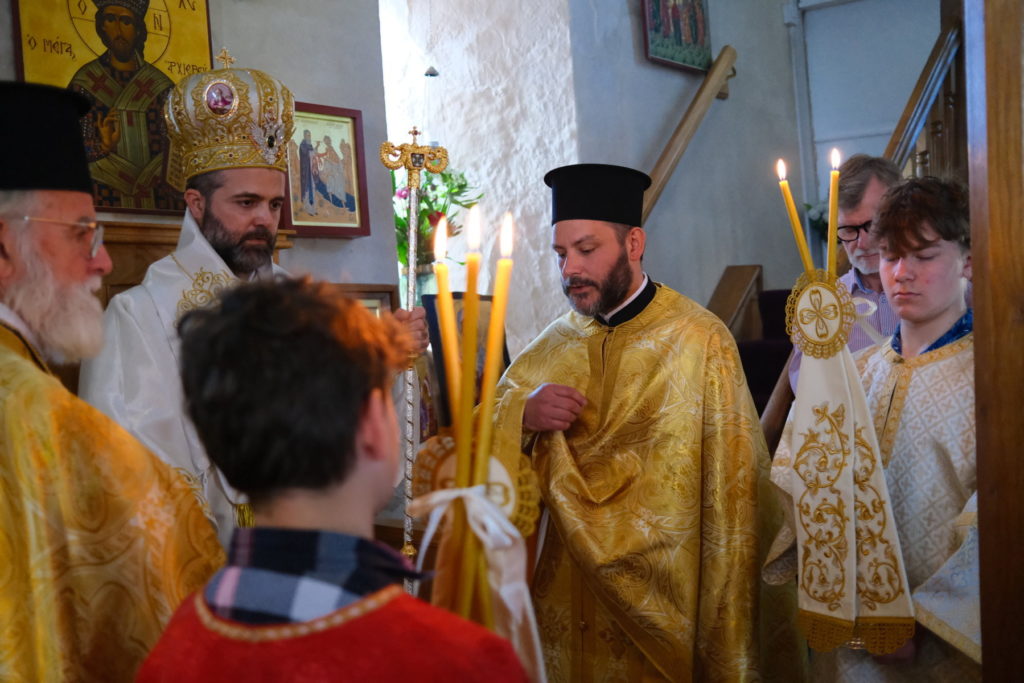
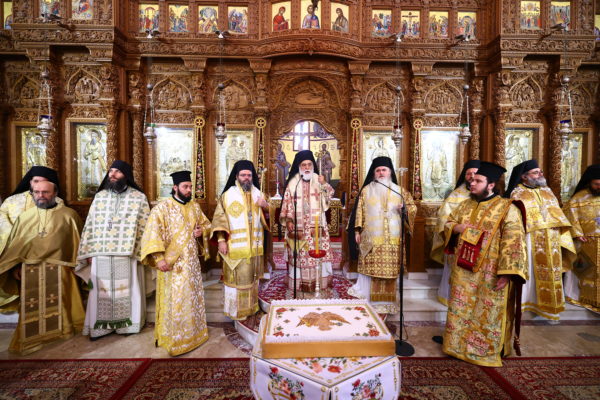
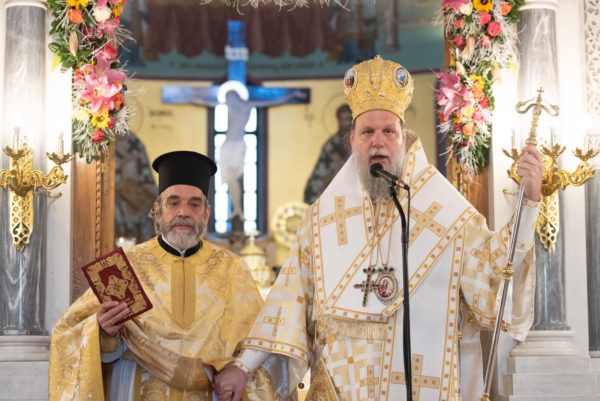
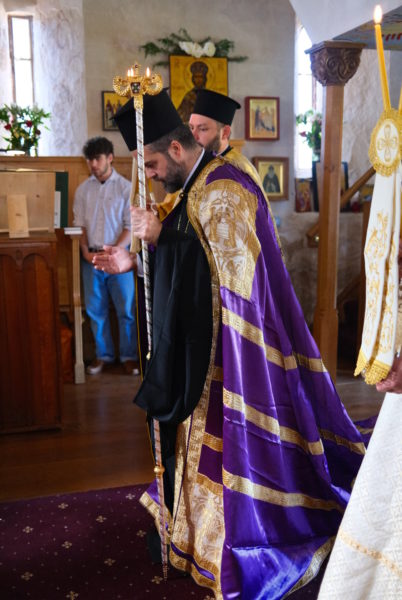
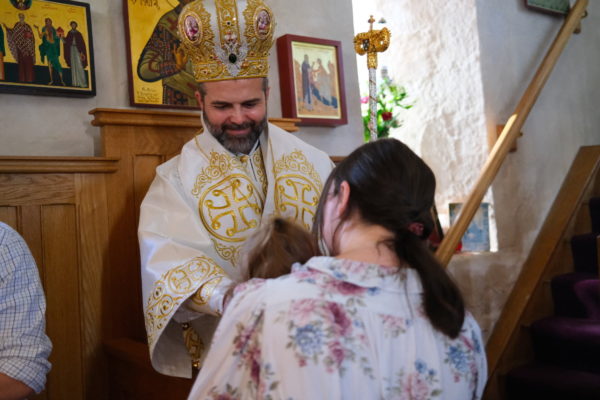
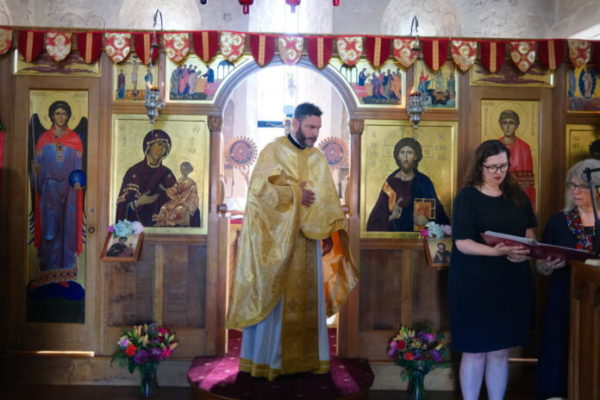
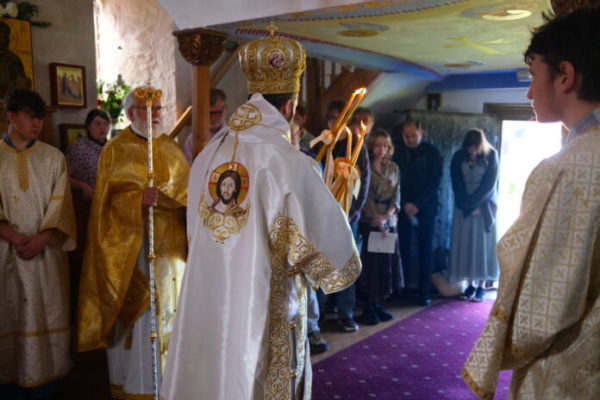
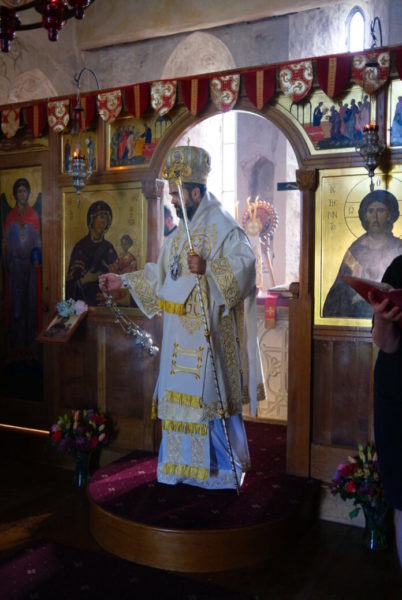
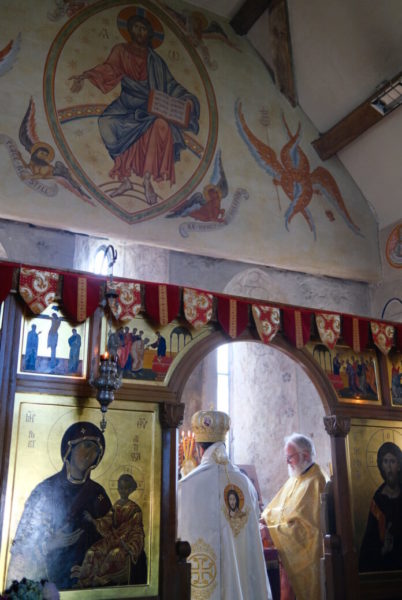
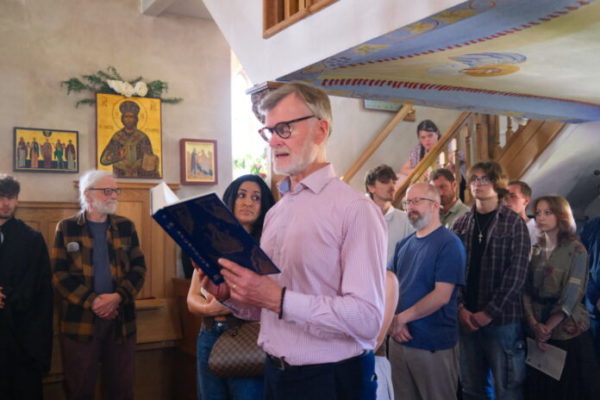
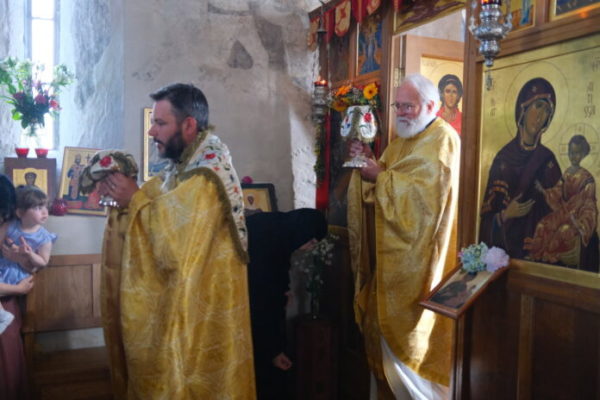
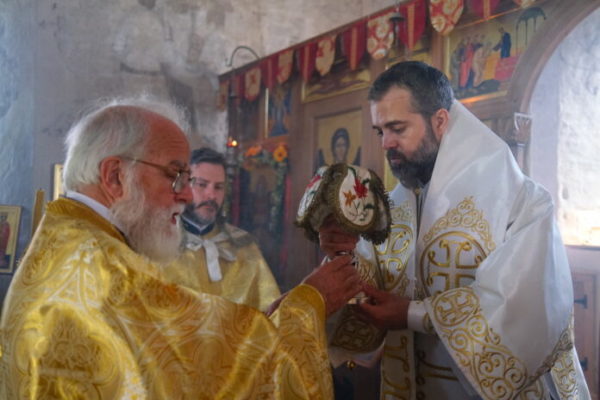
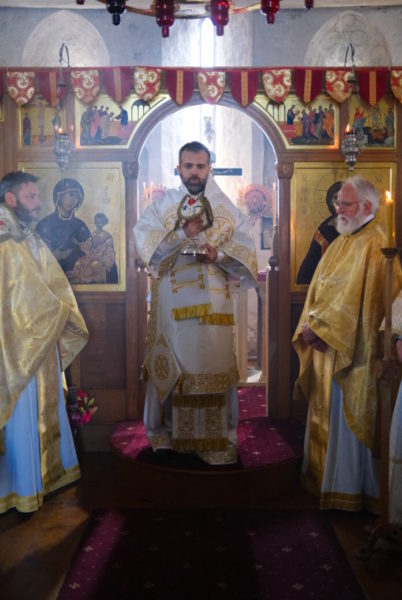
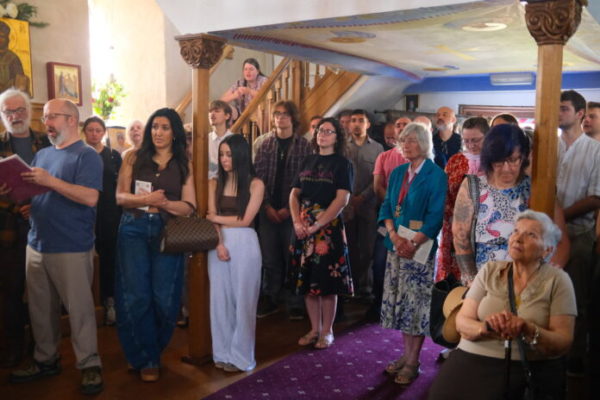
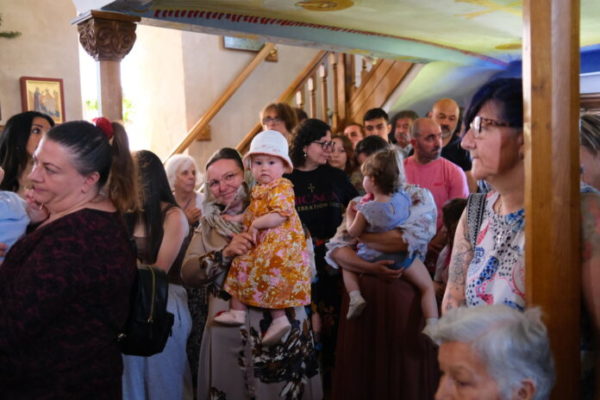
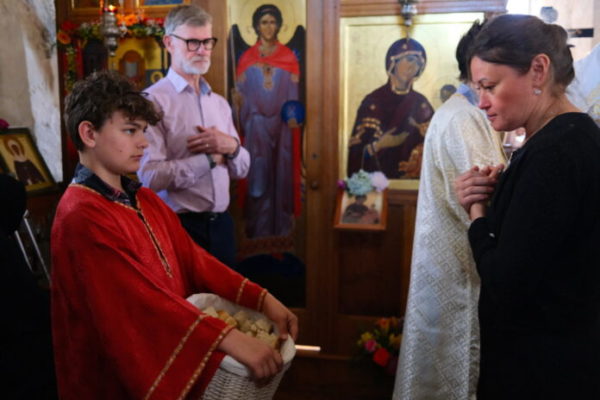
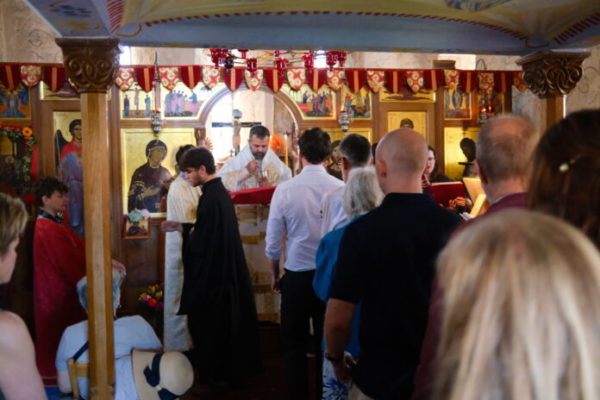
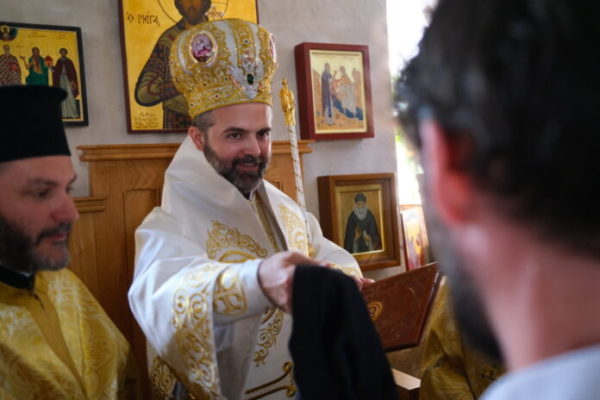
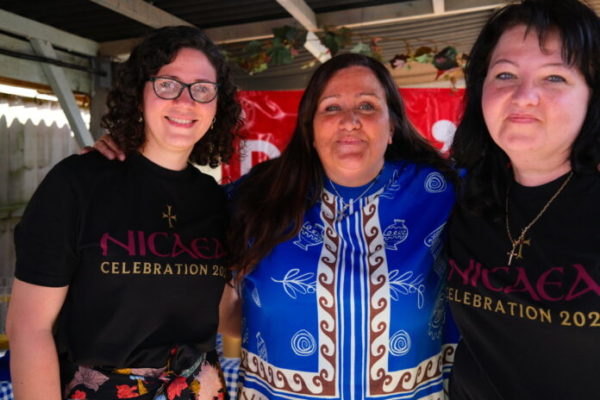
On the Sunday of the 318 Holy and God-bearing Fathers of the First Ecumenical Council, 24 May 2026, His Grace Bishop Maximos of Melitene officiated at Matins and presided over the Divine Liturgy at the celebrating holy church of the same name in the town of Shrewsbury in central England. About the holy altar, concelebrating with His Grace were the Very Reverend Protopresbyter Fr Stephen Maxfield and the Reverend Presbyter Fr Panteleimon Maxfield, whilst a multitude of the faithful, in order to participate in the Eucharistic synaxis, flooded the interior spaces from early on. It is worth mentioning, incidentally, that the parish in question constitutes the first founded in the wider region forty years ago upon the initiative of Fr Stephen.
During the ministry of the divine word, His Grace exhaustively analysed the meanings of the High Priestly Prayer of Jesus, conveying the message of the day to the Christ-named plenitude. Occasioned by his presence in this historical church, he characteristically underlined, addressing the congregation: “About the holy table, the grace of the All-Holy Spirit gathers us together on this present blessed day, honouring the memory of the holy and God-bearing 318 Fathers of the First Ecumenical Council.” Following this, the presiding Hierarch, analysing the transcendent love of the Redeemer, focused upon the profoundly consolatory dimension of His intercession, operating palpably as an eminently soteriological event.
At another point of his theological analysis, the Bishop concentrated upon the true, incorruptible majesty, absolutely identified by the God-man with the voluntary martyrdom of the cross. His plea unto the Father, he observed with emphasis, “Glorify thy Son, that thy Son also may glorify thee” (John 17:1), becomes at precisely that hour a living reality in the life of Christians. For the protection of the flock, His Grace extolled the conciliar struggle of the Hierarchs of Nicaea against the destructive heresy of Arius, connecting this heavenly radiance with their honoured memory. He invited, simultaneously, the faithful to cultivate genuine ecclesiastical bonds through mutual forgiveness.
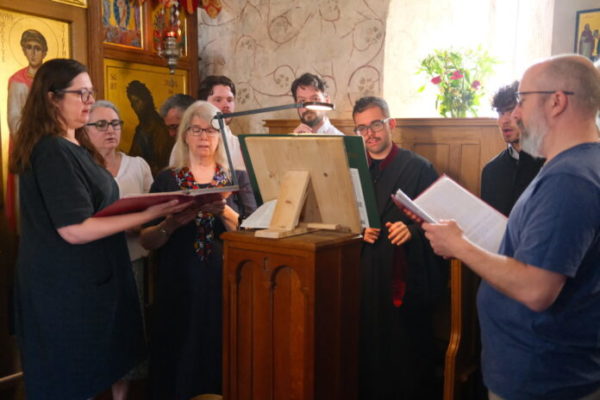
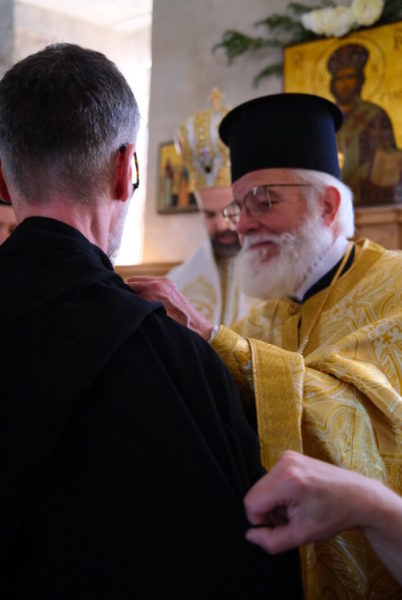
In conclusion, His Grace Bishop Maximos of Melitene conveyed unto the priests of the community, Fr Stephen and Fr Panteleimon, as well as unto the assembled congregation, the warm wishes and the paternal love of His Eminence Archbishop Nikitas of Thyateira and Great Britain. Prior to the dismissal of the Divine Liturgy, within a climate of spiritual joy, His Grace tonsured two new readers ministering with piety at the analogion of the parish. Subsequently, a special honorary event was held for the Very Reverend Protopresbyter Fr Stephen Maxfield, upon the occasion of the completion of forty years since the foundation of the Orthodox community in the specific town. His cordial congratulations for this protracted ministry the Bishop in parallel expressed, praising likewise the son according to the flesh of the honouree, Fr Panteleimon, continuator of the priestly tradition in the second parish of the town, dedicated unto Saint Juliana.
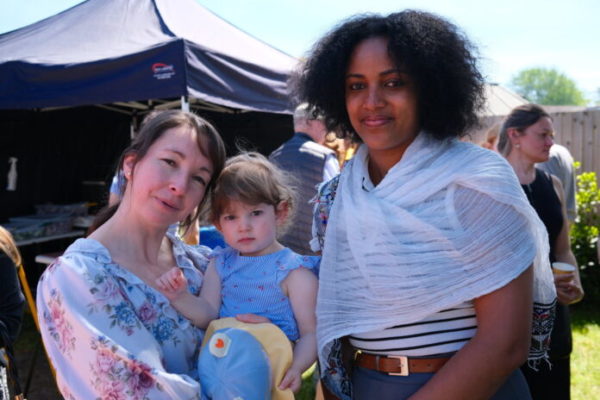
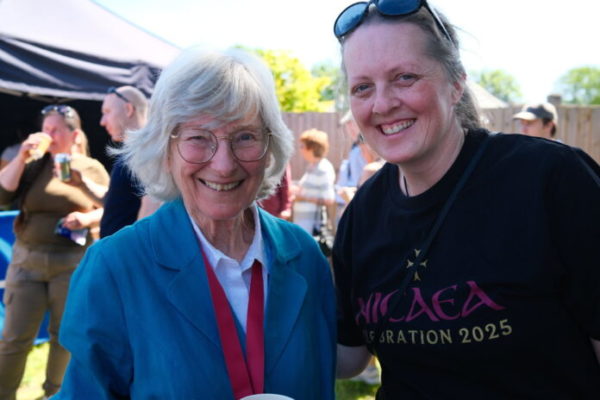
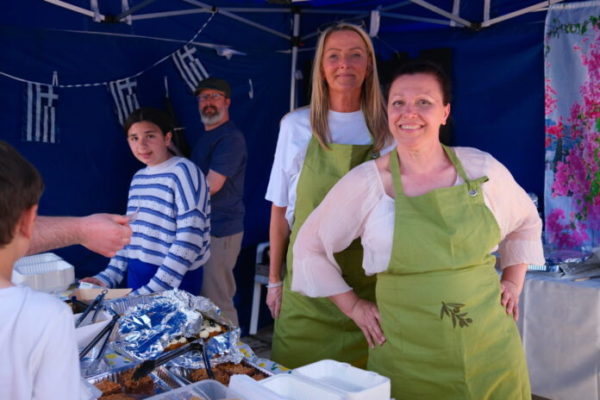
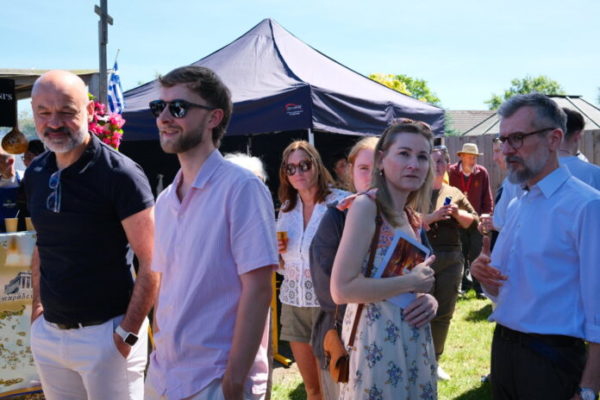
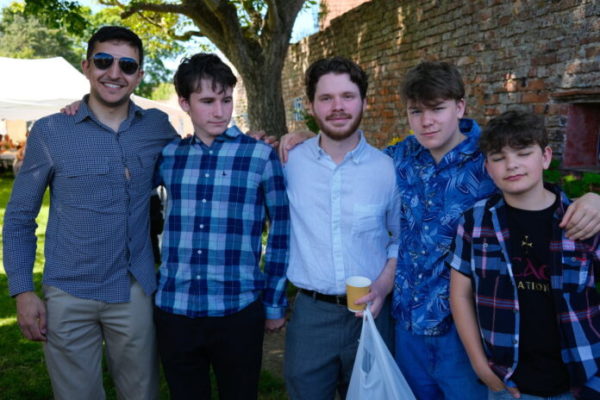
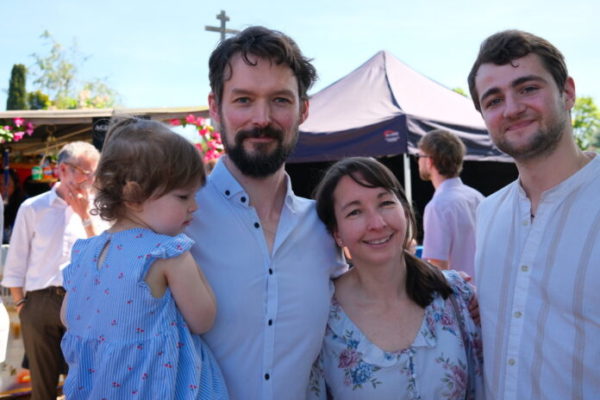
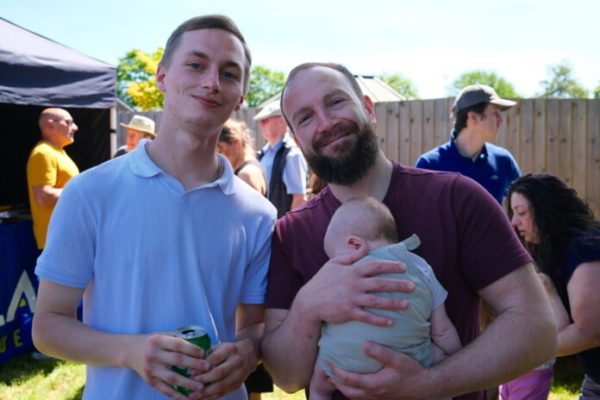
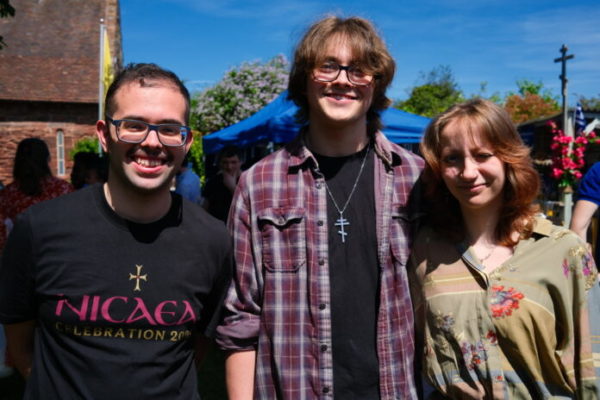
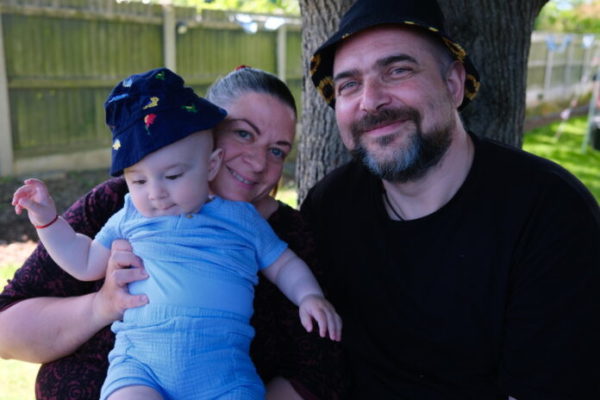
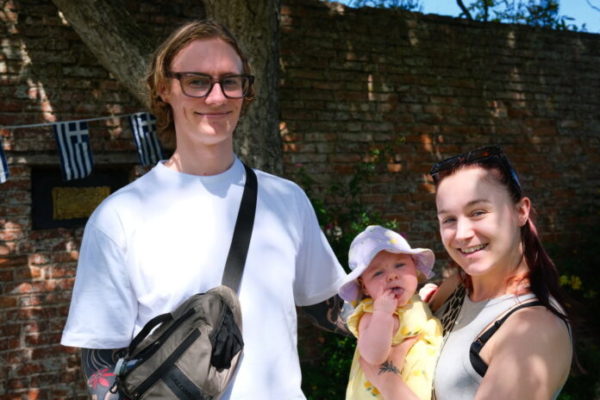
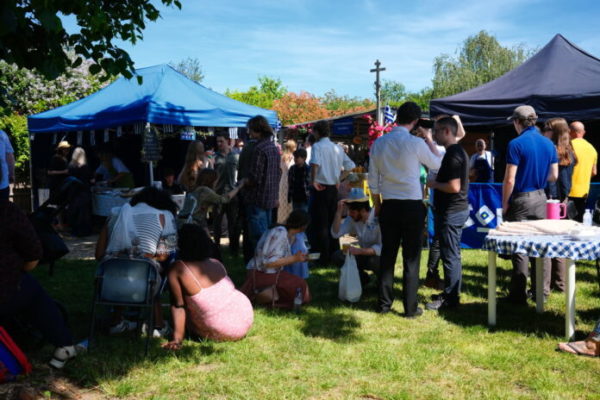
With manifest satisfaction at the rich fruits of the pastoral endeavours, the presiding Hierarch expressed profoundest joy, discerning the continually increasing number of the congregation. Many, moreover, of the new faithful, originating from the wider local populace, embrace the Orthodox faith, incorporating themselves fervently into the liturgical life. The blessed worshipping synaxis was sealed through the provision of a festal meal unto all those present in the courtyard area of the community.
The entirety of the sermon of His Grace:
The grace of the All-Holy Spirit gathers us this sacred day around the holy altar, honouring the memory of the Holy and God-bearing 318 Fathers of the First Ecumenical Council. I deposit my deepest joy as thanksgiving before the Lord, finding myself once again among you in this beautiful and historic church bearing their name in the lovely town of Shrewsbury. The evangelical pericope of John, therefore, which has just resounded beneath these vaults, introduces us directly into the inner sanctuary of the divine economy, handing over to us the High Priestly Prayer of Jesus. As the hour of the cross approaches, the Master of the world lifts His gaze to heaven and opens His heart. Transcendent love descends to the historical plane of mortal contrition, sealing the course of mankind with words that surpass worldly reason.
Christ fully externalises His utmost agony for the future of the Church and for the course of the disciples within the millstones of history through the verses of this prayer. This communication with the Father abandons the narrow limits of a private conversation, transforming into a supreme act of salvation. In view of the end of His earthly journey, the words of the Saviour function in an absolutely consoling manner for the terrified souls of the apostles. They hand down the final spiritual legacy to the men soon to face the darkness of Golgotha. The holy evangelist John, penetrating into the core of theology, calls us imperatively to gaze upon every hour of our own life, every seemingly trivial moment, or, in truth, the very flow of our personal time, as the absolute “last hour”. The present emerges as the unique place of palpable encounter with the uncreated God. Explanations for an idealised tomorrow that perhaps may never dawn are left entirely behind.
Around the concept of earthly prestige, the vocabulary of the world has woven characteristics of power, imposition and absolute authority. The pages of the Gospel, however, reveal the incomprehensible paradox of our faith. The God-man absolutely identifies true, incorruptible exaltation with the scandalous event of the cross and the voluntary, bleeding sacrifice. The Lord is glorified precisely there, nailed to the wooden scaffold, naked, wounded, forsaken by the multitude He had previously benefited. His entreaty “glorify thy Son, that thy Son also may glorify thee” (John 17:1) rends the heavens. This divine radiance becomes historical reality at the hour when the salvific work is completed existentially in the life of the faithful. Precisely there, in the obscurity of life, rests the light of the Godhead.
As one pierces through the sacred text, His overriding concern for the concord of the believers emerges as the most central core of the supplication. This burning plea is connected with the memory of the 318 Fathers. Those Fathers, many still bearing on their bodies the fresh marks of the Roman persecutions, wrestled against the destructive heresy of Arius. The heterodoxy threatened to dissolve the fabric of the faith, voiding the divinity of the Word, and thus nullifying the very possibility of the deification of man. Historically, the Church treats division, the fragmentation of the ecclesiastical body, heretical deviations and individual entrenchments as the most corrupting temptation. The Fathers synodically pinpointed doctrinal error to protect the flock, whilst each of us is called to personally crush pharisaism in the crypt of his own conscience, there where the applauders are absent.
The patristic tradition strictly equates unfeigned ecclesiological cohesion with fidelity to the loving function of the communion of persons. Within the common chalice of the Eucharist, beyond worldly barricades, the walls are dissolved. We make our brother our own, with his weaknesses, with his own particular mode of expression, recognising in his person the image of the Creator. The Spirit of God respects our particular characteristics, assuming and sanctifying them, to forge each of us into an irreplaceable member of the community.
This true solidarity of life maintains an absolutely dynamic and asymmetrical character. This reality exists far beyond theoretical constructs and formal ideological identifications, constituting instead a continuous, martyric challenge. This trial, as a matter of fact, is continually won with sweat, is conquered through mutual forgiveness, is tested harshly within the roughness of history and is built tessera by tessera within the telling of our days. I convey to the beloved priests of this community, Fr Stephen and Fr Panteleimon, as well as to the entire congregation of this church, the warm wishes and the love of His Eminence Archbishop Nikitas of Thyateira and Great Britain.
Dear Christians, the High Priestly Prayer of Christ, piercing the dense darkness of the centuries, continues to vibrate the foundations of our existence. It relentlessly poses the question of our own consent. The weight of personal responsibility for the unity of the Church hovers silently above our choices.

H αναδημοσίευση του παραπάνω άρθρου ή μέρους του επιτρέπεται μόνο αν αναφέρεται ως πηγή το ORTHODOXIANEWSAGENCY.GR με ενεργό σύνδεσμο στην εν λόγω καταχώρηση.
 Ακολούθησε το ORTHODOXIANEWSAGENCY.gr στο Google News και μάθε πρώτος όλες τις ειδήσεις.