The Feast of the Holy Spirit at the Russian Ecclesiastical Mission (Missia) in Jerusalem
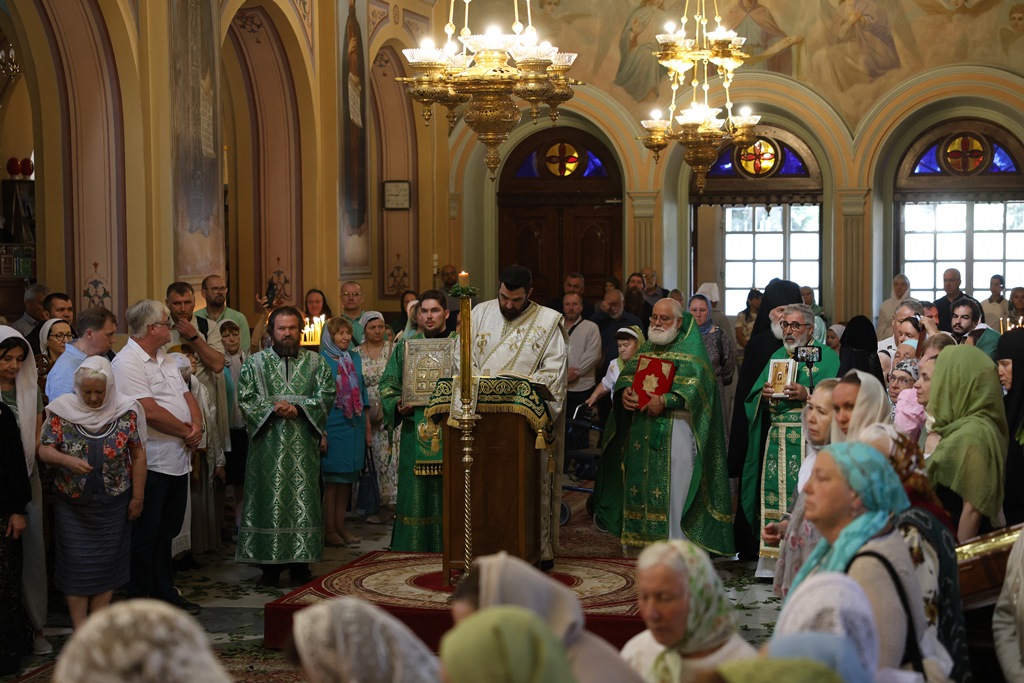
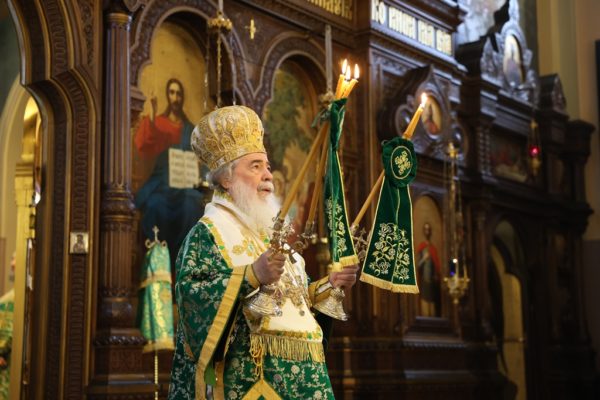
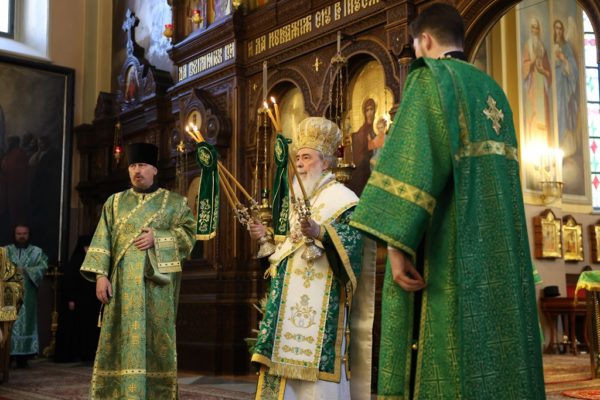
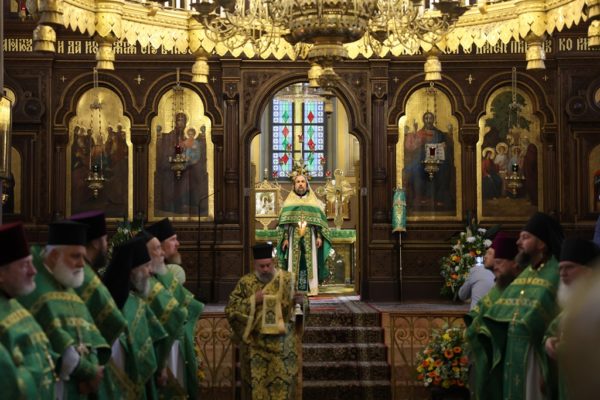
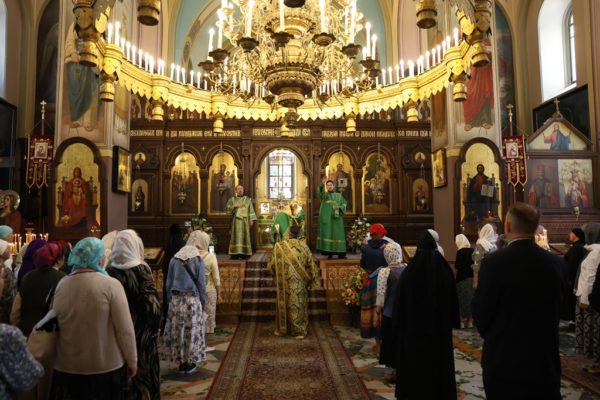
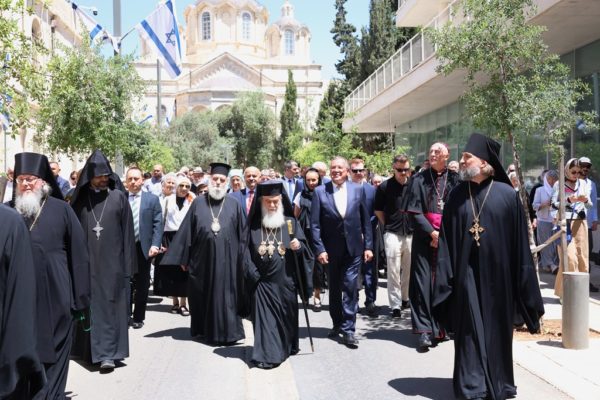
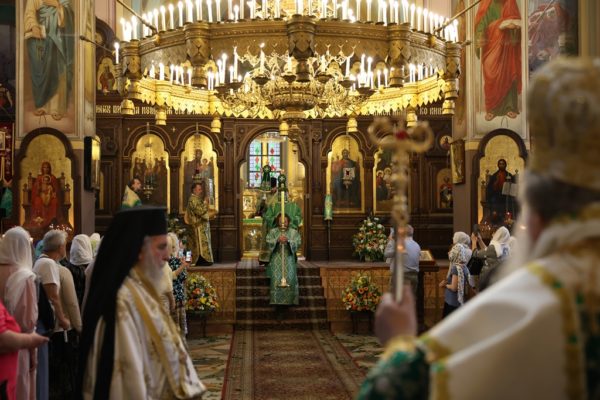
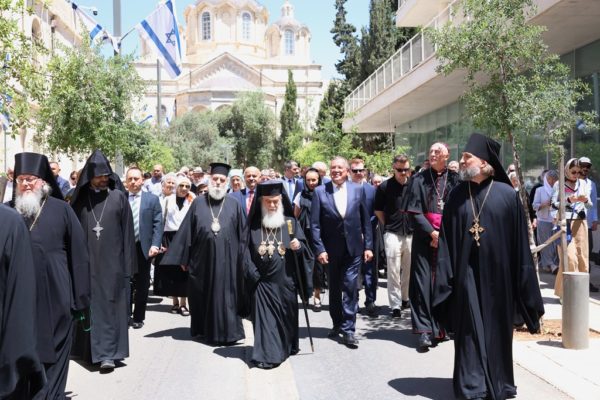
On Monday, 19 May / 1 June 2026, the Feast of the Descent of the Holy Spirit was celebrated at the Russian Church of the Holy Trinity of the Moscow Patriarchate, situated in West Jerusalem, where the Russian Ecclesiastical Mission (Missia) is based.
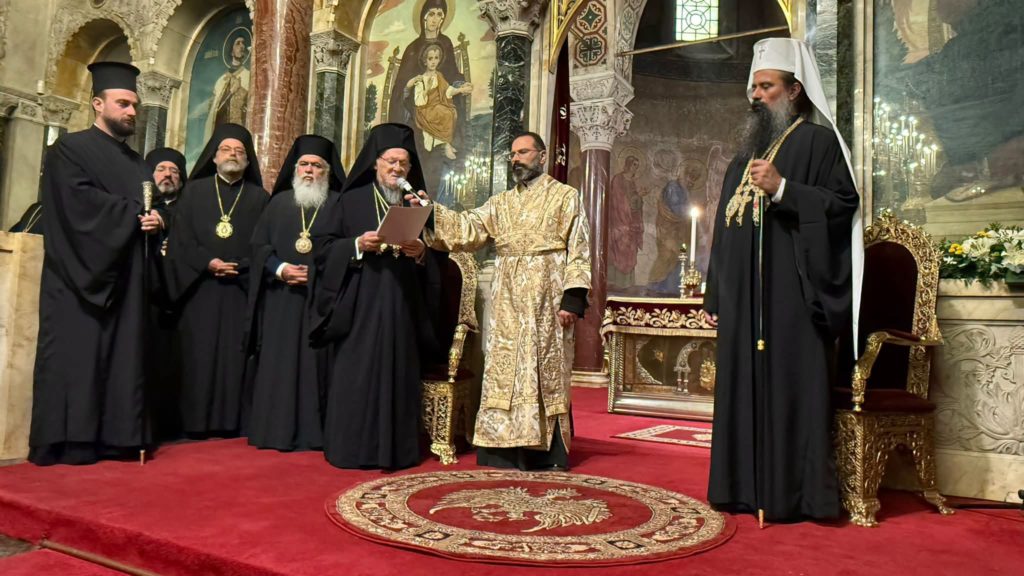
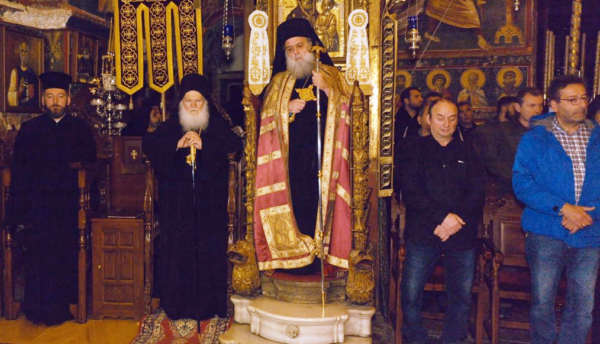
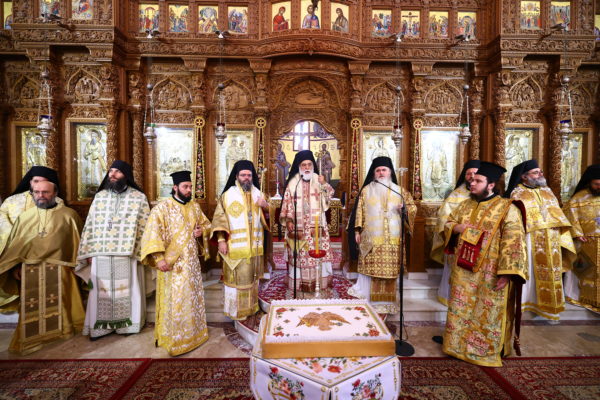
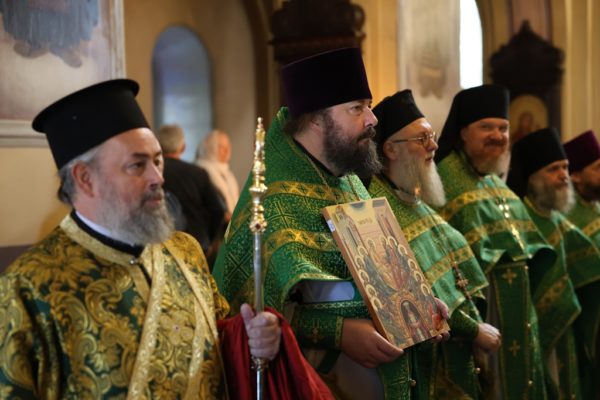
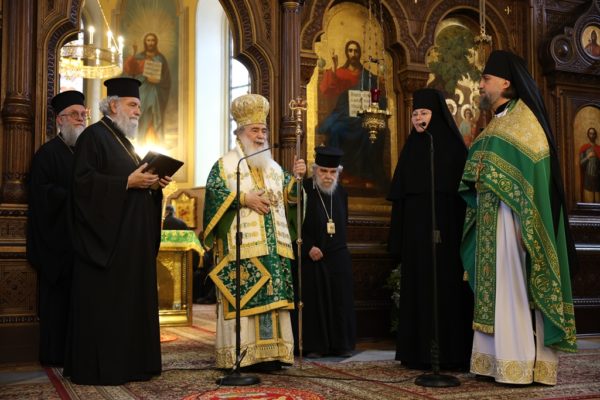
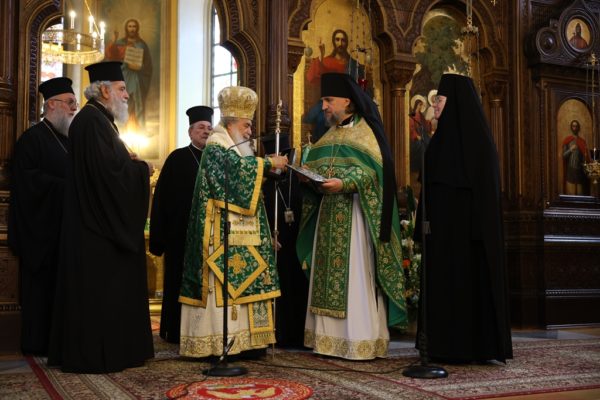
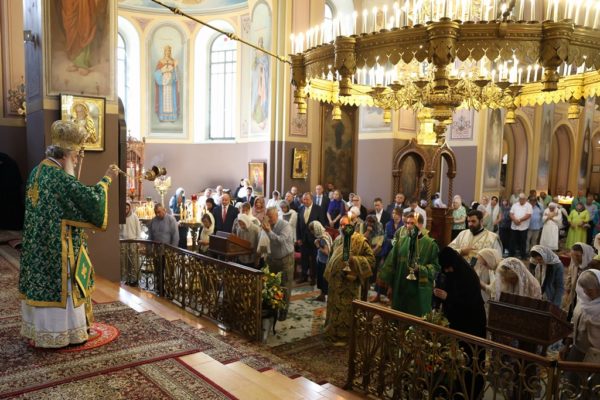
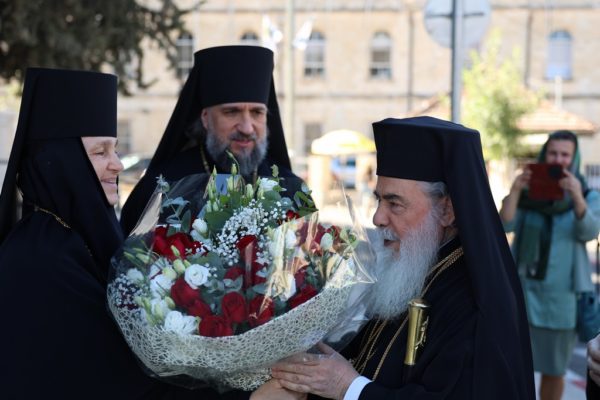
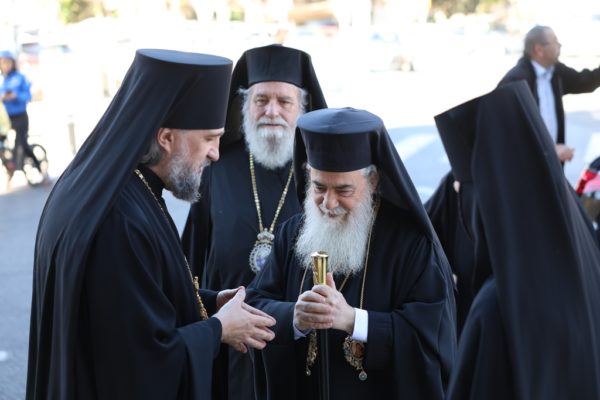
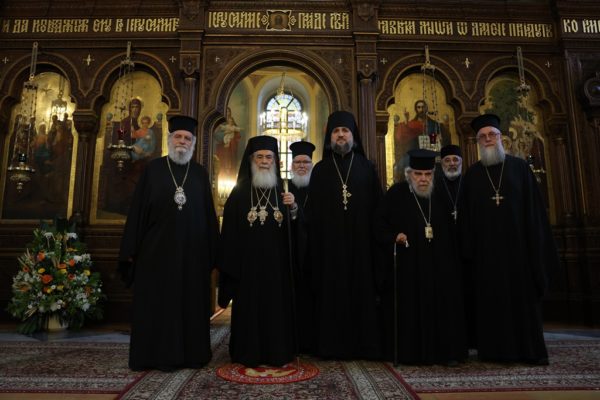
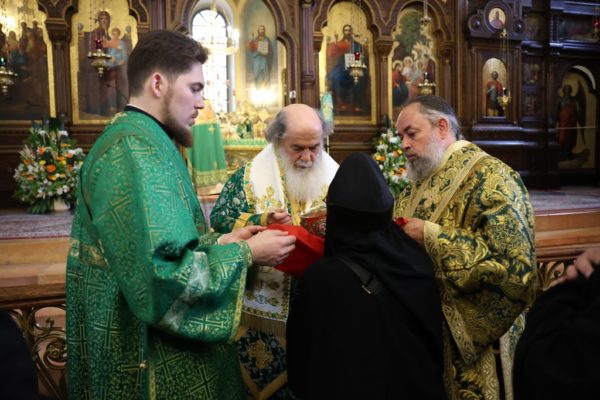
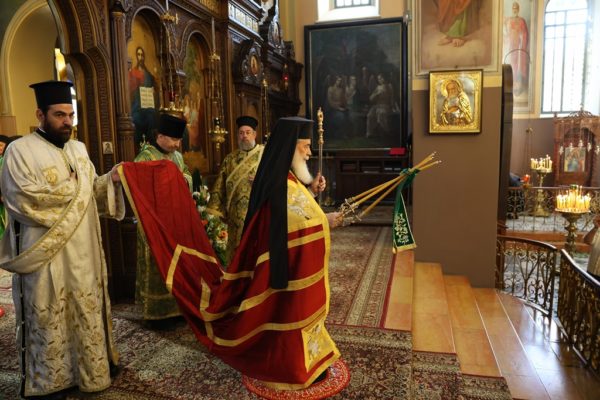
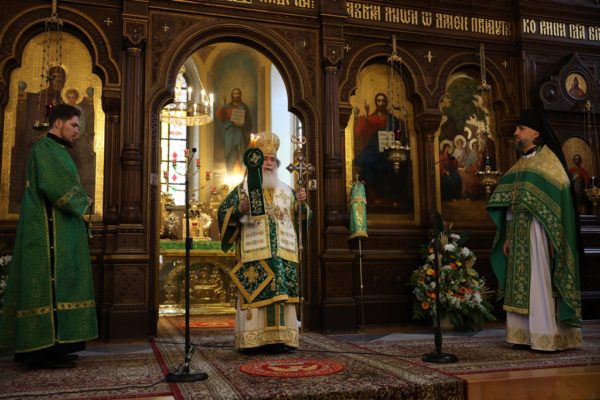
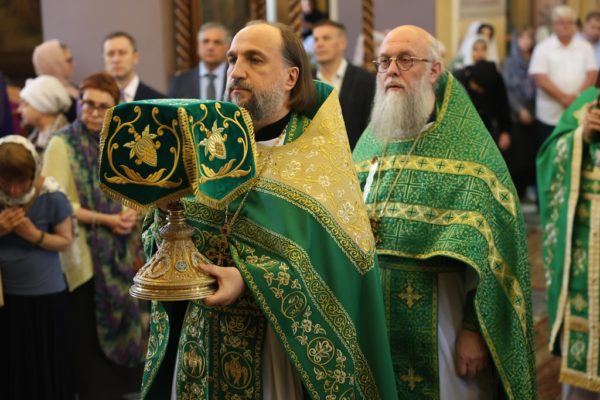
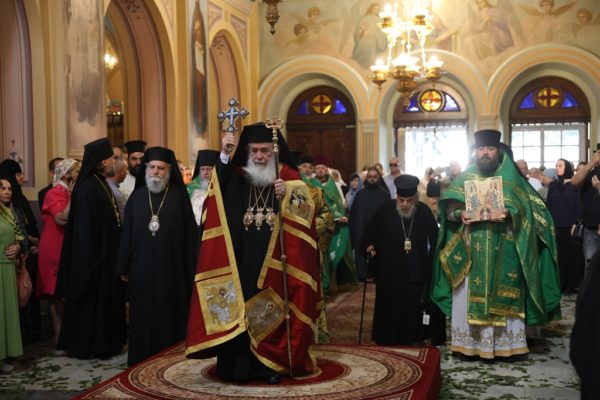
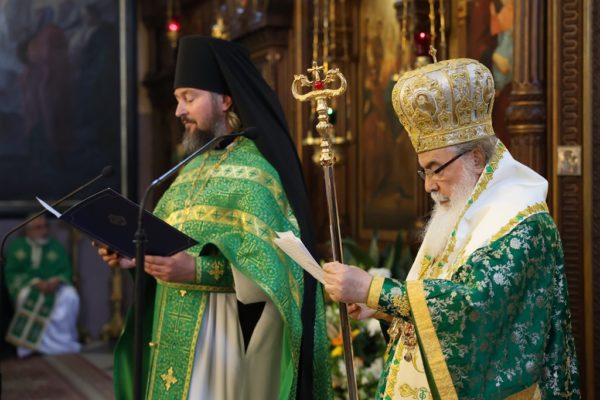
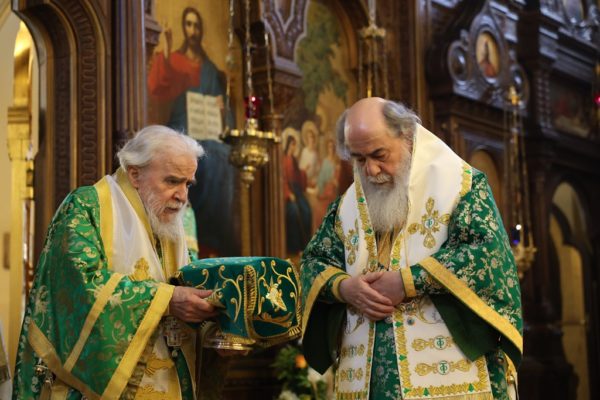
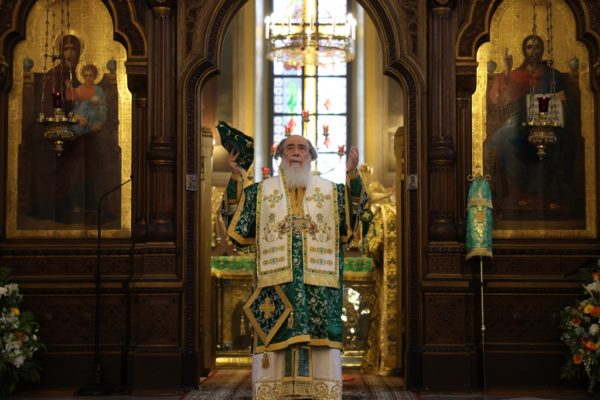
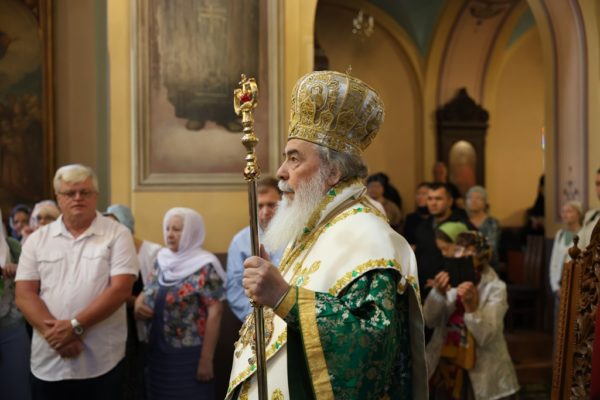
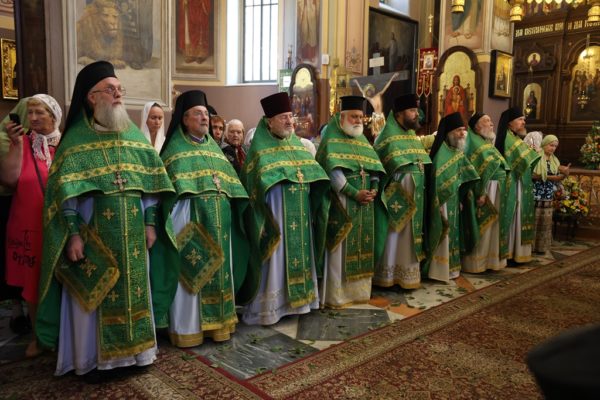
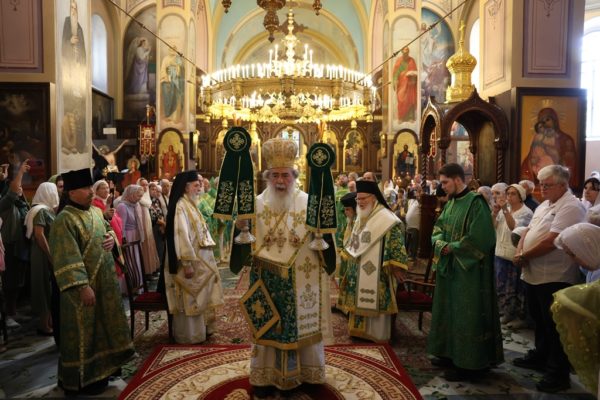
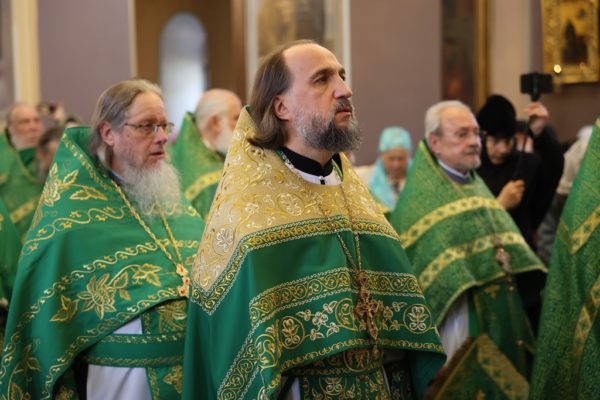
His Beatitude, our Father and Patriarch of Jerusalem, Theophilos III, presided over the festal Divine Liturgy for the Feast of the Monday of the Holy Spirit at the invitation of the Mission. Concelebrating with Him were their Eminences: Metropolitan Kyriakos of Nazareth, Metropolitan Hesychios of Capitolias, Archbishop Aristarchos of Constantina and Elder Chief Secretary; Holy Sepulchre Hieromonks, first in rank among them the Elder Kamarasis, Archimandrite Nektarios; the Head of the Mission, Archimandrite Vassian; Archimandrite Roman of the Russian Orthodox Church Outside Russia (ROCOR); Arabic-speaking, Russian-speaking, and Romanian-speaking clergy; Archdeacon Mark, Hierodeacon Eulogios, and deacons of the Moscow Patriarchate. The hymns were chanted by a choir of Orthodox nuns.
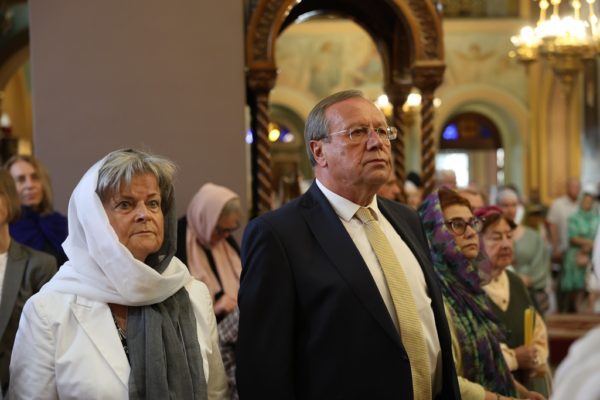
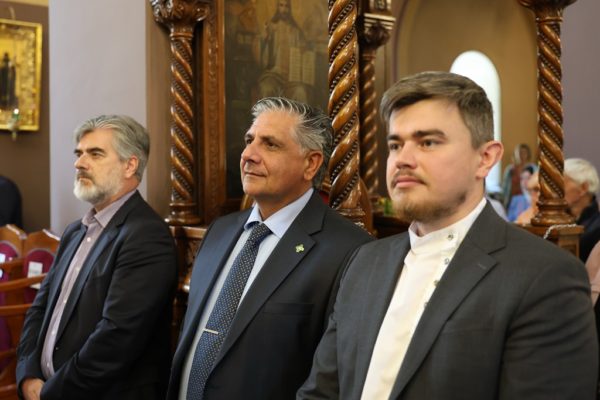
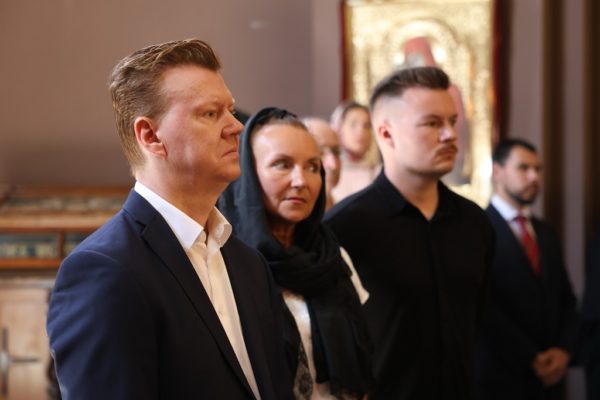
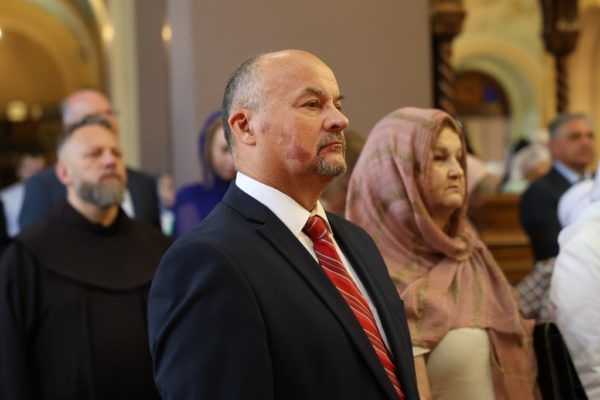
Also present were the Ambassador of Russia, Mr Anatoly Viktorov, together with a congregation of monks, nuns, many Russian-speaking Orthodox faithful residing in Jerusalem, and a small number of pilgrims.
Addressing the congregation, His Beatitude delivered the following sermon in Greek and Russian:
“God is a Spirit: and they that worship him must worship him in spirit and in truth” (John 4:24).
Reverend Archimandrite Vassian, representative in Jerusalem of His Holiness Patriarch Kyrill of Moscow,
Pious Christians and pilgrims,
The Holy Church of Christ has gathered us all together in this sacred and magnificent Church of the Holy Trinity to celebrate the afterfeast of Pentecost, namely the All-Holy, Life-Giving, and Almighty Spirit Himself, the One God of the Trinity, equal in honour, consubstantial, and equally glorified with the Father and the Son.
Today’s feast is an extension of the Feast of Pentecost, on which the Comforter, the Holy Spirit, substantially descended upon the holy Apostles in the form of tongues of fire, resting upon each one of them in the upper room where they were abiding (cf. Acts 2:3). This coming of the Holy Spirit is none other than the promise of God the Father, as the Apostle Luke records: “And, being assembled together with them, commanded them that they should not depart from Jerusalem, but wait for the promise of the Father, which, saith he, ye have heard of me. For John truly baptised with water; but ye shall be baptised with the Holy Ghost” (Acts 1:4–5).
It is noteworthy that Jesus calls the Holy Spirit “the promise of the Father”, because He was to be sent by God the Father, as had been foretold by the prophets, especially Joel, who says: “And it shall come to pass afterward, that I will pour out my spirit upon all flesh” (Joel 2:28). Likewise, the Lord Himself assured His Apostles before His Passion: “It is expedient for you that I go away: for if I go not away, the Comforter will not come unto you” (John 16:7). And again: “Howbeit when he, the Spirit of truth, is come, he will guide you into all truth” (John 16:13). And again: “And I will pray the Father, and he shall give you another Comforter” (John 14:16), the Spirit of truth, “which proceedeth from the Father” (John 15:26). And again: “I will not leave you comfortless: I will come to you” (John 14:18).
Interpreting these words of the Lord, Saint Cyril of Alexandria says that the Only-Begotten, showing that the Spirit is not foreign to His own divine nature, speaks of the Comforter being sent from the Father to the saints, yet He also promises that He Himself will come and fulfil the Father’s purpose, lest they remain like orphans deprived of their protector. Therefore, the Father has given the Spirit of Christ as an invincible weapon and unfailing security for our souls, accomplishing within us His grace and His presence.
It is precisely this grace and presence that Christ fulfils within His Body, that is, within the Church, “which he hath purchased with his own blood” (Acts 20:28), and He “gave himself for us, that he might redeem us from all iniquity, and purify unto himself a peculiar people, zealous of good works” (Titus 2:14).
The grace of the Holy Spirit is none other than His sanctification. As Saint Basil the Great teaches: “The Holy Spirit is the source of sanctification. Just as the Father is holy by nature and the Son is holy by nature, so also the Spirit of Truth is holy by nature. For this reason, He has been granted the distinctive and unique title of Holy.” Sanctification is the energy of the Holy Spirit, common to all three Persons of the Holy Trinity.
The union of the faithful with Christ, therefore, results in the spirit of man being filled with the Spirit of the Lord, and the whole person of the believer being directed and possessed by Christ. Saint Basil illustrates this by the example of iron and fire: just as iron placed in the midst of fire remains iron, yet through its intense communion with the fire becomes incandescent and receives within itself the properties of fire, taking on its colour and energy, so also the holy powers, through their participation in that which is holy by nature, acquire sanctification throughout their entire being. The difference between them and the Holy Spirit is that holiness belongs to the Spirit by nature, whereas created beings are sanctified by participation.
Saint Cyril of Alexandria, speaking of the power, sanctification, and operation of the Holy Spirit, writes: “The Father has given the Spirit of Christ as an invincible weapon and secure defence for our souls, accomplishing within us His grace, presence, and power. For it is impossible for the soul of man to achieve any good, to master its passions, or to escape the snares of the devil unless it is fortified by the grace of the Holy Spirit and possesses Christ Himself within.”
Indeed, it is impossible for the soul of a Christian, a child of the Church, to accomplish any good without the presence and illumination of the Holy Spirit. Saint John of Damascus expresses this poetically: “Receive, O radiant children of the Church, the fiery dew of the Spirit, a redeeming purification from sins; for now from Zion hath gone forth the law, the grace of the Spirit appearing in tongues of fire.”
This “fiery dew of the Spirit” is the illuminating energy of the Holy Spirit, which we are called to receive. For, according to Saint Gregory the Theologian, illumination is “the brightness of souls, participation in light, and the destruction of darkness.” Likewise, the hymnographer of the Church proclaims: “Light is the Father, Light is the Word, and Light is the Holy Spirit, who was sent to the Apostles in fiery tongues; and through Him the whole world is enlightened to worship the Holy Trinity.” And again: “When the Most High came down and confounded the tongues, He divided the nations; but when He distributed the tongues of fire, He called all men into unity, and with one accord we glorify the All-Holy Spirit.”
This unity, the unity of all of us as members of the Body of Christ and of His Church, is commended by the divine Paul, who says: “I therefore, the prisoner of the Lord, beseech you that ye walk worthy of the vocation wherewith ye are called, with all lowliness and meekness, with longsuffering, forbearing one another in love; endeavouring to keep the unity of the Spirit in the bond of peace” (Ephesians 4:1–3).
This unity of the Spirit we manifest today in the bond of peace and love, as the sister Orthodox Churches of Jerusalem, Russia, and Romania are united in the mystery of the mystical blessing, namely the Divine Eucharist, wherein we have become communicants and partakers of the precious Body and Blood of Christ through the celebration of the unbloody Sacrifice.
Therefore, together with the hymnographer, let us say: “The Holy Spirit bestoweth all things: He causeth prophecies to flow forth, He perfecteth priests, He taught wisdom to the unlearned, He revealed fishermen as theologians, and He sustaineth the whole institution of the Church. O Comforter, consubstantial and enthroned together with the Father and the Son, glory be to Thee.”
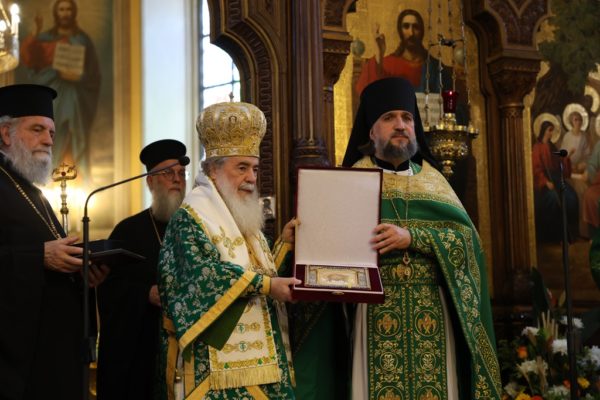
At the conclusion of the Divine Liturgy, gifts were exchanged between Archimandrite Vassian, representing the Moscow Patriarchate, and His Beatitude Patriarch Theophilos of Jerusalem.
Thereafter, Archimandrite Vassian offered refreshments at the Mission’s monastery residence, and at midday a festive monastic meal was served.
From the Chief Secretariat
H αναδημοσίευση του παραπάνω άρθρου ή μέρους του επιτρέπεται μόνο αν αναφέρεται ως πηγή το ORTHODOXIANEWSAGENCY.GR με ενεργό σύνδεσμο στην εν λόγω καταχώρηση.
 Ακολούθησε το ORTHODOXIANEWSAGENCY.gr στο Google News και μάθε πρώτος όλες τις ειδήσεις.